Remote Work Trends have reshaped the landscape of professional life, offering a glimpse into a future where flexibility and autonomy take center stage. Over the past decade, this evolution has been propelled not only by technological advancements but also by global events, particularly the pandemic, which has significantly altered perceptions and acceptance of remote work.
As we navigate through this transformative period, various tools and strategies are emerging to facilitate collaboration, enhance employee well-being, and maintain productivity among remote teams. This discussion delves into the substantial changes, emerging trends, and the implications of remote work on organizational culture, compliance, and workforce demographics.




The Evolution of Remote Work Trends in the Past Decade
The past decade has witnessed a remarkable transformation in the landscape of work, primarily driven by technological innovations and evolving societal norms. From the gradual introduction of flexible work arrangements to the seismic shift prompted by global events, remote work has transitioned from a niche concept to a mainstream practice embraced by organizations worldwide. This evolution highlights how businesses can adapt to changing circumstances while prioritizing employee well-being and productivity.Technological advancements have played a pivotal role in facilitating this shift, enabling seamless communication and collaboration across distances.
High-speed internet access, cloud computing, and an array of collaboration tools like Slack, Zoom, and Microsoft Teams have transformed how teams operate. Moreover, advancements in cybersecurity have addressed concerns regarding data protection, making remote work a viable option for many sectors previously hesitant to embrace it.
Key Milestones in Remote Work
Several key milestones have defined the evolution of remote work over the past ten years. Each of these moments has significantly influenced how organizations perceive and implement remote work policies.
- 2013: The Rise of Telecommuting – Companies like Yahoo! and IBM began to re-evaluate their remote work policies, with varying degrees of acceptance and pushback. This marked a notable shift in how businesses viewed employee flexibility.
- 2015: Advancements in Collaboration Tools – Platforms such as Trello and Asana gained popularity, enabling teams to manage projects more effectively from remote locations, fostering a culture of collaboration despite physical distance.
- 2019: Remote Work Becomes a Competitive Advantage – Organizations began using remote work benefits as a key differentiator in talent acquisition, recognizing that flexibility in work arrangements attracted top talent.
- 2020: The Global Pandemic – The COVID-19 pandemic forced companies worldwide to adopt remote work almost overnight, leading to an unprecedented acceptance of this work model. It proved that many jobs could be effectively performed outside a traditional office setting.
- 2021: Permanent Remote Work Models – Businesses began to formalize remote work policies, with many opting for permanent hybrid models that blended in-office and remote work, reflecting a long-term commitment to flexible work arrangements.
“The pandemic showed that remote work is not just a temporary solution; it can be a strategic advantage in attracting and retaining talent.”
The financial sector, for instance, quickly adapted to remote work by implementing secure virtual platforms for trading and client interactions. This adaptability not only maintained productivity levels but also set a precedent for future operational flexibility. The evolution of remote work trends over the past decade illustrates a significant cultural shift towards acceptance of flexible work environments, demonstrating resilience and innovation amid challenges.
The Role of Technology in Shaping Remote Work Environments
The landscape of remote work has been profoundly transformed by technology, allowing teams to collaborate effectively regardless of their physical locations. The integration of various tools and platforms has not only enhanced productivity but has also fostered a culture of connectivity and innovation. As businesses navigate this shift, understanding the tools that facilitate remote collaboration, the importance of cybersecurity, and the efficiency brought by cloud computing becomes essential.
Collaboration Tools Enhancing Remote Work
A variety of tools are essential for facilitating teamwork in a remote setting. These platforms enable communication, project management, and file sharing, creating a seamless workflow for distributed teams.
- Video Conferencing: Tools like Zoom and Microsoft Teams allow for face-to-face communication, which is crucial for maintaining team relationships and conducting virtual meetings effectively.
- Project Management Software: Platforms like Asana and Trello help teams organize tasks, set deadlines, and track progress, ensuring everyone remains aligned on project goals.
- File Sharing Services: Google Drive and Dropbox provide secure ways for teams to store and share documents, making collaboration on files easier and more efficient.
- Instant Messaging: Slack and Microsoft Teams facilitate quick communication, enabling team members to ask questions and share updates in real time.
Importance of Cybersecurity in Remote Work
As remote work expands, so do the risks associated with cybersecurity. Businesses must implement robust measures to protect sensitive data and maintain the integrity of their operations.
“The rise of remote work has increased the vulnerability of companies to cyber threats, making cybersecurity a top priority.”
To safeguard against these threats, organizations should adopt several best practices:
- Use of VPNs: A Virtual Private Network helps encrypt the internet connection, providing a secure channel for remote workers accessing company resources.
- Multi-Factor Authentication (MFA): Adding an extra layer of security through MFA significantly reduces the chances of unauthorized access to accounts.
- Regular Training: Conducting cybersecurity training for employees helps them recognize phishing attempts and other threats, fostering a culture of security awareness.
Impact of Cloud Computing on Remote Work Efficiency
Cloud computing has revolutionized how businesses operate, particularly in remote work scenarios. It offers virtually unlimited storage, scalable resources, and enhanced collaboration capabilities.
“Cloud computing enables teams to access files and applications from anywhere, boosting productivity and flexibility.”
Key benefits of cloud computing in remote environments include:
- Accessibility: Cloud services allow employees to access work files from any device and location, making it easier to work remotely without being tied to a specific office.
- Cost-Effectiveness: With cloud solutions, companies can reduce the costs associated with on-premises infrastructure and maintenance, shifting to a pay-as-you-go model.
- Automatic Updates: Cloud providers often manage software updates automatically, ensuring that teams always have access to the latest features and security updates without manual intervention.
Remote Work Trends and Employee Well-Being
The shift towards remote work has redefined the workplace landscape, bringing about significant changes in employee mental health and work-life balance. With more employees working from home, understanding the implications on well-being has become crucial for organizations aiming to maintain productivity and morale.Remote work can lead to both positive and negative effects on mental health. On one hand, the flexibility to create one’s own schedule and the elimination of commuting can enhance work-life balance, reduce stress, and promote autonomy.
On the other hand, the lack of social interaction, defined work hours, and a clear separation between home and work life can contribute to feelings of isolation and burnout. It’s essential for companies to recognize these challenges and implement strategies that foster a supportive environment for their remote workforce.
Impact on Employee Mental Health and Work-Life Balance
The implications of remote work on mental health and work-life balance are multifaceted. Employees report varying experiences, often influenced by personal circumstances and company culture. Here are a few key points illustrating these aspects:
- Increased Flexibility: Many employees appreciate the ability to work from anywhere, allowing for tailored work schedules that accommodate family responsibilities and personal needs.
- Isolation Risks: Remote work can lead to feelings of loneliness, especially for those who thrive in social settings. Regular team check-ins and virtual social events can help mitigate these risks.
- Blurred Boundaries: The lines between work and personal life often become blurred, leading to overworking and difficulty disconnecting from job responsibilities.
- Access to Resources: Companies providing mental health resources, such as counseling services and wellness programs, can significantly enhance employee support in a remote setting.
Strategies for Promoting Employee Well-Being
Organizations are increasingly adopting various strategies to promote employee well-being in a remote work environment. The following initiatives are commonly implemented:
- Regular Check-Ins: Scheduling consistent one-on-one meetings between employees and managers fosters open communication, allowing employees to express concerns and receive support.
- Flexible Work Hours: Encouraging employees to set their own hours can lead to improved satisfaction as individuals work during their peak productivity times.
- Wellness Programs: Many companies offer wellness incentives, such as gym memberships or mindfulness apps, to encourage healthy habits among remote workers.
- Virtual Team Building: Engaging in virtual team-building activities helps to strengthen relationships and build camaraderie among remote staff.
Benefits of Remote Work vs. Traditional Office Settings
When comparing the benefits of remote work to traditional office settings, several factors contribute to overall employee satisfaction:
- Comfortable Environment: Employees often find that working from home allows for a more comfortable and personalized workspace, enhancing their overall productivity.
- Time Savings: Eliminating the commute saves employees time that can be redirected towards personal interests or additional work tasks, contributing to a better work-life balance.
- Cost Savings: Both employees and employers can benefit financially, as employees save on commuting costs while companies reduce overhead expenses associated with office space.
- Higher Job Satisfaction: Studies indicate that employees working remotely often report higher job satisfaction due to increased autonomy and flexibility.
“Remote work offers a unique opportunity for individuals to redefine their work-life balance while still achieving professional success.”
The Future of Remote Work
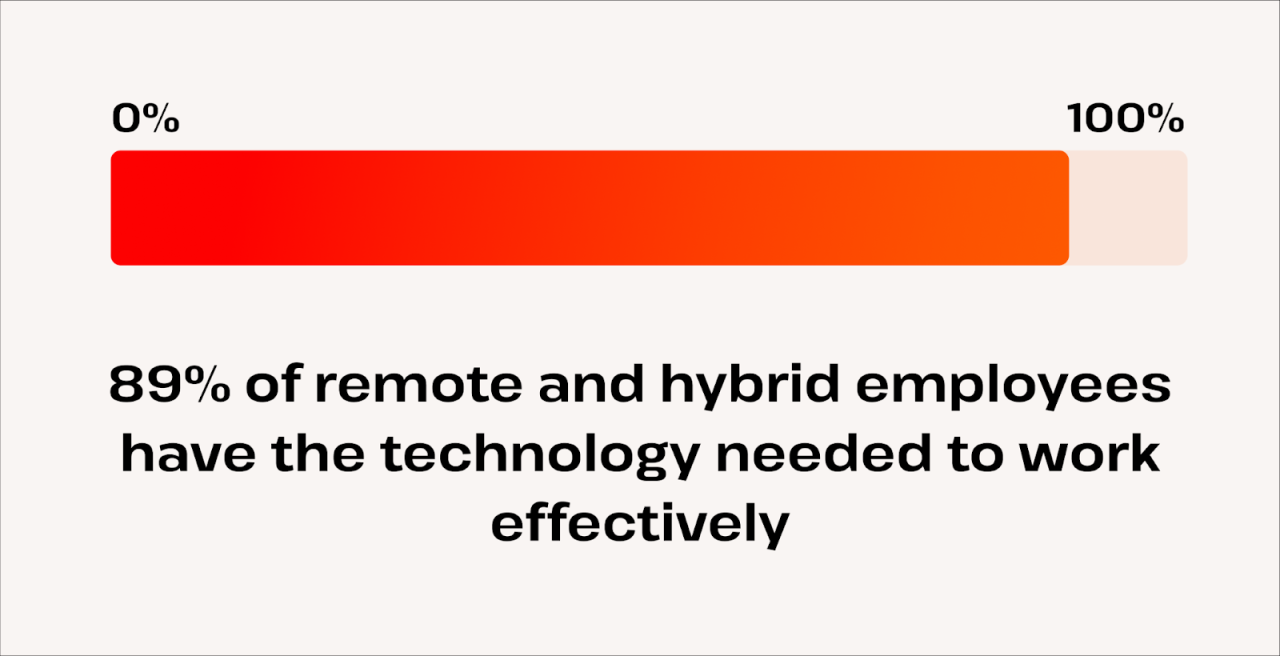
As we look ahead, the future of remote work is poised for significant transformation. Emerging trends are likely to reshape how organizations operate, redefine workplace structures, and influence talent management strategies. The pandemic has accelerated the adoption of remote work, pushing both businesses and employees to adapt to a new reality. Understanding these upcoming trends will be essential for organizations aiming to remain competitive in this evolving landscape.
Potential Trends in Remote Work
Several trends are expected to shape the remote work environment in the coming years. The integration of advanced technologies and changing employee expectations will drive these shifts. Key potential trends include:
- Increased Use of Artificial Intelligence: AI tools will enhance productivity by automating routine tasks and improving workflow efficiency. For instance, platforms like Slack and Microsoft Teams are already incorporating AI for smart scheduling and task prioritization.
- Focus on Employee Well-being: Organizations will prioritize mental health resources and flexible scheduling to combat burnout. Companies such as Buffer and GitLab have already implemented unlimited vacation policies to foster a healthier work-life balance.
- Development of Virtual Reality (VR) Workspaces: VR technology will create immersive work environments that simulate in-office experiences, enabling collaboration without geographical constraints. This trend is anticipated to make remote meetings more engaging and interactive.
Hybrid Work Models Redefining Workplace Structures
Hybrid work models are becoming increasingly popular, combining remote and in-office work to create flexible arrangements. This shift is redefining traditional workplace structures by fostering a more adaptable environment. The importance of hybrid models lies in their ability to offer both autonomy for employees and collaborative space when needed. Companies are likely to adopt different strategies, such as:
- Flexible Workspaces: Offices will transform into collaborative hubs, where employees can meet for brainstorming sessions and team-building activities while working from home on regular tasks.
- Customized Work Arrangements: Employees will have the option to choose their work setting based on personal preference, promoting a sense of ownership and job satisfaction.
- Investment in Technology: Organizations will need to invest in robust communication tools and secure networks to support seamless collaboration between remote and in-office teams.
Implications for Talent Acquisition and Retention Strategies
The rise of remote work is reshaping talent acquisition and retention strategies. Organizations are now able to tap into a global talent pool, allowing them to find the best candidates regardless of location. This shift comes with implications that can enhance workforce diversity and inclusion.To effectively navigate these changes, companies may consider:
- Broadened Recruitment Strategies: Job postings will no longer be location-restricted, enabling organizations to attract and hire diverse talent from various geographical areas.
- Enhanced Onboarding Processes: Implementing comprehensive virtual onboarding programs will be crucial to ensure new hires feel integrated and valued, regardless of their physical location.
- Competitive Compensation Packages: To attract top talent, organizations will need to offer competitive salaries and benefits that reflect the demands of remote work, including stipends for home office setups and mental health resources.
“The future of work is not about where you work, but how you work.”
Challenges of Remote Work and Strategies to Overcome Them

The shift to remote work has introduced a variety of challenges that both employees and employers must navigate. While the flexibility and comfort of working from home can be appealing, they come with their own unique set of obstacles. This discussion will explore some common difficulties faced by remote workers, as well as effective strategies to address these issues, focusing on communication and productivity.
Common Obstacles for Remote Workers and Employers
Remote work can lead to feelings of isolation, difficulties in communication, and challenges in maintaining productivity. One significant hurdle is the lack of face-to-face interaction, which can hinder relationship-building and collaboration. Furthermore, the blurring of boundaries between personal and professional life can lead to burnout and decreased motivation.Employers may also face challenges in monitoring performance and ensuring accountability among remote teams.
Trust can become an issue, especially when team members are not physically present. To tackle these challenges, it is essential to implement structured communication practices and foster a strong team culture. Here are some common obstacles and their corresponding strategies:
- Isolation: Encourage regular check-ins and virtual social events to strengthen team connections.
- Miscommunication: Utilize clear communication tools and establish guidelines for messaging to reduce misunderstandings.
- Lack of Accountability: Set measurable goals and use project management tools to track progress and ensure transparency.
- Burnout: Promote a healthy work-life balance by encouraging breaks and flexible working hours.
Enhancing Communication Within Remote Teams
Effective communication is crucial for remote work success. It not only ensures clarity in tasks but also fosters team cohesion. The absence of physical presence can lead to misunderstandings and feelings of disconnect. Therefore, it’s vital to adopt tools and practices that enhance communication.Implementing a mix of synchronous (real-time) and asynchronous (time-shifted) communication methods can cater to different working styles and time zones.
Here are some strategies to enhance communication:
- Regular Video Meetings: Schedule weekly or bi-weekly video calls to maintain personal connections and discuss project updates.
- Use Collaborative Tools: Platforms like Slack or Microsoft Teams facilitate instant messaging and collaboration, enabling teams to share ideas quickly.
- Establish Communication Norms: Define expectations around response times and preferred communication channels to streamline interactions.
- Feedback Loops: Create opportunities for team members to provide feedback to one another, fostering a culture of open communication.
Maintaining Productivity While Working Remotely
Maintaining productivity in a remote environment can be challenging due to potential distractions and the lack of a structured office environment. However, there are numerous practical methods to enhance focus and efficiency.Creating a designated workspace free from distractions can significantly improve concentration. Additionally, implementing time management techniques can help structure the workday effectively. Below are some strategies to maintain productivity:
- Set a Routine: Establish a consistent daily schedule to mimic the structure of an office environment.
- Use Productivity Techniques: Techniques like the Pomodoro Technique, which involves working in short bursts followed by breaks, can boost focus.
- Prioritize Tasks: Utilize tools like to-do lists or digital task managers to ensure important tasks are completed first.
- Limit Distractions: Identify and minimize distractions, such as social media and household chores, during work hours.
The Impact of Remote Work on Organizational Culture
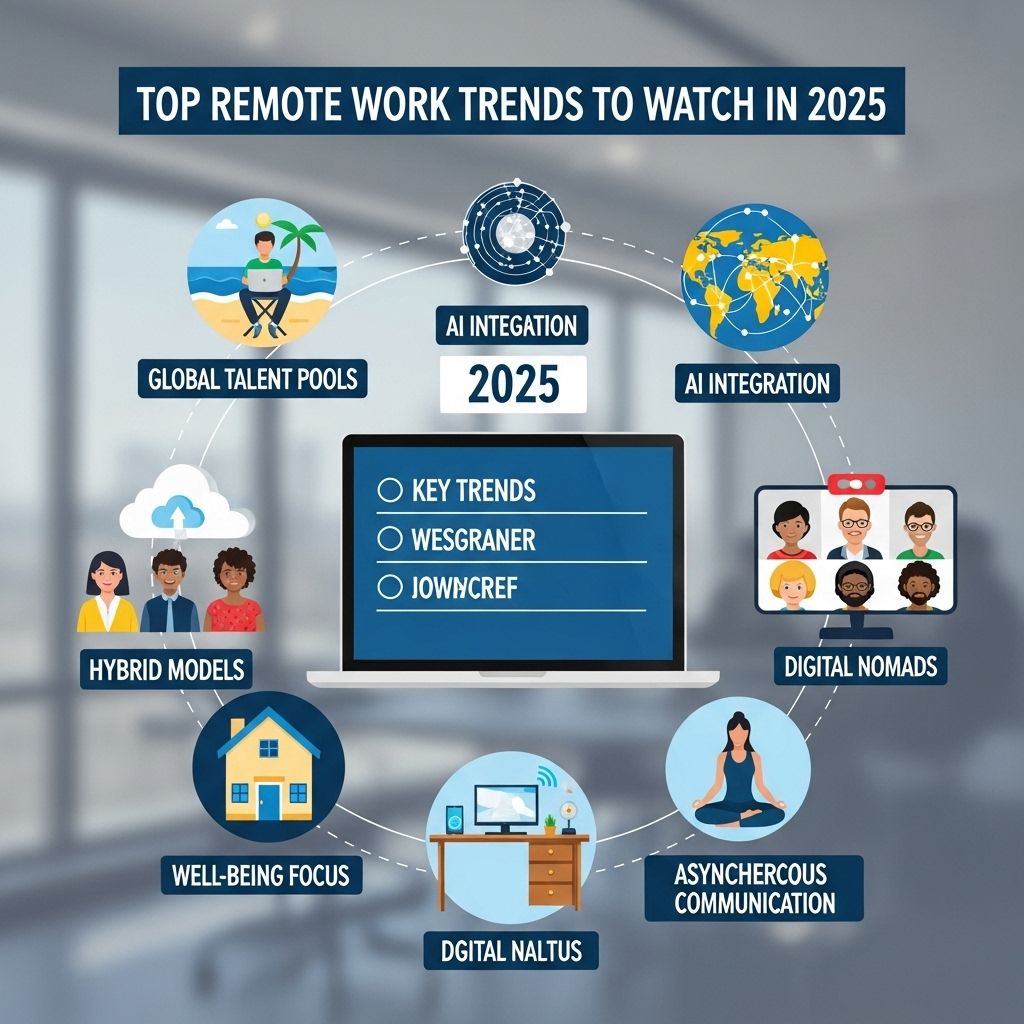
Remote work has significantly transformed the landscape of organizational culture and team dynamics. As companies adopt flexible work arrangements, the traditional frameworks of workplace interactions are shifting. This evolution necessitates a deep understanding of how remote work influences the ways in which teams collaborate, communicate, and connect with the company’s overall mission and values.The shift to remote work introduces both opportunities and challenges for maintaining a strong organizational culture.
Leaders must actively foster engagement among remote employees to cultivate a sense of belonging and shared purpose. Team dynamics can be impacted by the physical distance, leading to feelings of isolation among employees. Therefore, it’s essential to implement strategies that create an inclusive environment, ensuring that everyone feels valued and connected.
Maintaining Engagement in a Remote Workforce
Engagement is a critical factor in sustaining a vibrant organizational culture when teams are dispersed. To achieve this, organizations should prioritize communication and relationship-building initiatives. Here are some effective practices to enhance engagement among remote teams:
- Regular Check-Ins: Scheduling consistent one-on-one meetings and team check-ins fosters personal connections and keeps everyone aligned with company goals.
- Celebrating Achievements: Acknowledging individual and team accomplishments strengthens morale and reinforces a sense of community.
- Virtual Team-Building Activities: Incorporating fun online games or challenges can build rapport among team members and alleviate feelings of isolation.
- Encouraging Open Communication: Creating channels for feedback and discussions ensures that employees feel heard and valued, promoting transparency.
Embedding these practices in daily operations can help reinforce a cohesive culture, even when teams are working from different locations.
Promoting a Cohesive Culture Despite Physical Distance
Developing a unified culture in a remote setting requires intentional strategies that bridge the physical gap. Organizations can implement several practices to maintain cohesion among remote teams:
- Shared Values and Vision: Clearly communicating the company’s mission and values is vital. When employees understand the overall purpose, they are more likely to feel connected to the organization.
- Collaborative Tools: Utilizing technology platforms that facilitate collaboration, such as project management tools and communication apps, helps streamline workflows and keeps everyone engaged.
- Inclusive Decision-Making: Involving remote employees in decision-making processes fosters a sense of ownership and belonging, making them feel integral to the organization.
- Wellness Initiatives: Supporting employees’ mental and physical health through wellness programs can cultivate a caring environment that values employee well-being.
Implementing these strategies can help organizations maintain a strong culture, even when team members are physically apart. By focusing on engagement and cohesion, companies can create a thriving remote work environment that upholds their core values and nurtures productivity.
Legal and Compliance Considerations for Remote Work
As businesses increasingly adopt remote work models, it becomes crucial to navigate the complex legal and compliance landscape that accompanies this shift. Companies must address a variety of legal challenges related to employee rights, data protection, and jurisdictional issues, particularly when managing a distributed workforce. Understanding these aspects not only helps avoid potential legal pitfalls but also enhances the overall effectiveness of remote work arrangements.The legal challenges businesses face with remote employees can be multifaceted.
One primary concern is ensuring that employment contracts comply with local labor laws where the remote employees reside. This includes considerations of minimum wage, overtime pay, and employee classification. Additionally, companies must be vigilant about data protection regulations, such as the General Data Protection Regulation (GDPR) in Europe, which governs how personal data is managed and stored. Non-compliance can result in hefty fines and reputational damage, making it essential for organizations to implement robust data protection measures.
Compliance Issues in Cross-Border Remote Work
When employees work remotely across different countries, compliance with international labor laws and tax regulations becomes increasingly complex. Businesses must be aware of the various legal standards that apply to cross-border employment. Understanding these compliance issues is vital to avoid legal repercussions.Several key compliance areas require attention in cross-border remote work arrangements:
- Tax Obligations: Companies must navigate the tax implications of having employees in different jurisdictions, which may include payroll taxes, income taxes, and the possibility of creating a permanent establishment in a foreign country.
- Labor Laws: Adhering to the local labor laws of the employee’s location is crucial. This includes understanding rights related to termination, benefits, working hours, and workplace safety.
- Social Security Contributions: Different countries have varying requirements for social security contributions, which can affect both employers and employees. Missteps can lead to financial liabilities.
It is essential to remain informed about the evolving legal landscape and to consult legal experts specializing in international employment law to mitigate risks associated with cross-border remote work.
Best Practices for Managing Remote Work Contracts
Establishing clear and comprehensive remote work contracts is a fundamental practice for managing a remote workforce. These agreements should Artikel the rights and obligations of both parties while addressing specific legal and compliance considerations.In drafting remote work contracts, the following best practices should be considered:
- Clarification of Roles: Clearly define the job responsibilities, performance expectations, and reporting structure to avoid ambiguity.
- Data Security Policies: Include clauses that specify the security measures employees must adhere to, especially concerning sensitive company information.
- Termination and Dispute Resolution: Artikel the process for termination and mechanisms for resolving disputes to provide clarity and legal protection for both the employer and employee.
- Compliance with Local Laws: Ensure that contracts comply with the laws applicable in the employee’s jurisdiction, including labor laws and data protection regulations.
- Flexibility Clauses: Incorporate provisions that allow for adjustments in response to changing legal requirements or business needs.
Implementing these best practices will help companies minimize legal risks and ensure smoother operations in a remote work environment.
“Effective remote work management goes beyond technology; it requires a solid foundation in legal compliance and contractual clarity.”
Demographic Insights into Remote Work Preferences
As remote work continues to redefine the modern workforce, understanding the demographic factors influencing these preferences is essential. Various studies indicate that different groups exhibit distinct inclinations towards remote work, shaped by age, geographical location, and industry. These insights not only reflect the evolving landscape of work but also provide valuable information for businesses looking to adapt their strategies.
Age Groups and Remote Work Preferences
Age plays a pivotal role in determining remote work preferences. Younger generations, particularly Millennials and Gen Z, are more inclined to embrace remote work compared to older generations. A survey conducted by Buffer in 2023 found that approximately 80% of remote workers aged 25-34 preferred remote work, citing flexibility and work-life balance as primary motivators. In contrast, only about 50% of workers aged 55 and above expressed similar preferences, often favoring traditional office environments for social interactions and established routines.
Geographical Influences on Remote Work
Location significantly affects remote work trends. Urban areas, with their high cost of living and fast-paced lifestyles, see a higher demand for remote work options. For instance, in cities like San Francisco and New York, over 60% of employees in tech industries prefer remote work arrangements. Conversely, rural areas show a mixed preference, with some workers valuing remote options to avoid long commutes, while others may lack reliable internet access, limiting their ability to work remotely.
Industry Variations in Remote Work Preferences
Different industries exhibit varying degrees of acceptance and implementation of remote work. The technology sector leads the way, with around 70% of tech employees preferring remote work, as reported by a study from GitLab. In contrast, industries such as healthcare and manufacturing often require on-site presence, resulting in lower remote work preferences, typically around 30%. This divergence is crucial for businesses to consider when developing their workforce strategies.
Comparative Preferences Among Demographics
Understanding the comparative preferences among various demographics can inform business practices and policies. Here are key insights on remote work preferences:
- Education Level: Higher education correlates with a stronger preference for remote work. Approximately 75% of workers with a bachelor’s degree or higher prefer flexible work arrangements.
- Gender Differences: Studies indicate that women are more likely to favor remote work options for better work-life balance, with 65% expressing preference compared to 55% of men.
- Parenting Status: Parents, especially those with young children, often prefer remote work to manage family responsibilities, with about 70% indicating a preference for flexible schedules.
“Demographic insights into remote work preferences are not just statistics; they are critical for shaping the future of work strategies.”
These demographic insights provide a multifaceted view of remote work preferences, highlighting the importance for businesses to tailor their offerings and accommodate the diverse needs of their workforce. By aligning remote work policies with these insights, organizations can enhance employee satisfaction and retention in an increasingly competitive job market.

Hi, I’m Lauren. As a digital enthusiast and storyteller, I love breaking down complex ideas into easy-to-read articles. My goal is to provide readers with fresh perspectives and helpful solutions through every piece I write.



![Top Tips to Achieve Work Life Balance [INFOGRAPHIC] - Learnist.org](https://career.hotel.or.id/wp-content/uploads/2026/04/stephen-covey-quote-image-1024x1024-1-390x220.png)