Personal Branding is not just a buzzword; it’s a crucial strategy that shapes how we navigate our careers and build our professional identities. In today’s fast-paced digital landscape, the way you present yourself can significantly impact your opportunities for advancement and networking. As individuals strive to stand out in competitive fields, understanding the nuances of personal branding becomes essential for achieving lasting success.
This exploration into personal branding will reveal how a well-crafted identity can open doors and foster connections, ultimately leading to greater career achievements. Through the lens of various professionals who have leveraged their personal brands for substantial success, we will delve into the strategies that make personal branding an indispensable asset in the modern workforce.





Personal Branding as an Essential Strategy for Success
In today’s competitive professional landscape, personal branding has emerged as a vital strategy that individuals must embrace to differentiate themselves. The way one presents their skills, experiences, and personality can significantly influence their career trajectory. This significance is amplified in an era dominated by social media and digital interactions, where first impressions often happen online rather than in-person. Building a strong personal brand not only fosters trust and credibility but also opens doors to new opportunities.A well-crafted personal brand can enhance one’s reputation and visibility in their field, ultimately influencing career advancement and networking opportunities.
When professionals articulate their unique value propositions effectively, they position themselves as thought leaders and experts. This visibility can lead to increased recognition from peers, industry leaders, and recruiters.
Impact on Career Advancement and Networking Opportunities
Establishing a personal brand has profound implications for career growth. It allows individuals to communicate their professional identity clearly and consistently. This communication can take various forms, such as:
- Online Presence: Platforms like LinkedIn, Twitter, and personal websites serve as essential tools for showcasing expertise, sharing insights, and connecting with like-minded professionals. An optimized LinkedIn profile with endorsements and recommendations greatly enhances visibility and credibility.
- Networking Events: Attending industry conferences and workshops presents opportunities to meet influential figures. A strong personal brand makes it easier to initiate conversations and leave lasting impressions.
- Content Creation: Individuals who create and share original content—such as blog posts, videos, or podcasts—demonstrate their knowledge, engage their audience, and establish authority in their field. This not only attracts followers but also potential collaborators and employers.
- Word of Mouth: A powerful personal brand can lead to referrals and recommendations, as satisfied colleagues and clients are likely to share their positive experiences with others.
Several notable individuals exemplify the power of personal branding in achieving professional success. For instance, Gary Vaynerchuk, known as Gary Vee, transformed his family’s wine business into a multi-million dollar enterprise through his personal brand, which emphasizes authenticity, hustle, and social media engagement. His ability to connect with audiences has made him a sought-after speaker and a social media influencer.Similarly, Michelle Obama has cultivated a distinct personal brand centered around authenticity, empowerment, and public service.
After serving as First Lady of the United States, she leveraged her personal brand to launch initiatives like “Let Girls Learn” and authored a best-selling memoir, which further solidified her influence and reach.In conclusion, personal branding is not just a marketing tool; it is a fundamental aspect of personal and professional development. A strong personal brand can lead to enhanced career prospects, expanded networks, and increased opportunities for collaboration and innovation.
Crafting Your Personal Brand Identity
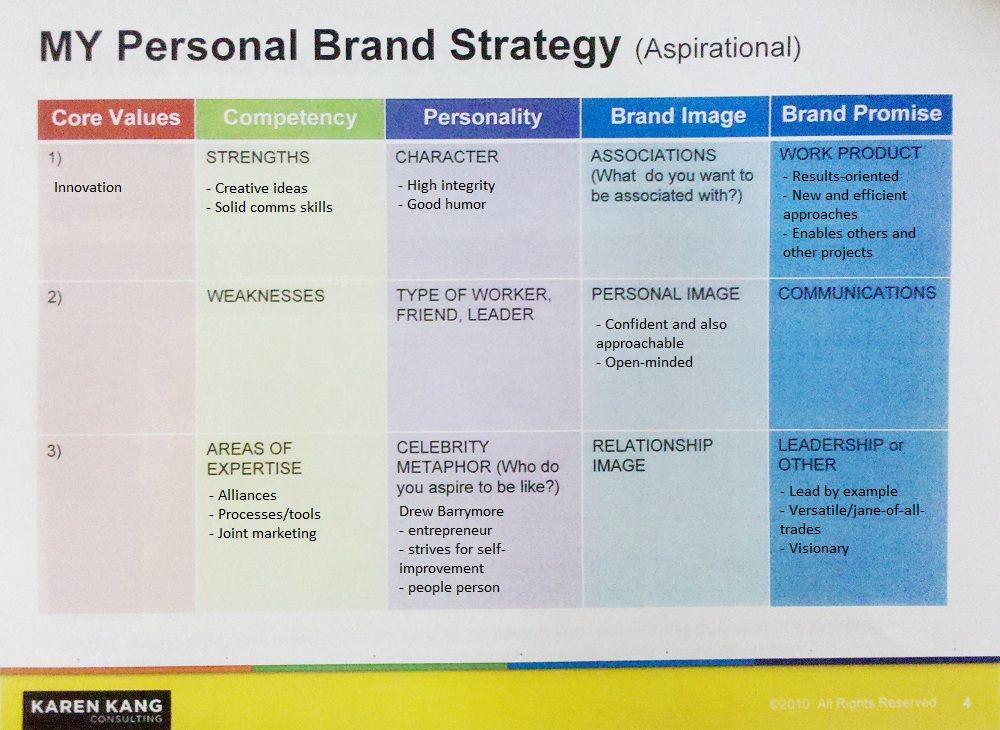
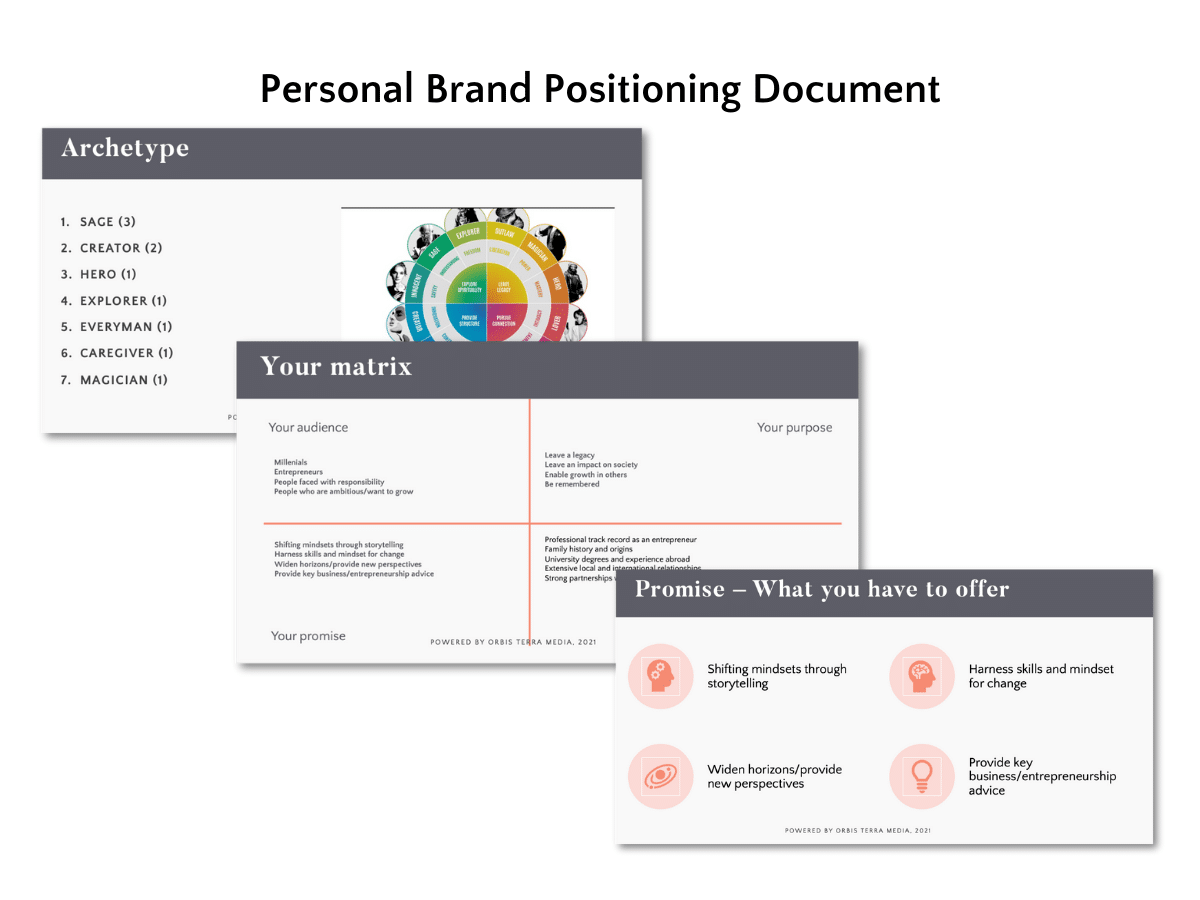
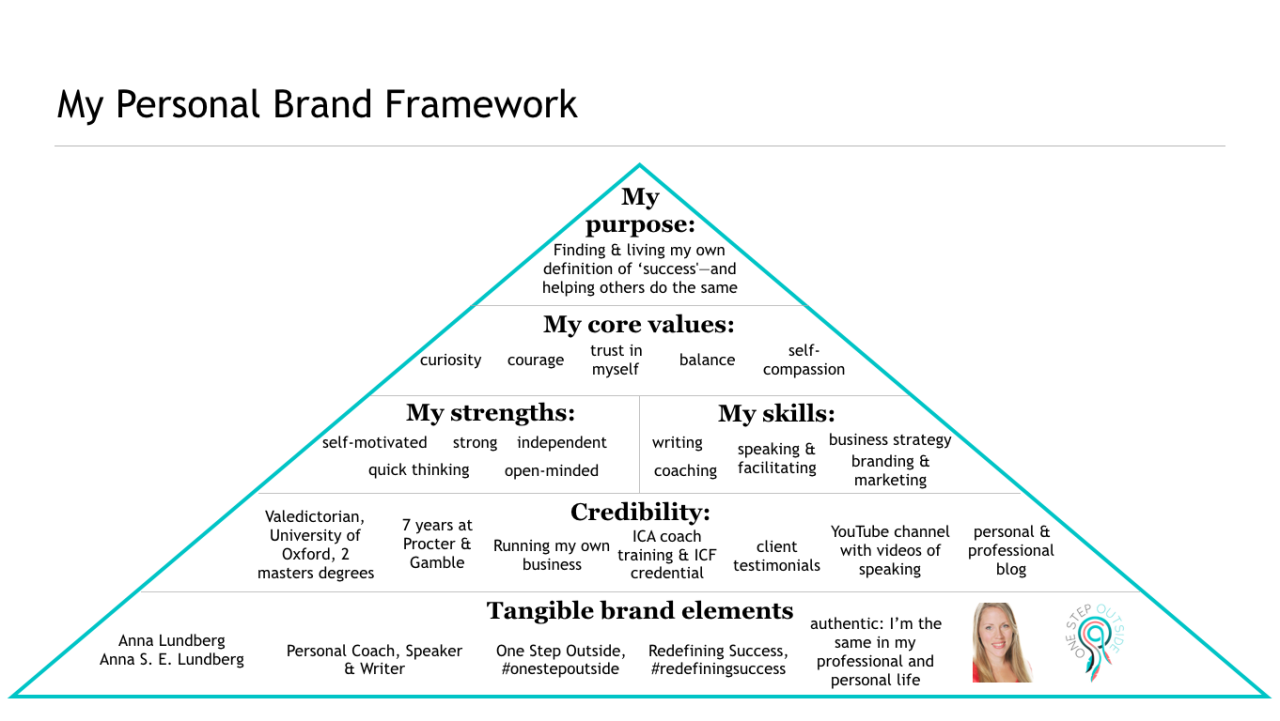
Creating a personal brand identity is essential in today’s digital world, where perception often shapes opportunities. A well-defined personal brand sets you apart, fosters trust, and helps you connect with your target audience. In this section, we’ll explore the key components of a strong personal brand identity, how to define your unique selling proposition, and the role of personal values and passions in shaping a cohesive brand image.
Key Components of a Strong Personal Brand Identity
A robust personal brand identity comprises several critical elements that together create a compelling narrative about who you are and what you represent. These components include:
- Unique Selling Proposition (USP): Your USP distinguishes you from others in your field. It encapsulates what makes you unique and why someone should choose to connect with you over others.
- Visual Identity: This includes your logo, color scheme, and typography that reflect your personality and profession. Consistency in visual elements strengthens recognition and trust.
- Online Presence: Your social media profiles, website, and content should align with your brand identity. This digital footprint is often the first impression people have of you.
- Reputation: Your credibility and how others perceive you play a significant role in your brand identity. Maintaining a positive reputation is vital for professional growth.
A strong personal brand identity not only communicates who you are but also builds trust, facilitates networking, and enhances career opportunities.
Defining Your Unique Selling Proposition
Establishing a Unique Selling Proposition is a crucial step in differentiating yourself from others. The following step-by-step guide Artikels how to define your USP effectively:
- Identify Your Strengths: List your skills and experiences that set you apart from your peers.
- Understand Your Audience: Recognize who your target audience is and what they value in a professional.
- Analyze Competitors: Research others in your field to see what they offer and identify gaps that you can fill.
- Craft Your USP Statement: Combine your strengths and audience insights into a concise statement that clearly communicates your uniqueness.
- Test and Refine: Share your USP with trusted peers for feedback, and be open to refining it based on their input.
Following these steps will help you clarify your unique position in the market and convey it effectively to your audience.
Contribution of Personal Values and Passions
Personal values and passions play a pivotal role in fostering a cohesive brand image. They serve as the foundation upon which your brand stands. When your brand reflects your authentic self, it resonates more deeply with your audience. Consider the following aspects:
- Authenticity: Aligning your brand with your values fosters trust and transparency, making it easier for others to connect with you.
- Passion-driven Content: Sharing content that reflects your passions can engage and inspire your audience, building a loyal following.
- Long-term Commitment: A brand rooted in your values is more sustainable, as it reflects your true self and remains consistent over time.
By integrating your personal values and passions into your brand, you create a more engaging and relatable identity, which ultimately leads to stronger connections with your audience.
The Role of Social Media in Personal Branding
Social media has revolutionized the way individuals present themselves and connect with their audience. In the realm of personal branding, platforms such as LinkedIn, Instagram, Twitter, and Facebook are pivotal in shaping perceptions and enhancing visibility. These platforms allow individuals to share their expertise, engage with their audience, and showcase their personality, all of which are crucial for effective personal branding.The impact of social media on personal branding is profound.
Each platform offers unique features that cater to different audiences and content types. For instance, LinkedIn focuses primarily on professional networking, making it ideal for establishing authority in one’s field. In contrast, Instagram provides a visually engaging medium perfect for creative professions. Twitter’s real-time communication fosters quick interactions and discussions, while Facebook allows for community building through groups and pages.
Understanding the nuances of each platform is essential for maximizing reach and engagement.
Impact of Various Social Media Platforms
Different social media platforms play distinct roles in personal branding, and leveraging their unique strengths can significantly enhance brand presence. Here’s how various platforms contribute:
- LinkedIn: As a professional networking site, LinkedIn is essential for showcasing your career achievements, sharing industry insights, and connecting with potential employers or collaborators. Regular updates, articles, and engagement in relevant groups can position you as a thought leader.
- Instagram: Particularly effective for visual storytelling, Instagram allows individuals to express their brand through photos and videos. Consistent aesthetics and engaging content, such as behind-the-scenes shots or personal stories, create a relatable persona.
- Twitter: This platform is ideal for real-time engagement and thought leadership. Sharing insights, participating in industry conversations, and following trends can establish authority and keep your audience informed.
- Facebook: With its extensive reach, Facebook is great for building a community around your brand. Creating and managing groups or pages can foster deeper connections and encourage discussions among followers.
Strategies for Content Creation
Creating content that aligns with personal branding goals requires a strategic approach. Quality content not only reflects your brand values but also resonates with your target audience. Below are key strategies for effective content creation:
- Define Your Brand Voice: Establish a consistent tone that reflects your personality and values. Whether it’s professional, casual, or humorous, consistency in your voice builds familiarity and trust.
- Create Value-Driven Content: Focus on providing value through educational posts, tips, or insights relevant to your audience. Content that addresses their pain points or interests can enhance engagement.
- Visual Storytelling: Use images, videos, and infographics to create compelling narratives. Visual content is often more engaging and shareable, increasing your reach.
- Engagement and Interaction: Actively respond to comments, messages, and mentions. Engaging with your audience fosters community and demonstrates that you value their input.
Importance of Consistency Across Online Personas
Maintaining consistency across various online personas is crucial for effective personal branding. Being recognizable and trustworthy enhances your credibility and fosters a loyal following. Here are some important factors to consider:
- Unified Messaging: Ensure that your messaging aligns across all platforms. Each post should reflect your core values and brand message, reinforcing who you are.
- Consistent Aesthetic: Use similar color schemes, fonts, and graphics to create a cohesive visual identity. A recognizable aesthetic aids in brand recall.
- Regular Updates: Consistent posting schedules help keep your audience engaged and informed. Regular updates also signal that you are active and present in your field.
- Cross-Promotion: Promote your content across different platforms to reach a broader audience. Use each platform’s strengths to drive traffic to your primary profile or website.
Building Authentic Connections Through Personal Branding
Creating an authentic personal brand is essential for establishing meaningful relationships in both personal and professional contexts. Authenticity resonates with others, fostering trust and relatability. This connection not only enhances your brand’s perception but also encourages engagement and loyalty from your audience. In an age where audiences crave genuine connections, understanding how to build these relationships is vital for anyone looking to enhance their personal brand.Authenticity plays a crucial role in creating a relatable personal brand.
When individuals present themselves honestly and transparently, they are more likely to form strong connections with their audience. Authenticity encourages others to see the real you, making it easier for them to relate to your experiences and perspectives. This relatability translates into trust, making your audience more receptive to your message and more likely to engage with your brand.
Methods for Engaging with Audiences Authentically
Engaging authentically with your audience involves various strategies that promote open communication and genuine interactions. Establishing these connections can significantly enhance your personal brand. Here are some effective methods to consider:
- Share Personal Stories: Sharing your personal experiences and stories can humanize your brand. This approach allows your audience to connect with your journey and understand your motivations, making your brand more relatable.
- Active Listening: Engage with your audience by listening to their feedback and concerns. Responding thoughtfully shows that you value their opinions, fostering a two-way relationship.
- Transparency: Be open about your successes and challenges. This honesty builds credibility and trust, as audiences appreciate brands that are forthcoming about their journey.
- Consistency in Communication: Regularly engaging with your audience through various platforms reinforces your presence and shows that you are committed to building a relationship.
Techniques for Meaningful Networking
Meaningful networking is a foundational practice for enhancing personal branding. It involves creating relationships that are not just transactional but are built on genuine interest and mutual benefit. The following techniques can be employed to build effective networks:
- Identify Shared Interests: Networking becomes more productive when you engage with individuals who share similar interests or values. This common ground can serve as a basis for deeper conversations and connections.
- Follow Up: After meeting new contacts, following up with a personalized message or note can reinforce the connection. It shows that you value the interaction and are interested in maintaining the relationship.
- Offer Value: Think about how you can help others in your network. Providing resources, sharing expertise, or making introductions can create goodwill and strengthen your brand’s reputation.
- Participate in Relevant Communities: Engaging in groups or forums related to your industry can facilitate authentic connections with like-minded individuals, further enriching your personal brand.
“Authentic connections are the heart of a strong personal brand; they foster trust and create lasting relationships.”
Overcoming Challenges in Personal Branding
Establishing a personal brand is not without its hurdles. Individuals often encounter various obstacles that can impede their progress and reduce their confidence. Recognizing these challenges and developing strategies to combat them is essential for maintaining brand integrity and ensuring long-term success.One of the most common obstacles in personal branding is the fear of public perception. Many individuals worry about how they are viewed by others, leading to self-doubt and hesitation in promoting themselves.
Additionally, inconsistent messaging can confuse audiences, making it difficult to establish a clear identity. Moreover, external factors such as market changes, negative feedback, or social media mishaps can also derail personal branding efforts.
Common Obstacles in Personal Branding
Understanding the obstacles faced when building a personal brand helps individuals navigate these challenges more effectively. Here are some prevalent issues:
- Fear of Judgment: The anxiety of being criticized can prevent individuals from showcasing their true selves.
- Inconsistent Messaging: Failing to communicate a coherent message can fragment audience perception.
- Negative Feedback: Constructive criticism can be discouraging if not approached positively.
- Market Saturation: Standing out in a crowded space can be daunting, requiring innovative approaches.
- Personal Habits: Procrastination and lack of self-discipline can hinder brand development activities.
Strategies to Navigate Setbacks
Navigating setbacks is crucial for maintaining brand integrity. Here are effective strategies to consider:
- Embrace Feedback: Constructive criticism is an opportunity for growth. Analyze feedback to refine your brand.
- Consistent Messaging: Develop a clear brand statement and regularly communicate it across platforms to maintain clarity.
- Build a Support Network: Surround yourself with mentors and peers who can provide guidance and encouragement.
- Adaptability: Be willing to revise your strategies and adapt your brand to changing environments and preferences.
- Personal Reflection: Regularly assess your values and goals to ensure your brand aligns with your true self.
Examples of Successful Rebranding
Rebranding can often illustrate resilience and adaptability in personal branding. Notable examples include:
- Apple Inc.: Originally known for personal computers, Apple successfully rebranded itself as a lifestyle brand under Steve Jobs, focusing on innovation and design.
- Howard Schultz: After facing criticism over Starbucks’ corporate identity, Schultz refocused the brand on customer experience and community, which revitalized its image.
- J.K. Rowling: After initial rejection of her first Harry Potter manuscript, Rowling rebranded herself with a new pen name, Robert Galbraith, allowing her to explore different genres without the weight of her previous success.
Measuring the Success of Your Personal Brand
Evaluating the effectiveness of your personal branding strategies is crucial for understanding your influence and reach in your professional landscape. Measurement allows you to pinpoint what works, what doesn’t, and how to enhance your branding efforts effectively. Establishing a framework for this evaluation can help ensure that your brand remains relevant and impactful.The process of measuring personal brand success can be structured around specific metrics that indicate the strength of your brand.
By focusing on quantifiable data as well as qualitative assessments, you can create a comprehensive picture of your brand’s performance. Below are key metrics and methods to consider when assessing your personal brand.
Framework for Evaluating Personal Branding Strategies
A structured approach to evaluating your personal branding efforts can be broken down into several essential areas. Understanding these areas will help you to track progress and adjust your strategies accordingly.
- Online Presence: This includes website analytics, social media engagement, and content shares. Tracking the number of visits, likes, shares, and comments can give insight into audience interaction.
- Networking Effectiveness: Measure the number of new connections made over a specific period. Attend events and note the quality and quantity of relationships established.
- Brand Recognition: Conduct surveys or polls to gauge how recognizable your brand is in your industry or community. Consider using tools like Google Alerts to monitor mentions of your name or brand online.
- Industry Influence: Analyze your presence in industry-related publications or forums. Being quoted in articles or featured as a thought leader is a strong indicator of brand strength.
Metrics Indicating Brand Strength
Several key metrics can help indicate the strength of your personal brand, allowing you to gauge its effectiveness over time. Utilizing these metrics will enable you to make informed decisions about future branding efforts.
- Engagement Rates: High engagement on social media posts reflects a strong connection with your audience. A good engagement rate can be defined as a ratio of interactions to total reach.
- Conversion Rates: If your brand goals include lead generation or sales, tracking conversion rates is essential. This metric shows how many individuals took action after interacting with your content.
- Follower Growth: A steady increase in followers or connections can indicate that your brand is resonating with your target audience. Monitoring this growth can help establish trends over time.
- Feedback and Testimonials: Positive reviews and testimonials from peers or clients can serve as powerful indicators of brand strength. Regularly collecting and analyzing this feedback is important for ongoing branding success.
Adjusting Branding Tactics Based on Performance Feedback
Once performance feedback is collected, it’s vital to adjust your branding tactics accordingly. This adaptability ensures that your personal brand remains effective in changing environments and audience preferences.
- Identify Weak Points: Analyze areas where metrics fall short. If engagement rates are low, consider changing your content strategy, exploring different formats, or adjusting your posting frequency.
- Test New Approaches: Implement A/B testing on different types of content to see what resonates most with your audience. Experimentation can reveal the most effective tactics.
- Seek External Insights: Collaborate with mentors or industry peers to gain an outside perspective on your branding efforts. Their insights can provide valuable feedback that might not be evident from internal analysis.
- Stay Current: Regularly update your knowledge of industry trends and audience preferences. Adapting your brand to reflect current issues or interests can strengthen your relevance.
The Future of Personal Branding in a Digital World
As we navigate through an increasingly digital landscape, personal branding is evolving at a rapid pace. The strategies that once defined how individuals represented themselves online are continuously adapting to emerging technologies, shifting social dynamics, and changing consumer behaviors. Recognizing these trends is essential for anyone looking to build a sustainable and impactful personal brand.The future of personal branding is being shaped by various factors, notably technology and social media platforms, which are continually redefining how individuals connect with their audiences.
The rise of artificial intelligence (AI) and data analytics plays a crucial role in tailoring personal branding strategies to meet the specific needs and preferences of target audiences. Brands must now leverage these tools to enhance their visibility, engagement, and authenticity in a crowded digital marketplace.
Emerging Trends Influencing Personal Branding
Several key trends are emerging that significantly influence personal branding strategies. Understanding these trends allows individuals to stay ahead and adapt their approaches effectively.
- Increased Video Content: Video content is becoming a dominant form of communication across social media platforms. Short-form videos, live streams, and tutorials allow for more personable and engaging interactions, making it easier to connect with audiences on a deeper level.
- Authenticity Over Perfection: Audiences are gravitating towards authenticity and transparency. Individuals who share genuine experiences, including failures and successes, tend to resonate more with their audience, fostering loyalty and trust.
- Community Engagement: Building and nurturing a community is vital. Creating spaces for open dialogue and interaction, whether through forums, social media groups, or webinars, enhances connection and offers value to followers.
- Personalization: Tailoring content to specific audience segments is critical. Brands that utilize data analytics to understand their audience’s preferences can create more relevant and impactful content, elevating engagement levels.
- AI and Automation: Tools powered by AI can streamline personal branding efforts, from content creation to audience engagement. Chatbots, for example, are becoming common for real-time interaction, enhancing the user experience.
The Role of Technology in Shaping Personal Branding
Technology is a major influencer in modern personal branding. The integration of artificial intelligence and machine learning allows for personalized content delivery and improved engagement metrics. Leveraging technology effectively can significantly enhance one’s ability to connect with audiences.
“Technology is not just a tool; it’s a catalyst for innovation and personal branding.”
The use of analytics tools provides valuable insights into audience behavior, preferences, and engagement patterns. These insights enable individuals to tailor their messaging and branding strategies to align more closely with what their audience is seeking. Additionally, social media algorithms prioritize content that generates interaction, making it essential for personal brands to create engaging, shareable content that sparks conversation.
Adapting to Changes in the Digital Landscape
Adapting to the digital landscape requires flexibility and a willingness to embrace change. Here are ways individuals can successfully navigate these evolving dynamics:
- Continuous Learning: Staying informed about digital trends and platform updates is crucial. Engaging in online courses, webinars, and industry discussions helps maintain relevance and expertise.
- Experimentation: Testing different content types, posting schedules, and engagement strategies is essential. Personal brands should be willing to innovate and iterate based on audience feedback and performance metrics.
- Invest in Technology: Utilizing digital tools for branding, such as AI for content creation and management platforms for scheduling posts, can streamline efforts and enhance online presence.
- Build Partnerships: Collaborating with other brands or influencers can amplify reach and introduce personal brands to new audiences, fostering growth through shared networks.
The future of personal branding holds immense potential as technology continues to advance. By staying informed and adaptable, individuals can create an enduring presence that resonates with audiences and stands the test of time.

Hi, I’m Lauren. As a digital enthusiast and storyteller, I love breaking down complex ideas into easy-to-read articles. My goal is to provide readers with fresh perspectives and helpful solutions through every piece I write.



![Top Tips to Achieve Work Life Balance [INFOGRAPHIC] - Learnist.org](https://career.hotel.or.id/wp-content/uploads/2026/04/stephen-covey-quote-image-1024x1024-1-390x220.png)