Professional Resignation sets the stage for this enthralling narrative, offering readers a glimpse into a story that is rich in detail and brimming with originality from the outset. Navigating the resignation process can be a daunting task filled with uncertainty and emotional turmoil. From crafting a well-structured resignation letter to managing the complex emotions that accompany leaving a job, this guide empowers you with essential insights.
It covers everything from effective communication with colleagues to understanding the legal implications of your resignation, ensuring you have all the tools necessary for a smooth transition.





Professional Resignation Process Overview
The decision to resign from a position is often significant and can evoke a range of emotions, from excitement to anxiety. Navigating this process effectively is crucial to maintaining professionalism and preserving relationships within the workplace. A well-managed resignation can pave the way for positive references and a smooth transition to future opportunities. Understanding the essential steps involved in the resignation process can help ensure that you leave your current position on good terms, thereby enhancing your professional reputation.
Before formally resigning, there are several preparatory steps you should take to ensure that your departure is handled smoothly. First, it’s vital to reflect on your decision carefully. Consider the reasons for your resignation and whether they align with your long-term career goals. It’s advisable to have a new position lined up or a clear plan for your next steps.
Once you have made a firm decision, review your employment contract and company policies regarding resignation. This information will guide you in adhering to the required notice period and any other protocol that may be necessary. Additionally, preparing a formal resignation letter is essential; this document should include your last working day and express gratitude for the opportunities you’ve had during your tenure.
Key Steps for a Professional Resignation
Navigating the resignation process involves several essential steps that are paramount in ensuring a respectful and professional exit. Below are the key actions to consider:
- Notify Your Manager: Schedule a private meeting with your supervisor to inform them of your decision before you submit your formal resignation. This demonstrates respect and professionalism.
- Submit a Formal Resignation Letter: Deliver your resignation letter in person if possible, followed by a copy via email. Keep it concise and positive.
- Offer to Assist with the Transition: Offering to help train your replacement or prepare handover documentation shows your commitment to the team’s success even after your departure.
- Communicate with Your Team: Once your manager is informed, it may be appropriate to communicate your resignation to your colleagues. Ensure you do this in a respectful manner.
- Wrap Up Your Responsibilities: Complete any outstanding projects and ensure all your work is up-to-date. This demonstrates professionalism and respect for your role.
- Exit Interview: Participate in any exit interviews offered by your company. This is an opportunity to provide constructive feedback while remaining professional.
Following these steps fosters a respectful resignation process and can leave the door open for future opportunities. Always remember that how you leave a position can impact your career trajectory, as the professional world is often smaller than it appears. Keeping relationships intact and leaving on a positive note can be beneficial in the long run, as you never know when you might cross paths with former colleagues again.
Crafting a Resignation Letter
Writing a professional resignation letter is a crucial step in the process of leaving your job. A well-structured letter not only serves as a formal notification to your employer but also helps maintain positive relationships that might benefit you in the future. It is essential to approach this task with care and thoughtfulness, ensuring your tone and language reflect professionalism and respect.
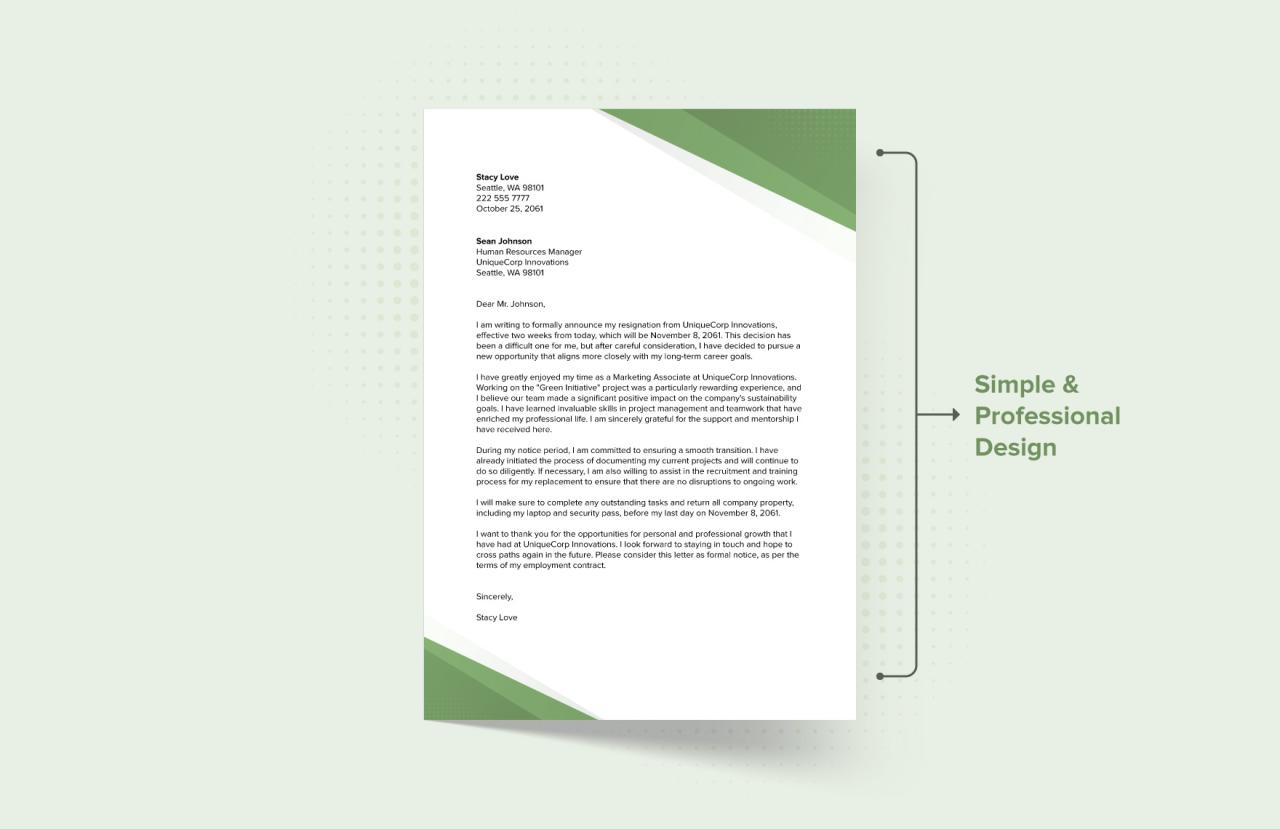
The structure of a resignation letter should typically follow a simple format, making it easy for your employer to understand your intentions. The letter should start with your address and the date, followed by the employer’s address. The salutation should be formal, addressing the appropriate person in the company. In the body of the letter, clearly state your intention to resign, mention your last working day, and express gratitude for the opportunities you’ve had.
Ending the letter with a professional closing reinforces your respectful tone.
Importance of Tone and Language
Maintaining the right tone in your resignation letter is vital for preserving professional relationships. It is advisable to use polite and positive language throughout the letter. A respectful tone can help mitigate any potential negative feelings and ensure that you leave on good terms. Here are a few key points to consider when crafting your resignation letter’s tone and language:
1. Stay Positive
Focus on the positive experiences you’ve had in your role.
2. Express Gratitude
Thank your employer for the opportunities provided, which reflects your appreciation.
3. Be Concise
Keep your letter straightforward and to the point without unnecessary details.
4. Professional Language
Avoid slang or overly casual phrases to maintain a level of professionalism.Here are some examples of resignation letters tailored for different situations:
1. Immediate Resignation
“` Dear [Manager’s Name], I am writing to formally resign from my position at [Company Name], effective immediately. This decision was not made lightly, and I sincerely apologize for any inconvenience my immediate departure may cause. I appreciate all the support and opportunities provided during my time here. Thank you for your understanding.
Sincerely, [Your Name] “`
2. Two Weeks’ Notice
“` Dear [Manager’s Name], I am writing to inform you of my resignation from [Company Name], effective [Last Working Day, two weeks from today]. I want to express my gratitude for the opportunities to grow and develop within the company. I will do my utmost to ensure a smooth transition during my remaining time.
Thank you for everything. Best regards, [Your Name] “`These letters exemplify a balanced approach to resignation, clearly stating intentions while maintaining a respectful and appreciative tone. Crafting your letter thoughtfully can leave a lasting positive impression, fostering goodwill in your professional network.
Emotional Aspects of Resigning Professionally
Resigning from a job can evoke a whirlwind of emotions, ranging from relief to anxiety. The decision often brings about a mix of excitement for future opportunities and apprehension about leaving behind the familiar environment and colleagues. It is essential to recognize these emotional challenges, as they can significantly impact the resignation process and subsequent career moves. Understanding these feelings can help in navigating this transition more smoothly.The emotional challenges faced during resignation are profound and multi-faceted.
Employees may experience fear of the unknown, guilt for leaving coworkers behind, or sadness for ending professional relationships. The fear of potential repercussions, such as burning bridges or damaging one’s reputation, adds to the emotional strain. Additionally, the stress of transitioning to a new role or the uncertainty of job hunting can exacerbate feelings of anxiety and vulnerability. Acknowledging these emotions is the first step in managing them effectively.
Strategies for Managing Stress and Anxiety
To cope with the stress and anxiety that accompany resignation, several strategies can be implemented. Recognizing the importance of emotional well-being during this time can lead to a more balanced approach to the transition.
- Practice Mindfulness: Engaging in mindfulness techniques such as meditation can help ground your thoughts and decrease anxiety. Taking a few moments to focus on the present can alleviate overwhelming feelings.
- Seek Support: Talking to trusted colleagues, friends, or family members can provide emotional relief and perspective. Sharing experiences can validate feelings and help in processing the transition.
- Organize Your Transition: Creating a detailed plan for your resignation and next steps can provide a sense of control. Knowing what tasks need to be completed can minimize feelings of chaos.
- Maintain a Positive Outlook: Focusing on the opportunities that lie ahead can shift your mindset from loss to optimism. Visualizing your career goals can help in maintaining motivation.
Despite the emotional turmoil, it is crucial to maintain professionalism throughout the resignation process. This involves communicating your decision respectfully and giving proper notice, as well as expressing gratitude for the opportunities provided.
“Professionalism during transition is key to maintaining your reputation in the workplace.”
Maintaining productivity and engaging positively with colleagues until your last day can leave a lasting impression. Keeping interactions respectful and constructive can also ease any tension and foster goodwill, which may benefit future networking opportunities. By focusing on professionalism, you can navigate the emotional challenges of resignation while paving the way for future success.
Communicating Your Resignation to Colleagues
Communicating your resignation to colleagues is an important step in the transition process. It requires sensitivity, clarity, and a respectful approach to maintain professional relationships. How you share this news can set the tone for your remaining time at the company and influence your colleagues’ perceptions of you moving forward.It’s essential to approach this communication thoughtfully. Start by ensuring that your direct supervisor is the first to know about your resignation.
Once they are informed, you can begin to notify your colleagues. Timing and setting play crucial roles in how this message is received. Ideally, aim for a time when your colleagues are not overwhelmed with work or facing tight deadlines. A calm and peaceful setting allows for more open dialogue.
Method for Communicating Resignation
When you’re ready to inform your coworkers of your resignation, consider the following methods to convey your message effectively:
1. In-Person Meetings
If possible, communicate your resignation in person. This method shows respect and allows for a more personal connection. Arrange brief meetings with close colleagues or teams to share your news directly.
2. Team Meeting Announcement
If your resignation involves a larger group, consider announcing it in a team meeting. This can be an efficient way to inform everyone at once while maintaining transparency.
3. Email Notification
For colleagues who may not be easily accessible, a well-crafted email can serve as an effective communication tool. Ensure your email is professional yet warm, expressing gratitude for the time spent together.
4. Informal Gatherings
Hosting a casual gathering, such as a lunch or coffee break, can provide a comfortable atmosphere for sharing your news. This approach encourages open conversations and helps in addressing any questions or concerns.It’s important to be prepared for different reactions from colleagues. Some may be supportive and understanding, while others might express surprise or disappointment. Here are a few strategies for handling these reactions:
Acknowledge Their Feelings
If colleagues express disappointment or sadness, acknowledge their feelings. A simple, “I appreciate your support; this was a tough decision for me as well,” can help validate their emotions.
Stay Positive
Focus on the positive aspects of your new opportunity. Emphasizing what you’re looking forward to can help shift the conversation in a positive direction.
Offer to Stay Connected
Reassure your colleagues that you value the relationships you’ve built. Offer to stay in touch via LinkedIn or through personal emails. This gesture can help ease any tension and foster ongoing connections.Ultimately, the manner in which you communicate your resignation can greatly influence how you are remembered by your colleagues. By handling the situation with professionalism and kindness, you can ensure a smooth transition and leave a lasting positive impression.
Preparing for the Transition After Resignation
Resigning from a position marks a significant turning point in one’s career. While it’s essential to manage the immediate responsibilities one leaves behind, focusing on what comes next is equally crucial. Preparing for a career transition involves several thoughtful steps to ensure a smooth and successful move to the next phase of your professional journey.When considering the next steps after resignation, it’s important to assess your skills, update your resume, and begin networking.
One effective approach is to identify your career goals clearly. Understanding what you want helps in tailoring your resume accordingly and positions you strategically in the job market. Additionally, take time to reflect on the skills and experiences gained from your previous role, and how they relate to future opportunities. Ensure you have a compelling personal brand that communicates your value proposition to potential employers.
Checklist for Preparing to Leave a Position
Before officially leaving your current role, there are several items to consider that can ease your transition. This checklist addresses both financial and networking aspects to ensure you are fully prepared for your next career move.
- Update Your Resume: Revise your resume to include your latest job responsibilities and accomplishments.
- Assess Financial Stability: Review your savings and budget for the period of unemployment, if applicable.
- Networking: Reach out to former colleagues and industry contacts to inform them of your transition.
- LinkedIn Profile: Update your LinkedIn profile to reflect your newest career intentions and achievements.
- References: Secure references from supervisors and colleagues who can vouch for your skills and work ethic.
- Job Market Research: Investigate job openings and market trends that align with your skills and interests.
- Skill Development: Consider taking courses or certifications to enhance your qualifications for your desired role.
- Exit Interview Preparation: Prepare for your exit interview by thinking about constructive feedback you’d like to offer.
Staying connected with former colleagues after resignation can provide numerous benefits. Networking plays a crucial role in career advancement, and former colleagues can serve as valuable contacts. They may share job leads, recommend you for positions, or provide insights into industry trends. Maintaining these relationships can also lead to potential collaborations or partnerships in the future. Additionally, staying in touch can keep you in the loop for professional events or gatherings, allowing you to expand your network further.
Therefore, consider regular check-ins or connecting through social media platforms to sustain these relationships.
“Your network is your net worth.”
Building and nurturing relationships post-resignation can significantly impact your career trajectory in the long run.
Understanding the Legal Considerations in Resigning

Navigating the legal aspects of resigning from a job is crucial for maintaining a professional reputation and ensuring compliance with contractual obligations. When stepping away from a position, employees must be aware of their rights and responsibilities, particularly regarding notice periods and potential disputes with their employers.A primary consideration when resigning is the notice period stipulated in your employment contract.
This period is the time frame during which you are expected to continue working after submitting your resignation. Many contracts specify a length of notice, often ranging from one to four weeks, depending on the role and the organization. Failing to adhere to this requirement could lead to several legal ramifications, including potential loss of severance pay or legal action for breach of contract.
Contractual Obligations and Resignation
Understanding your contractual obligations is fundamental when resigning. The contract may include specific clauses that detail the process for resignation, including:
- Notice Period: Always check how long you are required to give notice. If you have a longer notice period, it is advisable to adhere to it to avoid penalties.
- Non-Compete Clauses: Some contracts contain restrictions on working for competitors after leaving. Familiarize yourself with these clauses to avoid legal trouble in your next position.
- Confidentiality Agreements: Obligations to protect company information may extend beyond your employment. Ensure you understand what information you can and cannot disclose post-resignation.
In the event of potential disputes or misunderstandings with your employer during the resignation process, communication is key. It is advisable to document all conversations and correspondence regarding your resignation. This means keeping records of emails and letters that Artikel your notice and any other relevant communications. If a dispute arises, clear documentation can be invaluable in providing evidence of your intentions and compliance with contractual terms.For those seeking legal advice regarding their employment contracts, several resources are available.
Employment law solicitors can provide insights tailored to your specific situation, helping you understand your rights and obligations. Additionally, several online platforms offer legal advice services for employment issues. Professional organizations and labor unions may also provide support and resources for members facing legal challenges related to employment contracts.In summary, understanding the legal implications of resigning is essential for a smooth transition and to avoid potential conflicts with your employer.
By being aware of your contractual obligations and available resources, you can navigate this process more effectively.
The Role of Exit Interviews in the Resignation Process
Exit interviews serve as a critical component in the resignation process, providing both employees and organizations with valuable insights. For the departing employee, it offers a chance to reflect on their experience and express thoughts about their time with the company. For the organization, it’s an opportunity to gather feedback that can inform future policies and improve workplace culture. Understanding the significance of exit interviews and how to prepare for them can lead to more constructive dialogues and beneficial outcomes.The significance of exit interviews lies in their potential to foster open communication and enhance organizational effectiveness.
These interviews often reveal underlying issues that may not have been addressed during an employee’s tenure. Preparation for these interviews is key; employees should approach them with clarity and purpose. Here are a few steps to consider when gearing up for an exit interview:
- Review your employment history, focusing on both the positive and negative aspects.
- Prepare specific examples that illustrate your experiences, both constructive and critical.
- Think about your expectations for the workplace and how they align with the company’s values and practices.
Providing Constructive Feedback During Exit Interviews
Maintaining professionalism while delivering feedback is essential during exit interviews. Constructive feedback can lead to positive changes within the organization, while unfiltered criticism may hinder relationships or future opportunities. Here are some key tips for providing feedback:
Stay Objective
Focus on facts rather than emotions. Use “I” statements to convey your feelings without sounding accusatory. For instance, say “I felt unsupported in project X” instead of “Management ignored my contributions.”
Be Specific
General complaints can be dismissed easily. Provide specific examples of situations that could be improved or that worked well.
Offer Solutions
When pointing out a problem, consider also suggesting a potential solution. This shows that you are invested in the organization’s future.
Choose Timing Wisely
Deliver feedback during appropriate moments within the interview, ensuring it flows naturally within the conversation.The long-term impact of exit interviews can be profound for both employees and organizations. For employees, sharing their experiences can promote a sense of closure and may facilitate a better transition to their next opportunity. It also leaves the door open for future networking or employment chances, as a positive exit can create goodwill.For organizations, analyzing feedback from exit interviews can identify trends and areas for improvement, enhancing employee retention and satisfaction.
A culture that values employee input can lead to improved morale, reduced turnover rates, and a stronger overall organizational reputation. Implementing changes based on exit interview feedback can ultimately foster a workplace environment that attracts top talent and encourages existing employees to remain committed.
Networking and References After Resignation
Networking plays a crucial role in your career, especially after you resign from a job. It serves as a bridge for potential opportunities, recommendations, and valuable insights into your desired industry. The relationships cultivated during your previous employment can be instrumental in guiding you through your next steps. After all, the professional world is often about who you know as much as what you know.
Establishing a professional rapport with former colleagues and supervisors before leaving your job can set the foundation for future networking. Upon resigning, it’s important to approach the topic of references with finesse and professionalism. When asking for a reference, consider the following strategies:
Requesting References Professionally
Initiating a request for references should be done thoughtfully. It is important to be polite and respectful to ensure your former employer or colleague feels appreciated and willing to advocate for you. Here are some key points to consider when making your request:
- Choose the Right Person: Select someone who knows your work well and can provide a positive endorsement of your skills and contributions.
- Ask in Person or via Email: Whenever possible, make your request face-to-face or through a personalized email. Clearly state your reason for needing a reference and express your gratitude for their support.
- Provide Context: Let them know what type of roles you are applying for and highlight specific skills or experiences that they could mention in their reference. This can help them tailor their response appropriately.
- Offer to Keep in Touch: Regardless of their response, express your desire to maintain the relationship and update them on your job search progress.
Leveraging the professional connections you made during your previous employment can significantly enhance your job search. Networking does not cease once you leave a position; rather, it evolves and can lead to new opportunities.
Leveraging Connections for Job Searches
Utilizing your network after resignation involves strategic outreach. Here are a few strategies to maximize these connections:
- Engage on Social Media: Platforms like LinkedIn allow you to stay connected with former colleagues and industry professionals. Share your career updates or insights relevant to your field to maintain visibility.
- Attend Networking Events: Participate in industry conferences, webinars, or local meet-ups where you can reconnect with former colleagues and meet new professionals in your field.
- Request Informational Interviews: Reach out to former colleagues or mentors for advice on your career transition. These conversations can provide not only insights but also potential job leads.
- Follow Up: After you have reached out, make it a point to keep the lines of communication open. A friendly check-in can remind your connections of your availability and willingness to explore new opportunities.
“Networking is not just about collecting contacts; it’s about planting relationships.”
Maintaining and nurturing these connections can facilitate a smoother transition into your next career chapter, making your job search more effective and rewarding.

Hi, I’m Lauren. As a digital enthusiast and storyteller, I love breaking down complex ideas into easy-to-read articles. My goal is to provide readers with fresh perspectives and helpful solutions through every piece I write.



![Top Tips to Achieve Work Life Balance [INFOGRAPHIC] - Learnist.org](https://career.hotel.or.id/wp-content/uploads/2026/04/stephen-covey-quote-image-1024x1024-1-390x220.png)