Toxic Workplace Signs can often be subtle yet impactful, creating a challenging environment that affects both employee morale and productivity. Recognizing these signs early is crucial for fostering a healthier work atmosphere. From negative interactions among colleagues to a lack of effective communication, these indicators can manifest in various ways that are detrimental to team dynamics.
Many employees might notice a consistent feeling of unease, stemming from behaviors such as gossip, criticism, or unclear expectations. By understanding these early warning signs, organizations can take proactive steps to address issues and improve the overall workplace culture.






Identifying the Early Signs of a Toxic Workplace Environment
Recognizing the early indicators of a toxic workplace is crucial for both employees and management. A toxic environment can lead to decreased job satisfaction, high turnover rates, and even serious mental health issues. Early identification can allow teams and leaders to address underlying issues before they escalate. Here are some key signs that can suggest a toxic atmosphere.One of the most prevalent signs of toxicity is negative communication patterns among team members.
This can manifest in various ways, such as excessive criticism, lack of support, or dismissive comments during meetings. When employees feel belittled or undervalued, it creates an atmosphere of fear rather than collaboration. Additionally, a culture where gossip thrives breeds distrust and can lead to divisions among staff. Employees may feel compelled to speak behind each other’s backs rather than address issues directly.Another indication of a toxic workplace is a lack of transparency from leadership.
When management keeps information hidden or changes policies without clear communication, it can foster resentment and confusion. Employees may feel they are kept in the dark about decisions that affect their roles, leading to speculation and distrust. For instance, if raises or promotions are granted without clear criteria or reasoning, it can create an environment where favoritism seems prevalent.Furthermore, a workplace that lacks recognition for achievements can also be a sign of toxicity.
When employees work hard but receive little to no acknowledgment for their efforts, it can lead to frustration and demotivation. Acknowledging accomplishments, whether big or small, is essential for fostering a positive and supportive work culture. Below are specific behaviors and actions that may signal toxicity to employees:
- Constant Micromanagement: When supervisors excessively control every aspect of employees’ work, it undermines trust and autonomy.
- High Employee Turnover: Frequent departures can indicate problems with the workplace environment and leadership.
- Negative Attitude Towards Feedback: If management dismisses employee feedback, it suggests a lack of willingness to improve.
- Isolation of Team Members: When certain individuals are deliberately excluded from meetings or discussions, it creates a divisive atmosphere.
- Work-Life Imbalance: Expecting employees to work long hours without regard for personal time can lead to burnout and resentment.
These signs often manifest subtly in daily interactions. For example, a team meeting might be filled with silence rather than constructive dialogue, indicating that employees feel uncomfortable sharing their thoughts. Alternatively, informal interactions during breaks might be overshadowed by a sense of tension or avoidance. Recognizing these signs early can enable individuals and organizations to take proactive measures toward fostering a healthier workplace.
The Impact of Poor Communication in a Toxic Work Culture
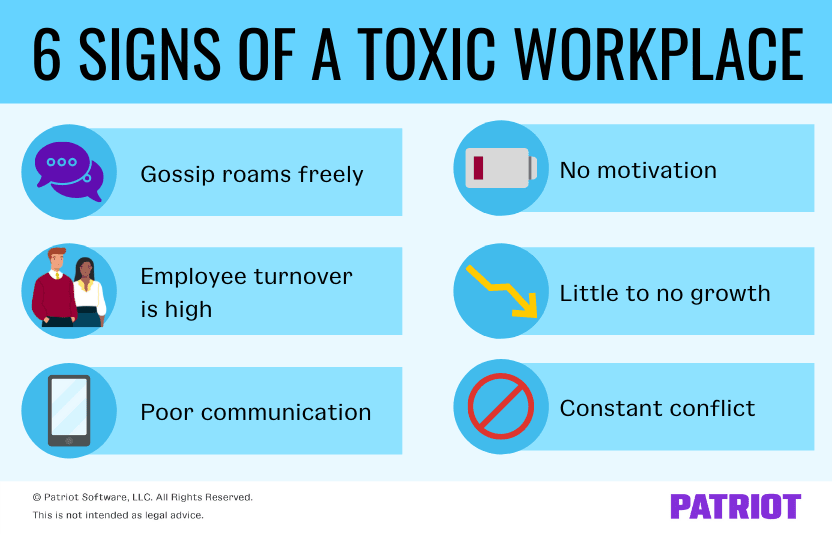
Ineffective communication serves as a catalyst for a toxic workplace environment, significantly impacting employee morale and overall productivity. When team members cannot share ideas, express concerns, or receive essential feedback, misunderstandings and frustrations arise. This situation fosters an atmosphere of distrust, disengagement, and stress, leading to reduced job satisfaction and increased turnover rates.
Effects of Poor Communication on Workplace Dynamics
Poor communication can escalate tensions in a work setting in several ways. Firstly, when information is not clearly articulated, employees may feel undervalued and ignored, which can lead to resentment. Secondly, lack of transparency regarding decisions and changes creates a sense of insecurity among staff members. Lastly, miscommunication can result in conflicts between team members, as differing interpretations of messages lead to disagreements and a breakdown of collaboration.To better understand the impact of communication breakdowns, the following signs indicate that poor communication might be affecting a team:
- Frequent misunderstandings or confusion about tasks and responsibilities.
- Increased conflict or tension between team members.
- Low participation in meetings or reluctance to share ideas.
- High levels of stress reported by employees.
- Declining performance metrics or productivity levels.
- Frequent complaints or negative feedback regarding team dynamics.
- Limited use of collaborative tools and resources.
Addressing these signs promptly can help mitigate the consequences of poor communication and improve the overall health of the workplace culture.
The Role of Leadership in Fostering a Toxic Environment
Leadership plays a crucial role in shaping workplace culture, and their actions can significantly influence whether an organization fosters a toxic environment or promotes a positive one. The styles and behaviors of leaders can either contribute to a supportive atmosphere or, conversely, create a breeding ground for negativity and dysfunction. Understanding this dynamic is essential for organizations aiming to cultivate a healthy work environment.Leadership styles have a direct impact on the overall atmosphere within an organization.
Authoritarian leaders, for instance, often instill fear and inhibit open communication, which can lead to a culture of mistrust and resentment among employees. In contrast, leaders who adopt a more democratic approach encourage input and collaboration, fostering an inclusive environment that mitigates toxicity. The following behaviors are common among leaders who contribute to a toxic workplace:
Behaviors That Contribute to a Toxic Atmosphere
Certain behaviors from leadership can exacerbate workplace toxicity, including:
- Lack of Transparency: Leaders who fail to communicate openly about decisions and changes can foster suspicion and anxiety among employees.
- Micromanagement: Excessive control over employees’ tasks can undermine their confidence and stifle creativity, leading to frustration and disengagement.
- Inconsistent Policies: When leaders apply rules unevenly or show favoritism, it can create a sense of injustice and resentment within the team.
- Neglecting Employee Well-being: Ignoring the mental and emotional health of team members can lead to burnout and decreased morale.
- Failure to Acknowledge Contributions: Leaders who do not recognize or reward employee efforts can diminish motivation and commitment to the organization.
Transforming leadership styles is key to promoting a healthier work culture. Leaders can adopt several strategies to shift their approach towards a more positive environment:
Transformative Leadership Approaches
Implementing constructive leadership strategies can significantly enhance workplace culture. The following methods are effective in creating a more supportive and positive environment:
- Encouraging Open Communication: Leaders should establish channels for feedback and actively listen to employee concerns, fostering a culture of trust.
- Empowering Employees: Allowing team members to take ownership of their work encourages responsibility and enhances job satisfaction.
- Recognizing Achievements: Regularly acknowledging individual and team accomplishments can boost morale and motivation.
- Providing Support and Resources: Offering mental health resources and professional development opportunities shows commitment to employee well-being and growth.
“Great leaders don’t set out to be a leader… They set out to make a difference. It’s never about the role—it’s always about the goal.” – Lisa Haisha
Recognizing the Signs of Employee Burnout in a Toxic Workplace
Employee burnout represents a critical issue within the context of a toxic workplace, acting both as a symptom of poor work conditions and as a catalyst for further deterioration of that environment. Understanding the dynamics of burnout is essential for maintaining a healthy workforce and ensuring productivity. Recognizing the signs of burnout can help leaders take proactive measures to improve conditions and support their teams effectively.
Burnout manifests through various physical, emotional, and behavioral indicators that can significantly impact team dynamics and overall workplace morale. Employees suffering from burnout may exhibit decreased performance, detachment, and increased absenteeism, creating a ripple effect throughout the organization. Effective identification of these signs is crucial for leadership to intervene appropriately and foster a healthier work atmosphere.
Identifying Signs of Burnout Among Employees
Recognizing burnout requires careful observation of both individual behaviors and team interactions. It’s essential to be aware of the subtle changes that indicate an employee may be struggling. The following signs are often present in individuals experiencing burnout:
- Chronic fatigue or exhaustion, often leading to decreased energy levels.
- Increased irritability and emotional instability, resulting in conflicts with colleagues.
- Feelings of ineffectiveness or lack of accomplishment despite hard work.
- Withdrawal from team activities or social interactions, leading to isolation.
- Frequent complaints of physical symptoms, such as headaches or gastrointestinal issues.
It’s important to note that burnout not only affects the individual but can also disrupt team harmony and productivity.
Strategies for Addressing Burnout in a Toxic Environment
Addressing burnout effectively requires a multi-faceted approach that promotes a healthier work culture. Implementing supportive strategies can help mitigate the effects of burnout and improve employee well-being. Here are several methods that can be utilized:
- Encouraging open communication about workplace stressors, creating an environment where employees feel safe to express their concerns.
- Implementing flexible work arrangements to help employees manage their time and responsibilities better.
- Providing access to mental health resources and support, such as counseling services and stress management programs.
- Cultivating a culture of recognition and appreciation to enhance employee engagement and morale.
- Regularly assessing workload and expectations to prevent overwhelming employees.
Taking proactive steps to address burnout can significantly improve employee satisfaction and retention.
Analyzing the Impact of Gossip and Rumors on Workplace Morale
Gossip and rumors can create a toxic environment in the workplace, leading to significant consequences not just for individuals but for the entire team dynamic. When employees engage in gossip, they often do so without considering the profound effects it can have on workplace relationships. By understanding the destructive nature of these behaviors, organizations can take steps to foster a healthier communication culture.The ripple effects of gossip can undermine trust and collaboration among team members.
When employees share unverified information or make assumptions about their colleagues, it can create a climate of suspicion and defensiveness. For instance, if an employee spreads a rumor that a colleague is seeking a promotion and will do anything to undermine others, it creates tension and mistrust within the team, leading to a breakdown in collaboration.
Examples of Trust Damage Caused by Rumors
Rumors can manifest in many damaging ways within a workplace. Specific examples illustrate how trust can be eroded:
- Miscommunication about job security: If rumors circulate about impending layoffs, employees may become anxious and disengaged, fearing for their positions rather than focusing on their work.
- Unfounded accusations: When employees are suspected of misconduct based on hearsay, it can damage reputations and create a hostile work environment, even if the allegations are unfounded.
- Exclusivity and cliques: Gossip can lead to the formation of cliques, where certain individuals are excluded based on false information, impacting teamwork and morale.
To combat workplace gossip and promote positive communication, organizations can implement several strategies that encourage transparency and openness. Establishing clear communication channels where employees feel safe to express concerns can significantly reduce the prevalence of gossip. Furthermore, leadership should model positive communication by addressing rumors promptly and factually, reinforcing the importance of trust. In addition, training sessions focusing on the impact of gossip and the importance of fostering a supportive workplace culture can provide employees with the tools needed to combat negativity.
A culture where positive achievements are shared and celebrated can significantly shift the focus away from harmful gossip, creating a more inclusive and trusting environment for all.
“Fostering a culture of openness and trust is essential in discouraging gossip, leading to a more harmonious workplace.”
The Consequences of Neglecting Employee Well-being in Toxic Workplaces
Neglecting employee well-being in toxic workplaces can have far-reaching and detrimental effects on both personal and professional levels. When employees are subject to harmful environments, the repercussions extend beyond immediate job satisfaction, impacting their mental health and overall quality of life. Recognizing these consequences is crucial for organizations striving to cultivate a healthier workplace culture.Long-term exposure to a toxic work environment can lead to severe mental health issues, including anxiety, depression, and burnout.
According to a study published in the Journal of Occupational Health Psychology, employees who perceive their workplace as toxic are 2.5 times more likely to experience significant stress-related illnesses. Prolonged stress can diminish job satisfaction, leading to disengagement and increased turnover rates. In fact, Gallup’s research indicates that organizations with lower employee engagement see a 20% decrease in productivity and up to 65% higher turnover rates.
Impact on Mental Health and Job Satisfaction
The implications of neglecting employee well-being manifest in various ways, both psychologically and in workplace dynamics. The following points underscore the significance of addressing mental health in the context of toxic workplaces:
Increased Anxiety and Depression
Employees often experience chronic anxiety and depression due to unresolved conflicts, lack of support, or excessively demanding workloads. This mental strain can result in absenteeism and presenteeism, where employees are physically present but mentally disengaged.
Reduced Job Satisfaction
When employees feel undervalued or unsupported, their job satisfaction plummets. A report from the Workplace Bullying Institute shows that 61% of employees in toxic workplaces express dissatisfaction with their jobs, which can lead to decreased productivity and innovation.
Higher Turnover Rates
Employee turnover is a costly consequence of neglecting well-being. According to the Society for Human Resource Management, replacing a single employee can cost organizations 6 to 9 months’ worth of that employee’s salary. This doesn’t just impact finances; it also disrupts team cohesion and morale.
Workplace Conflicts
Toxic environments breed conflict, with employees often feeling pitted against one another. This can create a culture of fear rather than collaboration, ultimately stifling creativity and teamwork.
Physical Health Issues
Mental health and physical health are closely linked. Stress and emotional turmoil can lead to physical ailments such as heart disease and chronic fatigue, further compounding the issues faced by employees in toxic workplaces.To mitigate these consequences, organizations must prioritize employee mental health and take actionable steps toward improving workplace culture. Implementing strategies such as mental health days, promoting work-life balance, and providing access to mental health resources can significantly benefit both employees and the organization as a whole.
Additionally, fostering an environment of open communication and support can encourage employees to voice concerns and seek help when needed. By addressing these key areas, organizations can move toward cultivating a healthier, more productive workplace that values and supports its employees.

Hi, I’m Lauren. As a digital enthusiast and storyteller, I love breaking down complex ideas into easy-to-read articles. My goal is to provide readers with fresh perspectives and helpful solutions through every piece I write.


![Top Tips to Achieve Work Life Balance [INFOGRAPHIC] - Learnist.org](https://career.hotel.or.id/wp-content/uploads/2026/04/stephen-covey-quote-image-1024x1024-1-390x220.png)