Work Life Balance is a crucial aspect of modern living that influences our overall happiness and productivity. As the lines between work and personal life continue to blur, understanding how to maintain this balance becomes increasingly important. Exploring the historical shifts in perception and cultural differences around work life balance reveals just how vital this concept is for maintaining both mental and physical well-being.
Acknowledging the signs of poor work life balance is the first step toward improvement. From the rising stress levels to diminished personal time, recognizing these indicators can inspire necessary changes for a healthier lifestyle. With practical strategies and support from employers, achieving a harmonious balance is more attainable than ever.




Understanding the Concept of Work Life Balance
Work-life balance is a term that has gained significant traction in recent years, emphasizing the importance of maintaining a healthy equilibrium between professional responsibilities and personal life. In our fast-paced modern society, where work often encroaches on leisure time, understanding and achieving work-life balance has become crucial for overall well-being and productivity. This balance is not merely about time management; it encompasses the emotional and mental health aspects of individuals, influencing their quality of life and job satisfaction.Historically, the concept of work-life balance has evolved dramatically.
In the early 20th century, during the Industrial Revolution, long working hours and minimal regard for personal life dominated the labor landscape. As the years progressed, labor movements advocated for workers’ rights, leading to the establishment of regulated work hours and time off. By the late 20th century, as women entered the workforce in greater numbers and societal expectations shifted, the notion of work-life balance began to take shape as a more holistic approach to both personal and professional fulfillment.
Cultural Perspectives on Work Life Balance
Different cultures have unique perspectives on work-life balance, which can significantly affect the way individuals perceive their work and personal lives. In countries like Sweden, there is a strong cultural emphasis on work-life balance, reflected in policies that promote parental leave and flexible working hours. The concept of “lagom,” which means “just the right amount,” resonates deeply, suggesting that moderation in all aspects of life, including work, leads to happiness.Conversely, in countries like Japan, the workplace culture often prioritizes long hours and dedication to the company, leaving little room for personal time.
This phenomenon, known as “karoshi” or death from overwork, highlights the potential dangers of neglecting personal well-being for professional success.In the United States, work-life balance varies widely among industries and companies. While some progressive organizations offer remote work options and generous vacation policies, others perpetuate a hustle culture, where employees may feel pressured to prioritize work over personal life to climb the corporate ladder.Understanding how these cultural frameworks influence work-life balance can help individuals navigate their own expectations and find a balance that aligns with their values and lifestyle.
The implications of these cultural differences extend beyond personal satisfaction; they affect workplace productivity, employee retention, and overall economic health.
“Work-life balance is not a destination; it’s a continuous journey that requires adjustment and realignment.”
Identifying the Signs of Poor Work Life Balance
Recognizing the signs of an unhealthy work-life balance is crucial for maintaining both personal well-being and professional productivity. Many people overlook these indicators, often dismissing them as normal stress or the demands of modern life. However, being aware of these signs can help you make necessary adjustments before it impacts your health and overall quality of life.Several common indicators signal a poor work-life balance.
These signs manifest in various ways, affecting both physical and mental well-being. Understanding these symptoms is vital for early intervention and fostering a healthier lifestyle.
Common Indicators of Poor Work-Life Balance
The following points Artikel key signs that suggest an imbalance between work and personal life:
- Constant Fatigue: Persistent tiredness, even after a full night’s sleep, can indicate that work pressures are overwhelming personal time.
- Increased Irritability: Frequent mood swings or irritability can stem from work stress, making it challenging to enjoy time with family or friends.
- Neglected Personal Relationships: Spending less time with loved ones or withdrawing from social activities often points to work encroaching on personal life.
- Physical Health Issues: Increased frequency of headaches, digestive issues, or other stress-related ailments can result from an unbalanced lifestyle.
- Persistent Work Thoughts: Constantly thinking about work during personal time reflects a lack of boundaries between professional and personal life.
The potential health consequences of not maintaining a proper work-life balance are significant. Individuals may experience chronic stress, leading to anxiety or depression. Physical health can also deteriorate, resulting in conditions such as hypertension, heart disease, or weakened immune function. These effects can create a vicious cycle where poor health further impacts work performance, perpetuating the imbalance.
Personal Stories Illustrating Poor Work-Life Balance
Real-life experiences can help shed light on the tangible effects of an imbalanced lifestyle. For instance, a case study of a marketing manager, Jane, illustrates this point vividly. Jane was dedicated to her job, often working late hours and on weekends to meet deadlines. Over time, she found herself feeling increasingly isolated from her friends and family. Her physical health suffered; she developed frequent migraines and struggled with insomnia.
Ultimately, Jane recognized her need for change after missing a family gathering due to work obligations, prompting her to reassess her priorities and seek a more balanced approach.Another example is Tom, a software engineer who believed that working longer hours would lead to promotions. However, this led to burnout, impacting his creativity and productivity. After confiding in a mentor, Tom learned the importance of setting boundaries and taking breaks.
By prioritizing self-care and personal time, he regained his passion for work and improved his overall well-being.These stories highlight the importance of recognizing the signs of poor work-life balance and taking proactive steps to address them before they escalate into larger issues. Acknowledging these indicators can pave the way for a healthier, more fulfilling life.
Strategies for Achieving Work Life Balance
Achieving a healthy work-life balance is essential for well-being and productivity. It involves establishing boundaries and incorporating practices that prioritize both professional and personal needs. In this section, we will explore practical techniques that can help individuals enhance their balance, the significance of effective time management, and inspiring real-life success stories.
Practical Techniques for Work-Life Balance
To improve work-life balance, individuals can implement various practical techniques. These strategies not only assist in managing time efficiently but also help in maintaining a fulfilling personal life. Below are some effective techniques:
- Set Clear Boundaries: Define your working hours and communicate them with colleagues and family. This helps in minimizing work encroachment into personal time.
- Prioritize Tasks: Use techniques like the Eisenhower Box to distinguish between urgent and important tasks. Focus on what truly matters.
- Embrace Flexibility: Whenever possible, leverage flexible working arrangements, such as remote work or adjusted hours, to better accommodate personal commitments.
- Schedule Breaks: Regular breaks during the workday can enhance productivity and reduce burnout. Short walks or mindfulness exercises can be beneficial.
- Practice Saying No: Don’t overcommit. Be honest about your workload and prioritize your well-being by turning down additional responsibilities when necessary.
- Plan Personal Time: Just as meetings are scheduled, allocate time for personal activities and hobbies to ensure they are prioritized.
- Utilize Technology Wisely: Use productivity tools and apps to keep track of tasks, deadlines, and personal obligations, ensuring nothing falls through the cracks.
The Importance of Time Management and Prioritization
Time management and prioritization play a crucial role in achieving work-life balance. Effective management of time helps to allocate appropriate amounts to both work and personal life, fostering a sense of control and reducing stress.
“Time management is life management. To achieve a better work-life balance, it’s essential to manage your time effectively.”
Consider dividing tasks into categories based on urgency and importance. This allows for a clear focus on high-priority items while safeguarding time for personal interests. Techniques such as the Pomodoro Technique, which involves working in blocks followed by short breaks, can enhance concentration and efficiency. Real-life examples also highlight the success of effective time management. For instance, a software developer named Emily implemented time-blocking strategies, dedicating specific hours for work tasks and personal projects.
As a result, she reported a significant reduction in work-related stress and an increase in her overall happiness and productivity. Another inspiring story is that of a marketing manager, Jason, who learned to delegate tasks effectively. By prioritizing tasks and trusting his team, he found more time for family activities, leading to a deeper connection with his loved ones and improved job satisfaction.Ultimately, mastering time management and prioritization can lead to a more balanced, fulfilling life, blending professional ambitions with personal joys.
The Role of Employers in Promoting Work Life Balance
Creating a work environment that prioritizes work-life balance is essential for both employee satisfaction and organizational success. Employers play a crucial role in shaping this culture by implementing strategies and policies that acknowledge the personal lives of their employees. By fostering a supportive atmosphere, organizations can improve employee morale, increase productivity, and reduce turnover rates.Organizations can create a culture that supports work-life balance by setting clear expectations and encouraging open communication.
Leadership should actively engage with employees to understand their needs and challenges, promoting flexibility and adaptability in work arrangements. Encouraging a results-oriented work environment, where performance is measured by outcomes rather than hours worked, can also significantly contribute to a balanced lifestyle for employees.
Policies and Programs for Work-Life Balance
To inspire a healthier work-life balance, companies can adopt a variety of policies and programs aimed at supporting employee well-being. These initiatives can range from flexible work arrangements to wellness programs. Here are some effective examples:
- Flexible Work Hours: Allowing employees to choose their start and end times can help them manage personal commitments, such as childcare or education.
- Remote Work Options: Providing the opportunity to work from home can reduce commuting stress and allow employees to create a comfortable work environment.
- Paid Time Off (PTO): Encouraging the use of vacation days and personal leave fosters a culture where taking time off is not only accepted but promoted.
- Wellness Programs: Initiatives that focus on physical and mental health, such as gym memberships or mental health days, show employees that their well-being is a priority.
- Family Support Policies: Offering parental leave and childcare assistance can significantly relieve the stress of balancing professional and family responsibilities.
Several companies excel in promoting work-life balance and have seen positive outcomes as a result. For instance, Google is well-known for its flexible work culture, offering amenities such as on-site childcare, wellness programs, and the option to work remotely. This approach has led to higher employee satisfaction and retention rates. Similarly, Salesforce has implemented a “Ohana Culture” that encourages work-life harmony, resulting in recognition as one of Fortune’s 100 Best Companies to Work For.
These examples illustrate that when employers commit to fostering a supportive work environment, both the organization and its employees benefit.
Technology’s Impact on Work Life Balance
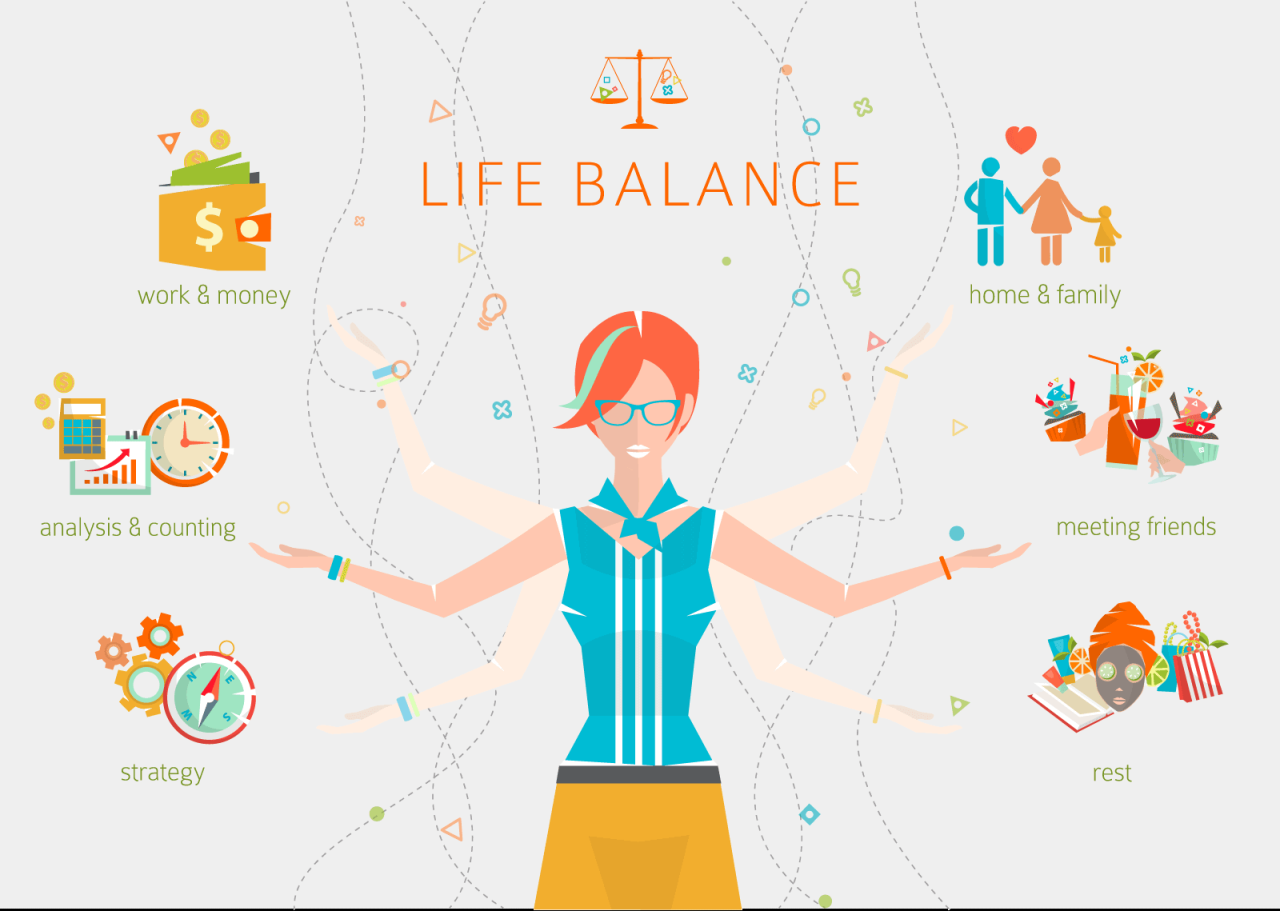
The advent of technology has fundamentally transformed the way we approach work and personal life. While it offers conveniences that can enhance our productivity and connectivity, it simultaneously poses challenges that can disrupt our work-life balance. Understanding the dual nature of technology’s impact is essential for navigating our professional and personal responsibilities effectively.Technology has reshaped our work environments, enabling greater flexibility in where and when we work.
Remote work tools and communication platforms allow employees to collaborate from anywhere, fostering a sense of autonomy. However, this same technology can blur the lines between work and home life, leading to potential burnout. The accessibility of work-related communications through smartphones and messaging apps means that many employees find it difficult to “switch off,” resulting in an overwhelming influx of information that can hinder relaxation and personal time.
Tools and Applications for Time Management
Various tools and applications can assist individuals in managing their time more effectively, helping to maintain a healthier work-life balance. The rise of productivity apps is a response to the demand for better organization and time management. Some notable tools include:
- Trello: A project management application that allows users to organize tasks visually, track progress, and collaborate with team members seamlessly.
- Todoist: A task management tool that helps users create, prioritize, and schedule tasks, ensuring that important responsibilities are not overlooked.
- Slack: A communication platform designed to facilitate team collaboration while allowing users to set boundaries through customizable notification settings.
- RescueTime: An application that tracks how you spend your time on digital devices, providing insights that can help in identifying distractions and improving productivity.
The importance of utilizing these tools lies in their capability to enhance organization and promote better time management strategies. By integrating such applications into daily routines, individuals can carve out time for both work responsibilities and personal interests, reinforcing the boundaries necessary for a balanced life.
Digital Detox and Its Significance
The concept of digital detox refers to taking intentional breaks from digital devices to disconnect from the constant barrage of information. This practice has gained recognition as a vital strategy for maintaining mental health and promoting a healthy work-life balance. In an era where technology dominates our lives, disengaging from screens can lead to numerous benefits.By implementing a digital detox, individuals can:
- Reduce Stress: Taking time away from screens can lower anxiety levels associated with information overload.
- Improve Focus: A break from digital distractions often enhances concentration on tasks at hand.
- Enhance Relationships: Spending time away from devices fosters deeper connections with family and friends, as quality time is prioritized.
- Boost Creativity: Disconnecting allows the mind to wander and re-engage with creative processes without digital interruptions.
Engaging in regular digital detoxes is significant for sustaining a healthy work-life balance. It encourages mindfulness, rejuvenates mental energy, and reinforces the essential boundaries between work and personal life.
“Technology is a double-edged sword; it can enhance our lives but also demand our attention endlessly.”
Work Life Balance in a Remote Work Environment
In today’s increasingly remote work landscape, achieving a healthy work-life balance has become both more challenging and more essential. Remote workers often find themselves navigating blurred lines between professional responsibilities and personal life, which can lead to burnout and decreased productivity. Understanding these unique challenges and implementing effective strategies can enhance the quality of life for remote employees.The remote work environment presents specific hurdles that can impede work-life balance.
One significant challenge is the constant accessibility of work-related communications, which can make it difficult for employees to disengage from work tasks. Additionally, the absence of a physical separation between home and work can lead to an “always-on” mentality, where individuals feel compelled to work beyond traditional hours. Furthermore, distractions at home, such as family obligations or household chores, can disrupt focus and productivity.
All these factors contribute to a situation where workers might struggle to find equilibrium in their daily lives.
Challenges Faced by Remote Workers
Remote employees encounter a variety of obstacles that can hinder their ability to maintain a balanced lifestyle. Recognizing these challenges is crucial for developing effective coping strategies. Here are some common issues they face:
- Blurred Boundaries: Without a physical office space, the line between personal and professional time often becomes indistinct, leading to longer working hours.
- Isolation: Remote work can result in feelings of loneliness and disconnection from colleagues, which can affect mental health and overall job satisfaction.
- Distractions: The home environment may present numerous distractions, making it challenging to remain focused on work tasks.
To address these challenges, remote employees can adopt specific strategies to effectively separate their work from personal life. Establishing clear boundaries is key to enhancing work-life balance. Below are some practical tips to assist remote workers in this endeavor:
Strategies for Separating Work from Personal Life
Creating distinct boundaries between work and home life is essential for maintaining a healthy balance. Here are some actionable strategies to consider:
- Set a Dedicated Workspace: Designate a specific area in your home for work activities. This helps create a physical boundary that signals the start and end of the workday.
- Establish a Routine: Develop a daily schedule that includes set working hours. Adhering to a routine can help maintain productivity and provide structure to the day.
- Utilize Breaks Wisely: Take regular breaks to recharge. Use this time to step away from your workspace, stretch, or engage in a personal activity to refresh your mind.
- Communicate Boundaries: Inform colleagues and family members about your work schedule to minimize interruptions during work hours.
Tools and Practices for Remote Collaboration
To foster teamwork without encroaching on personal time, remote teams can leverage various tools and practices that enhance collaboration. These tools facilitate communication and project management while respecting individual work-life boundaries. Here are some effective solutions:
- Collaboration Tools: Utilize platforms like Slack, Microsoft Teams, or Asana for clear communication and task management, helping to keep everyone aligned without constant check-ins.
- Time Management Apps: Tools like Trello or Clockify can aid in tracking time spent on tasks, ensuring that work hours are well-defined and productive.
- Regular Check-Ins: Schedule weekly team meetings to discuss progress and address challenges, ensuring that everyone is on the same page without overwhelming daily communications.
- Encourage Time Off: Promote a culture where taking breaks and time off is normalized, helping team members recharge and maintain balance.
By understanding the unique aspects of remote work, employees can implement effective strategies to ensure their work-life balance remains intact. Embracing these practices allows remote workers to thrive both professionally and personally.
The Importance of Setting Boundaries for Work Life Balance
Establishing clear boundaries between work and personal life is crucial for maintaining a healthy work-life balance. These boundaries help individuals manage their time and energy effectively, leading to improved productivity and reduced stress levels. By defining these lines, one can enjoy personal time without the constant intrusion of work demands, fostering both mental well-being and personal satisfaction.Setting boundaries is not just about saying “no”; it’s about communicating your needs and expectations clearly to others.
This can significantly affect your work relationships and overall work environment. Here are some effective ways to communicate your boundaries to coworkers and supervisors:
Communication Strategies for Boundaries
It’s important to articulate your boundaries in a manner that is respectful yet firm. The following approaches can help you establish your limits effectively:
- Open Dialogue: Initiate conversations with your team or supervisor about your availability and preferred working hours. This sets a precedent for mutual respect regarding personal time.
- Utilize Technology: Make use of tools like calendar applications to block off personal time. Share your calendar with your team to provide visibility into when you are not available.
- Be Assertive: When faced with requests that infringe on your personal time, respond assertively but politely. For example, you might say, “I have prior commitments during that time, but I’m happy to assist on this project during my working hours.”
Reflecting on your own habits and routines is essential for identifying where boundaries may need reinforcement. Self-reflection allows you to recognize patterns of behavior that lead to overcommitment or burnout. Consider the following methods to evaluate and strengthen your boundaries:
Self-Reflection Techniques for Boundary Reinforcement
Taking time to assess your work-life integration can reveal areas where adjustments are necessary. Here are several techniques to help in this process:
- Journaling: Maintain a journal to track your feelings about work and personal life. Note instances where you felt overwhelmed or intruded upon, which can highlight areas needing clearer boundaries.
- Time Audit: Conduct a time audit for a week. Record how you spend your time during and outside of work hours to identify activities that may encroach upon your personal life.
- Feedback Solicitation: Seek feedback from trusted colleagues or friends about your availability and responsiveness. Their perceptions can provide insights into how your boundaries are perceived by others.
“Setting boundaries is not a rejection; it’s an affirmation of your worth and needs.”
Establishing boundaries is an ongoing process that requires commitment and adaptation. By effectively communicating your limits and continually reflecting on your work-life balance, you can create a more fulfilling and manageable lifestyle that prioritizes both professional responsibilities and personal well-being.
Work Life Balance Considerations for Parents
Achieving work-life balance can be particularly challenging for parents as they juggle their professional responsibilities with the demands of raising children. The complexities of modern parenting, combined with work obligations, often lead to stress and burnout. Understanding these challenges and implementing effective strategies can help parents create a more balanced and fulfilling life.Parents face unique challenges in their pursuit of work-life balance, including time constraints, the need for flexibility, and the emotional toll of caregiving.
The constant juggle between work commitments and family responsibilities can lead to feelings of guilt and inadequacy. For instance, a parent might struggle with attending a school event while also meeting deadlines at work, causing a tug-of-war between professional expectations and family needs. Moreover, the unpredictability of children’s schedules, such as illness or school closures, can make it even more difficult to maintain a stable routine.
Strategies for Parents to Achieve Work-Life Balance
Implementing targeted strategies can significantly enhance the ability of parents to manage their work and family lives more effectively. These strategies focus on prioritizing tasks, setting boundaries, and utilizing available resources.
- Flexible Work Arrangements: Many employers now offer flexible work options, such as remote work or adjusted hours. Parents can negotiate their schedules to accommodate family obligations while ensuring work responsibilities are met.
- Time Management Techniques: Using tools like calendars and task lists can help parents prioritize their responsibilities. Techniques such as the Pomodoro Technique can enhance focus and efficiency during work hours, freeing up more time for family.
- Delegating Responsibilities: Sharing household duties with partners or older children can ease the burden. Establishing a family chore chart can help distribute tasks fairly, allowing everyone to contribute.
- Setting Boundaries: Clearly defined work hours can help parents draw a line between professional and personal time. Communicating these boundaries to colleagues and family members reinforces their importance.
Resources Available for Parents
A variety of programs and resources can support parents in their efforts to achieve work-life balance. These resources are designed to alleviate stress and provide practical solutions tailored to the needs of parents.
- Parenting Support Groups: Local community centers and online platforms often offer support groups where parents can share experiences and strategies. These groups can provide emotional support and practical advice.
- Workplace Wellness Programs: Many companies have implemented wellness programs that include stress management workshops, childcare support, and access to counseling services. Parents should inquire about what their employer offers.
- Childcare Assistance: Government programs and non-profit organizations can assist with childcare services, making it easier for parents to manage their work commitments without added stress.
- Online Resources: Websites and apps dedicated to parenting offer articles, videos, and forums that provide tips on balancing work and family life. Many of these resources are free and easily accessible.
“Finding balance as a parent requires intentional effort, but with the right strategies and resources, it is achievable.”
The Future of Work Life Balance
![Top Tips to Achieve Work Life Balance [INFOGRAPHIC] - Learnist.org](https://career.hotel.or.id/wp-content/uploads/2026/04/stephen-covey-quote-image-1024x1024-1.png "Top Tips to Achieve Work Life Balance [INFOGRAPHIC] - Learnist.org")
As we look forward, the landscape of work-life balance is evolving, shaped by technological advancements, societal shifts, and changing workforce expectations. The future promises new paradigms that could fundamentally alter how individuals and organizations perceive and approach work-life integration.One significant trend shaping the future of work-life balance is the rise of remote and hybrid work models. As organizations embrace flexible work arrangements, employees gain more control over their schedules, allowing for greater harmony between their professional and personal lives.
However, this shift also presents challenges, such as the blurring of boundaries between work and home life, leading to potential burnout if not managed properly.
Emerging Trends Influencing Work Life Balance
Several emerging trends are poised to redefine work-life balance initiatives moving forward. These trends not only present opportunities but also pose challenges that must be navigated effectively.
- Technology Integration: The increased use of digital tools and platforms facilitates remote work and communication, enabling real-time collaboration regardless of location. However, the reliance on technology can also lead to information overload and decreased personal interaction, necessitating strategies to manage digital well-being.
- Focus on Mental Health: Organizations are becoming more aware of the importance of mental health in the workplace. This awareness has led to initiatives promoting mental well-being, but companies must ensure these programs are effectively implemented and not merely superficial gestures.
- Flexible Work Hours: The traditional 9-to-5 model is being replaced by flexible work hours that cater to individual needs, promoting a better balance. However, this flexibility requires trust and accountability from both employees and employers to ensure productivity remains high.
- Generational Shifts: Younger workers prioritize work-life balance more than previous generations, pushing organizations to adapt their cultures and policies. This change can be a double-edged sword, as it may lead to tensions between varying expectations across age groups in the workforce.
“Future work arrangements will demand a greater emphasis on employee autonomy and adaptability, driving the need for innovative work-life balance frameworks.”
Insights from thought leaders indicate that a holistic approach to work-life balance will be crucial. Experts suggest that organizations should not only focus on policies but also foster a culture that supports personal well-being. Companies like Google and Microsoft have set precedents by implementing innovative vacation policies and mental health days, reflecting a commitment to employee satisfaction and productivity.By anticipating these emerging trends and addressing the associated challenges, both individuals and organizations can navigate the future of work-life balance more effectively, ensuring sustainable success and employee well-being.

Hi, I’m Lauren. As a digital enthusiast and storyteller, I love breaking down complex ideas into easy-to-read articles. My goal is to provide readers with fresh perspectives and helpful solutions through every piece I write.