Growth Mindset is a powerful concept that emphasizes the belief in one’s ability to develop skills and intelligence through dedication and hard work. This mindset contrasts sharply with a fixed mindset, where individuals believe their abilities are static and unchangeable. Understanding and adopting a growth mindset can unlock doors to personal and professional development, encouraging us to embrace challenges and view failures as opportunities for growth.
By diving into the foundations of a growth mindset, we uncover its psychological significance and the transformative impact it can have on our lives. Individuals who embody this mindset, such as renowned figures in various fields, serve as inspiring examples of how persistence, resilience, and a willingness to learn can lead to remarkable achievements. As we explore this topic further, we will see how fostering a growth mindset can lead to more fulfilling lives and careers.





Understanding the concept of a growth mindset reveals its significance in personal development.

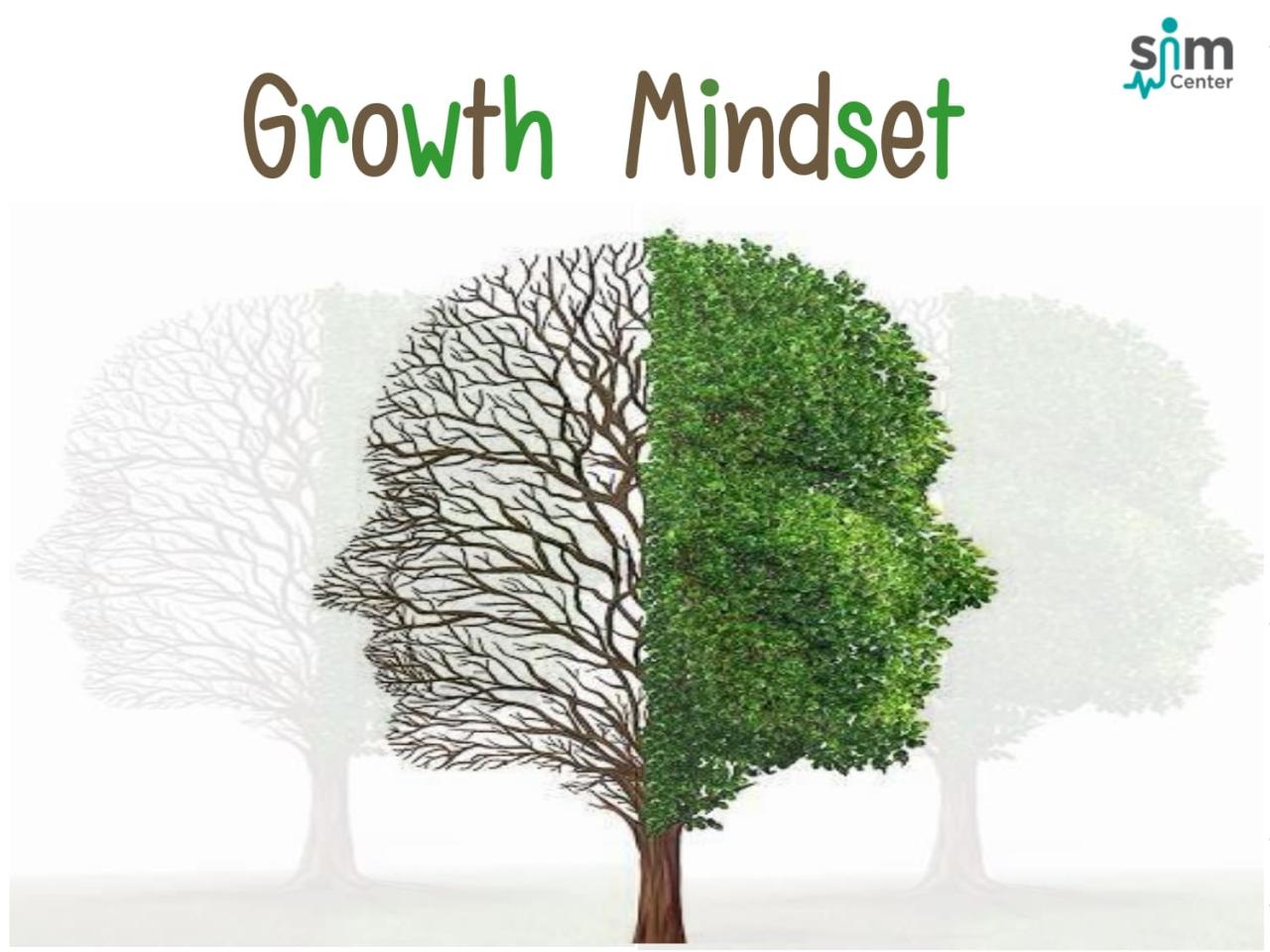
The concept of a growth mindset, popularized by psychologist Carol Dweck, is essential for personal development as it emphasizes the belief that abilities and intelligence can be developed through dedication and hard work. This perspective fosters a love for learning and resilience, crucial attributes for overcoming challenges and achieving long-term goals. In contrast, a fixed mindset maintains that talents and intelligence are static, potentially hindering personal growth and success.A growth mindset distinctly contrasts with a fixed mindset in several key ways.
Individuals with a fixed mindset believe that their qualities are set traits; they avoid challenges, give up easily, and see effort as fruitless. They view feedback as criticism and feel threatened by the success of others. In contrast, those with a growth mindset embrace challenges, persist in the face of setbacks, and view effort as a pathway to mastery. They see feedback as a constructive tool and are inspired by the success of others, viewing it as a potential roadmap for their own development.
Psychological foundations of the growth mindset
The psychological underpinnings of the growth mindset are rooted in neuroplasticity, the brain’s ability to reorganize itself by forming new neural connections throughout life. This understanding signifies that with practice and effort, anyone can improve their skills and abilities. The growth mindset enables individuals to cultivate resilience and adaptability, which are critical for navigating life’s ups and downs. Examples of individuals who embody a growth mindset are plentiful.
For instance, Thomas Edison, who famously failed thousands of times before successfully inventing the lightbulb, viewed each failure as a learning opportunity rather than a setback. Similarly, Oprah Winfrey overcame numerous obstacles in her early life and used her experiences to fuel her passion for education and personal growth. Another notable example is J.K. Rowling, whose journey to publishing the Harry Potter series was filled with rejection before it became a global phenomenon.
Each of these individuals demonstrates that embracing a growth mindset can lead to remarkable achievements and transformative personal development.
Identifying the benefits of adopting a growth mindset can help individuals achieve their goals.
Adopting a growth mindset can significantly influence how individuals approach challenges and setbacks. A growth mindset, which emphasizes the belief that abilities and intelligence can be developed through dedication and hard work, fosters a love for learning and resilience. This perspective not only shapes personal development but also plays a critical role in achieving both academic and professional goals.Research shows that individuals with a growth mindset tend to perform better academically and in their careers.
For instance, a study conducted by Dweck and her colleagues found that students who were taught to adopt a growth mindset significantly improved their grades over time compared to those who were not exposed to this concept. Furthermore, a report by the National Bureau of Economic Research indicated that implementing growth mindset interventions in schools can lead to improved student performance, with gains in standardized test scores being measurable.
Positive impacts on learning and resilience
The benefits of a growth mindset extend far beyond mere academic success; they positively impact various skills essential for personal and professional growth. A growth mindset encourages individuals to embrace challenges, which in turn fosters resilience. When faced with obstacles, those who view failure as a stepping stone rather than a setback are more likely to persist. This resilience is key in enhancing overall learning experiences.
The following skills are notably enhanced through the adoption of a growth mindset:
- Adaptability: Individuals become more flexible in their thinking and are better equipped to adjust to new circumstances or unexpected changes. This adaptability is crucial in fast-paced environments, especially in fields like technology and business.
- Problem-solving: A growth mindset encourages analytical thinking and creativity in tackling problems. People are more likely to explore multiple solutions rather than settling for the first answer that comes to mind, leading to innovative outcomes.
- Perseverance: The belief that effort leads to improvement fosters determination. Individuals are more likely to stick with difficult tasks until they find a suitable solution, which is particularly beneficial in both academic and professional contexts.
- Collaboration: Those with a growth mindset are often more open to feedback and collaboration, understanding that collective knowledge and diverse perspectives can lead to better outcomes.
It is essential to recognize that the shift towards a growth mindset is not merely an abstract concept. Numerous successful organizations, such as Google and Microsoft, have implemented growth mindset principles within their teams, which has resulted in increased employee engagement and innovation. These practices not only enhance individual performance but contribute to a more dynamic and resilient organizational culture, ultimately driving success and achievement.
Exploring practical strategies for cultivating a growth mindset can lead to sustainable change.

Fostering a growth mindset is an ongoing journey that involves intentional effort and a willingness to embrace challenges. This mindset encourages individuals to believe that their abilities and intelligence can be developed through dedication, hard work, and constructive feedback. As we explore practical strategies for cultivating a growth mindset, we will discover actionable steps that can be woven into daily routines, ultimately leading to sustainable change in both personal and professional contexts.
Methods to Foster a Growth Mindset
Creating an environment that nurtures a growth mindset can significantly influence attitudes and behaviors. Here are several effective methods to implement:
- Embrace Challenges: Actively seek out new challenges that push you outside your comfort zone. Engaging with difficult tasks fosters resilience and adaptability.
- Set Learning Goals: Instead of focusing solely on performance outcomes, set specific goals aimed at learning and personal development. This encourages an ongoing journey of improvement.
- Practice Reflection: Regularly take time to reflect on your experiences, successes, and failures. Consider what you learned from each situation and how you can apply this knowledge moving forward.
- Encourage Collaboration: Surround yourself with individuals who support and challenge you. Collaborating with others can provide fresh perspectives and foster collective growth.
- Adopt a Positive Language: Use language that promotes growth and learning. Phrases like “I can improve with practice” reinforce the belief in development over time.
Integrating Growth Mindset Principles into Daily Routines
Incorporating growth mindset principles into daily life can be achieved through simple, consistent actions. The following steps can help to create a mindset shift:
- Daily Affirmations: Start each day with affirmations that reinforce your commitment to learning and improvement. This sets a positive tone for the day ahead.
- Regular Feedback Sessions: Schedule time for feedback from peers and mentors. Constructive feedback should be viewed as a valuable resource for growth rather than criticism.
- Mindfulness Practice: Engage in mindfulness activities, such as meditation or journaling, to cultivate self-awareness and acknowledge areas for growth without judgment.
- Celebrate Effort, Not Just Success: Recognize and celebrate the effort put into tasks, regardless of the outcome. This helps to build resilience and reinforces the value of hard work.
Importance of Feedback in Developing a Growth Mindset
Feedback is a crucial element in the development of a growth mindset. It provides insights that promote continuous learning and improvement.
“Feedback is the breakfast of champions.”
Ken Blanchard
Using feedback constructively involves several key practices:
- Solicit Specific Feedback: Ask for detailed feedback that addresses specific areas of performance. This allows individuals to gain clarity on how to improve.
- Practice Active Listening: When receiving feedback, listen without defensiveness. Understanding differing viewpoints can enhance personal growth.
- Apply Feedback Thoughtfully: Take time to process feedback and consider how it can be integrated into future efforts. This transforms feedback into actionable steps for growth.
- Provide Constructive Feedback to Others: When giving feedback, focus on specific behaviors and outcomes that can be improved, fostering a supportive environment for growth.
Analyzing the role of failure in the growth mindset provides insight into its transformative power.
Embracing failure is often seen as a daunting prospect, yet it plays a crucial role in fostering a growth mindset. When individuals approach failure not as a setback but as a stepping stone, they unlock the potential for growth and innovation. The transformative power of failure lies in its ability to teach valuable lessons, inspire resilience, and encourage creative solutions.
By analyzing the relationship between failure and the growth mindset, we can understand how embracing failure can lead to personal and professional development.Failure is not merely a negative experience; it is a catalyst for learning. When we fail, we are presented with an opportunity to reflect on our actions, analyze what went wrong, and make necessary adjustments. This process encourages a mindset that values effort over innate ability.
For instance, Thomas Edison famously stated, “I have not failed. I’ve just found 10,000 ways that won’t work.” His relentless pursuit of innovation, despite numerous failures, ultimately led to the invention of the lightbulb. Edison’s journey exemplifies how failures can lead to breakthroughs, demonstrating that innovation often thrives in the wake of setbacks.
Comparing Mindsets: Fixed vs. Growth
The approach to failure significantly differs between individuals with a fixed mindset and those with a growth mindset. Understanding these differences sheds light on how one’s perspective can influence personal development.Individuals with a fixed mindset view failure as a reflection of their intelligence or capability. They often fear failure, leading to a reluctance to take risks or push their boundaries.
This fear can result in stagnation, as they may shy away from challenges that could lead to growth. Their focus is primarily on validation and proving themselves, which can create a cycle of avoidance rather than learning.Conversely, individuals with a growth mindset embrace failure as an essential part of the learning process. They understand that failure is not a definitive endpoint but a valuable source of information.
This mindset encourages experimentation and resilience. For example, J.K. Rowling, the author of the Harry Potter series, faced numerous rejections from publishers before finally achieving monumental success. Her journey illustrates how a growth mindset allows individuals to view failures as lessons that pave the way for future success.To summarize, the role of failure in the growth mindset is transformative. By embracing failure, individuals can learn from their experiences, foster resilience, and ultimately innovate in ways they may never have imagined.
The stark contrast between fixed and growth mindsets highlights how our perceptions of failure can significantly impact our paths to personal and professional development. Recognizing the power of failure can lead us to cultivate a mindset that thrives on challenges, propelling us forward in our endeavors.
Investigating how educators can instill a growth mindset in students will enhance learning environments.
To create learning environments that foster growth and resilience, educators must actively cultivate a growth mindset among their students. This involves equipping learners with the belief that their abilities can be developed through dedication and hard work. By embracing challenges and viewing failures as opportunities for growth, students can reach their full potential.
Teaching Strategies that Promote a Growth Mindset
Implementing effective teaching strategies is essential for instilling a growth mindset in students. These strategies can help learners recognize their potential and embrace challenges. The following approaches have proven to be effective:
- Encouraging Self-Reflection: Students should regularly engage in self-reflection to assess their learning processes, recognizing both their strengths and areas for improvement. This practice helps them understand that effort leads to growth.
- Emphasizing Process Over Results: Educators can promote the importance of effort by praising the learning process rather than just the final outcomes. Acknowledging hard work reinforces the idea that success comes from perseverance.
- Modeling a Growth Mindset: Teachers should demonstrate their own growth mindset by sharing personal stories of challenges and failures, illustrating how they learned and improved from those experiences.
- Providing Constructive Feedback: Instead of giving vague praise, offering specific feedback that highlights areas for improvement encourages students to adopt a learning-oriented perspective.
- Incorporating Goal-Setting Activities: Encouraging students to set achievable, incremental goals helps them focus on their progress and the steps needed to reach their aspirations.
Importance of a Supportive Classroom Culture
Creating a supportive classroom culture is fundamental for nurturing a growth mindset. When students feel safe to take risks and make mistakes, they are more likely to engage fully in their learning. Essential components of this culture include:
- Building Trust: Establishing strong relationships between students and teachers fosters trust, allowing students to express their ideas and concerns without fear of judgment.
- Encouraging Collaboration: Group work promotes teamwork and exposes students to different perspectives, which can enhance their problem-solving skills and resilience.
- Normalizing Mistakes: Educators should create an environment where mistakes are viewed as a natural part of the learning process, helping students understand that errors are steps toward mastery.
- Celebrating Effort and Progress: Recognizing and celebrating improvement, regardless of the level of achievement, encourages students to appreciate their hard work and motivates them to try harder.
Successful Programs and Initiatives
Numerous programs and initiatives have successfully fostered a growth mindset in educational settings. These examples showcase how structured approaches can lead to positive outcomes.
- The Mindset Scholars Network: This initiative focuses on enhancing educational practices by integrating growth mindset principles into teacher training and curriculum development. Schools involved have reported improved student engagement and academic performance.
- Growth Mindset Workshops: Many educational institutions offer workshops that train teachers on how to effectively implement growth mindset strategies in their classrooms. These programs often involve hands-on activities, role-playing, and reflections on teaching practices.
- Mindset Intervention Programs: Research-based interventions, such as the one developed by psychologists at Stanford University, have been implemented in various schools. These programs help students understand the power of their mindset, leading to improved grades and overall attitudes toward learning.
- The Character Lab: This initiative collaborates with educators to develop and implement curricula that promote social-emotional skills, including growth mindset principles, enhancing student resilience and academic success.
“The view you adopt for yourself profoundly affects the way you lead your life.”Carol S. Dweck
The influence of social environments on the development of a growth mindset is crucial for holistic growth.
The social environments in which individuals operate play a significant role in shaping their mindsets. Family dynamics and peer interactions create a framework within which growth-oriented thinking can either flourish or falter. Understanding these influences is essential for fostering a culture where individuals feel safe to explore, learn, and thrive. Family dynamics significantly impact the development of a growth mindset.
Parents who encourage effort, embrace challenges, and view failures as learning opportunities cultivate resilience in their children. In contrast, families that prioritize achievement over learning may foster a fixed mindset, where mistakes are feared rather than viewed as a natural part of growth. Peer interactions also play a pivotal role; friends who support one another’s ambitions and encourage taking risks can create a powerful environment for growth.
Impact of Family Dynamics on Mindset Orientation
The dynamics within a family can either reinforce or undermine a growth mindset. Parents who model a growth-oriented approach contribute to their children’s willingness to embrace challenges. The following aspects are crucial in nurturing a growth mindset at home:
- Encouragement of Effort: Recognizing and praising effort, not just outcomes, helps children understand the value of hard work.
- Open Communication: Creating a space where children can express their thoughts and feelings fosters a sense of belonging and security, promoting a willingness to take risks.
- Modeling Resilience: When parents share their own challenges and how they overcame them, it instills a belief that perseverance leads to growth.
- Growth-Focused Language: Using language that emphasizes growth potential, such as “You can learn this” instead of “This is too hard for you,” changes the narrative around challenges.
Peer Interactions and Supportive Networks
Peer relationships significantly influence mindset development. Friends who share a growth-oriented perspective can motivate each other and create a collaborative learning environment. Building a supportive network involves:
- Choosing Positive Influences: Surrounding oneself with individuals who celebrate growth, share knowledge, and support each other’s pursuits is vital.
- Engaging in Collaborative Learning: Participating in group activities or study sessions promotes shared learning experiences, enhancing motivation and accountability.
- Providing Constructive Feedback: Friends should offer feedback that encourages improvement and growth rather than criticism that fosters a fixed mindset.
Community Resources and Programs
Community resources play an essential role in promoting a growth mindset among individuals of all ages. Many organizations offer programs focused on personal development and lifelong learning. Some valuable resources include:
- Workshops and Seminars: Many community centers and libraries host workshops that focus on resilience, goal-setting, and personal development skills.
- Mentorship Programs: Connecting with mentors can provide guidance and encouragement, helping individuals navigate challenges while reinforcing growth-oriented thinking.
- Support Groups: Joining groups focused on personal growth, such as book clubs or learning circles, fosters discussion and support among like-minded individuals.
- Online Platforms: Various online platforms provide courses and resources aimed at developing a growth mindset, accessible to people of all ages.
Creating a personal action plan for developing a growth mindset will facilitate continuous self-improvement.
The journey towards cultivating a growth mindset requires a structured approach, and a personal action plan serves as a roadmap for continuous self-improvement. This plan not only Artikels your aspirations but also identifies actionable steps to foster a mindset that embraces learning and resilience. In this section, we will explore the key components of an effective personal development plan, the significance of goal-setting and reflection, and provide practical templates to guide you in creating your own action plan.
Key Components of an Effective Personal Development Plan
An effective personal development plan tailored towards a growth mindset includes several critical elements. Each component plays a vital role in ensuring the plan remains actionable and aligned with one’s goals. Here are the essential components:
- Self-Assessment: Begin with a thorough evaluation of your current skills, strengths, and areas for improvement. This self-assessment helps identify where growth is needed.
- Goals and Objectives: Set SMART (Specific, Measurable, Achievable, Relevant, Time-bound) goals that challenge you while remaining attainable.
- Strategies for Growth: Artikel specific strategies that you will employ to achieve your goals. This could include pursuing further education, seeking mentorship, or practicing new skills.
- Resources and Support: Identify resources such as books, courses, or networking opportunities and seek support from peers or mentors who can encourage your growth.
- Timeline: Establish a realistic timeline for achieving your goals, which helps maintain focus and accountability.
The Importance of Goal-Setting and Reflection
Goal-setting and reflection are fundamental practices for maintaining a growth-oriented approach. They create a structured environment that facilitates learning and adjustment. Setting meaningful goals provides clarity and direction, ensuring that efforts are concentrated on areas that require development. Reflection, on the other hand, is crucial for evaluating progress and making necessary adjustments to the action plan. Consider incorporating the following practices into your routine:
- Regular Progress Checks: Schedule regular intervals to review your progress towards goals. This helps in recognizing achievements and areas needing adjustment.
- Journaling: Maintain a growth journal to document experiences and insights gained during the learning process. This encourages self-reflection and awareness.
- Feedback Mechanisms: Seek feedback from peers or mentors to gain external perspectives on your growth journey. Constructive feedback can provide valuable insights for improvement.
Templates and Frameworks for Crafting Action Plans
Creating a structured action plan can be simplified using various templates and frameworks. Below is a basic framework that can guide individuals in their personal development journey:
| Component | Description |
|---|---|
| Self-Assessment | Conduct a SWOT analysis (Strengths, Weaknesses, Opportunities, Threats) to understand your current position. |
| Goals | Define 2-3 key growth goals using the SMART criteria. |
| Action Steps | List actionable steps for each goal, including timelines and resources needed. |
| Reflection Points | Identify specific moments for reflection and adjustment of your action plan. |
By utilizing this framework, individuals can systematically approach their personal development with a focus on fostering a growth mindset, which is crucial for ongoing self-improvement.
“A growth mindset is not just about being optimistic; it’s about seeing challenges as opportunities for learning.”

Hi, I’m Lauren. As a digital enthusiast and storyteller, I love breaking down complex ideas into easy-to-read articles. My goal is to provide readers with fresh perspectives and helpful solutions through every piece I write.



![Top Tips to Achieve Work Life Balance [INFOGRAPHIC] - Learnist.org](https://career.hotel.or.id/wp-content/uploads/2026/04/stephen-covey-quote-image-1024x1024-1-390x220.png)