As Burnout Prevention takes center stage, it’s crucial to understand the myriad factors contributing to this pervasive issue in today’s fast-paced work environment. Various professions face unique challenges that can lead to feelings of exhaustion and disengagement, making it essential to recognize the signs of burnout before it escalates. By delving into the causes and consequences of burnout, we can explore effective strategies for maintaining mental well-being and fostering a supportive workplace culture.
This discussion will cover the importance of self-care practices, time management techniques, and the role of physical health in preventing burnout. Additionally, we’ll explore how building resilience and achieving a work-life balance are vital components in combating this increasingly common phenomenon. Through shared insights and practical advice, we aim to empower individuals and organizations alike to adopt proactive measures in safeguarding against burnout.






Understanding the Causes of Burnout in Various Professions
Burnout is a pervasive issue that crosses various professions, affecting individuals deeply and significantly. Understanding the causes of burnout is essential for addressing it effectively. Multiple factors contribute to burnout, including work-related stressors, personal circumstances, and the broader environment in which professionals operate. Each profession has its unique challenges, leading to distinct patterns of burnout.Various factors contribute to burnout across different job sectors.
For instance, high-pressure environments such as healthcare and finance often lead to chronic stress due to demanding workloads and heightened responsibility. In creative fields like advertising or design, the pressure for constant innovation can result in emotional exhaustion. Psychological influences, such as perfectionism and a lack of autonomy, also play a significant role. Furthermore, environmental factors like inadequate resources, poor management support, and a lack of work-life balance exacerbate feelings of exhaustion, making it essential to recognize and address these influences.
Signs and Symptoms of Burnout
Identifying the signs and symptoms of burnout is crucial for timely intervention and support. Burnout manifests differently compared to standard work-related stress, often leading to emotional, physical, and behavioral changes. The common symptoms of burnout include:
- Chronic fatigue: A persistent state of physical and emotional exhaustion that doesn’t improve with rest.
- Detachment: Increased feelings of cynicism and detachment from work, leading to a lack of engagement.
- Reduced performance: A noticeable decline in performance and productivity, often accompanied by feelings of ineffectiveness.
- Physical symptoms: Headaches, gastrointestinal issues, and sleep disturbances are common physical manifestations.
It is important to acknowledge that burnout differs from typical stress. While stress might lead to a temporary feeling of being overwhelmed, burnout is a prolonged state that can lead to significant personal and professional consequences.
“Burnout is not the result of working too hard; it stems from working too hard on the wrong things.”
Recognizing and addressing these signs early on is vital for preventing further deterioration of mental health and overall well-being. By being aware of the unique pressures in various professions, individuals and organizations can implement strategies to mitigate the risk of burnout, ensuring a healthier and more productive work environment.
The Importance of Self-Care in Preventing Burnout
In the fast-paced world we live in, prioritizing self-care has become essential for maintaining mental and emotional well-being. Self-care practices empower individuals to recharge and rejuvenate, significantly reducing the risk of burnout. By integrating self-care into daily routines, individuals can cultivate a healthier work-life balance and foster resilience against stressors.Self-care encompasses various activities that promote physical, mental, and emotional health.
These practices are not just indulgent luxuries but vital components in preventing burnout. Effective self-care strategies can include regular physical activity, healthy eating, adequate sleep, and engaging in hobbies that bring joy. These elements not only improve overall health but also enhance mood and energy levels, which are crucial in combating burnout.
Effective Self-Care Practices
Incorporating self-care into your daily routine can be straightforward and enjoyable. Here are some effective self-care practices worth considering:
- Regular Exercise: Engaging in physical activity releases endorphins and helps alleviate stress. Activities like walking, yoga, or cycling can greatly enhance mood and energy.
- Healthy Eating: A balanced diet rich in fruits, vegetables, and whole grains fuels the body and mind, providing the necessary nutrients to combat fatigue.
- Pursuing Hobbies: Allocating time for hobbies or interests can serve as a creative outlet and a means to disconnect from daily stressors.
- Social Connections: Nurturing relationships with friends and family can provide emotional support and increase feelings of belonging, essential for mental well-being.
- Quality Sleep: Prioritizing sleep is crucial for recovery and cognitive function. Establishing a consistent sleep schedule can promote better rest.
Mindfulness and Relaxation Techniques
Mindfulness and relaxation techniques play a significant role in enhancing mental health and preventing burnout. These practices encourage individuals to focus on the present moment and can help reduce anxiety and stress.Incorporating mindfulness into daily life can be as simple as practicing deep breathing exercises, meditation, or engaging in mindful walks. These activities help to ground individuals, allowing them to step back from overwhelming thoughts and emotions.
Mindfulness is about paying attention in a particular way: on purpose, in the present moment, and non-judgmentally.
Relaxation techniques, such as progressive muscle relaxation or guided imagery, can also effectively alleviate tension. These methods promote a state of calm and help manage stress responses. Research shows that individuals who practice mindfulness regularly report lower levels of anxiety and increased overall well-being.
Personal Stories of Successful Self-Care Strategies
Real-life experiences can illustrate the impact of effective self-care. For example, Sarah, a marketing executive, found herself on the brink of burnout due to long hours and high expectations. She decided to integrate a morning routine that included yoga and journaling. Over time, this practice not only improved her mood but also enhanced her productivity at work.Similarly, Mike, a freelance writer, struggled with isolation and stress from irregular income.
He established a weekly meetup with fellow writers to share ideas and provide support. This social connection not only helped alleviate feelings of isolation but also reignited his passion for writing.These stories underscore the importance of self-care in sustaining mental health and preventing burnout. By adopting simple yet effective strategies, individuals can create a buffer against the challenges they face and cultivate a more fulfilling life.
Creating a Supportive Work Environment to Combat Burnout
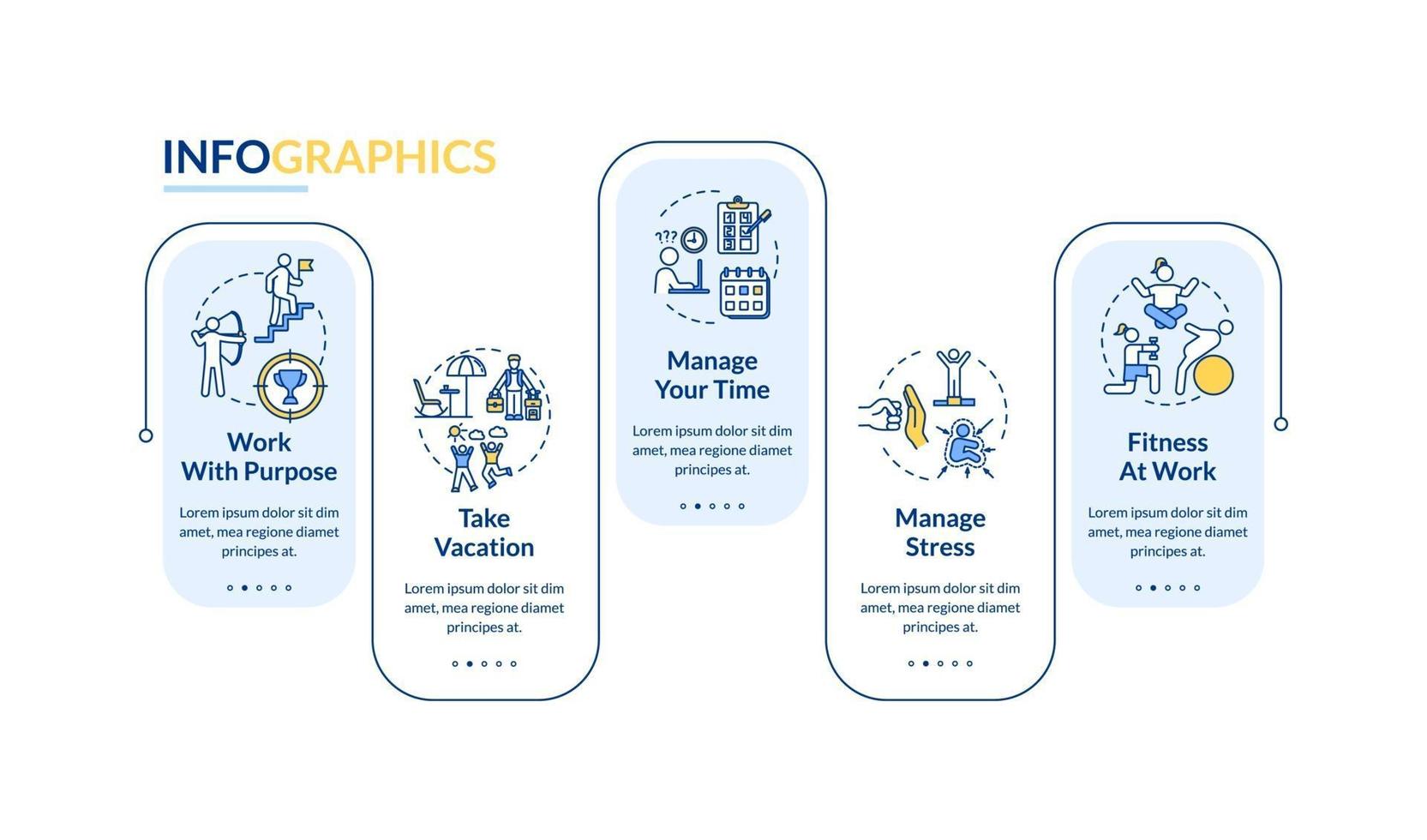
Creating a supportive work environment is crucial in preventing employee burnout. A workplace culture that prioritizes well-being not only enhances productivity but also fosters job satisfaction and loyalty among employees. This culture should be built on values that support mental health and encourage open communication.A workplace culture that promotes employee well-being incorporates several key elements. Firstly, it encourages open communication between employees and management, allowing staff to voice concerns without fear of repercussions.
Additionally, a focus on work-life balance is essential; this can be achieved by offering flexible working hours or remote work options. Another vital component is recognition of employee contributions, as feeling valued significantly boosts morale.
Management’s Role in Recognizing and Addressing Burnout
Management plays a pivotal role in identifying and addressing burnout among staff. They must be attuned to signs of burnout, which can include decreased performance, increased absenteeism, and changes in behavior. By fostering an environment where employees feel comfortable sharing their stressors, management can better understand individual and team challenges. To facilitate this, regular check-ins and performance reviews can be implemented.
These allow managers to gauge employee well-being and provide necessary support. Training sessions on recognizing burnout for management can create a more proactive approach to mental health in the workplace.
Framework for Employee Support Systems
Developing a structured framework for employee support systems is essential in combating burnout. This framework should include mentoring programs and feedback mechanisms that foster growth and well-being.Mentoring programs can provide employees with guidance and support from more experienced colleagues, promoting personal and professional development. These relationships encourage knowledge sharing and can help alleviate feelings of isolation. In addition, regular feedback sessions are crucial.
Constructive feedback helps employees understand their strengths and areas for improvement, aiding in skill development and job satisfaction. Establishing an atmosphere where feedback is a two-way street can enhance relationships between staff and management.
“Supporting employees is not just a responsibility; it’s a pathway to a healthier, more productive workplace.”
By integrating these elements, organizations can create a comprehensive support system that addresses the needs of employees, ultimately reducing the risk of burnout and promoting a thriving workplace culture.
Time Management Techniques to Prevent Burnout
Effective time management is essential for maintaining a healthy work-life balance and preventing burnout. By organizing tasks, prioritizing responsibilities, and scheduling breaks, individuals can reduce stress and improve productivity. Implementing strategic time management techniques not only helps in achieving professional goals but also enhances personal well-being.Prioritization and scheduling are crucial components in avoiding burnout. When individuals identify their most important tasks and allocate time effectively, they can focus their energy on what truly matters.
This prevents the overwhelming feeling that often leads to burnout. A clear schedule allows for dedicated time to work, rest, and engage in personal activities, creating a balanced routine that supports mental health.
Effective Prioritization Strategies
Understanding how to prioritize tasks can significantly enhance productivity and reduce stress. The following strategies can help individuals prioritize effectively:
- The Eisenhower Matrix: This tool categorizes tasks into four quadrants based on urgency and importance, helping users decide which tasks to focus on first.
- ABC Method: Assigning A (high importance), B (medium importance), or C (low importance) to tasks can clarify priorities and guide daily activities.
- Time Blocking: Allocating specific blocks of time to different tasks or types of work can ensure dedicated focus and reduce distractions.
Scheduling Techniques for Better Time Management
Creating a schedule that accommodates both work and personal life is vital in preventing burnout. Here are some effective scheduling techniques:
- Daily Planner: Utilizing a daily planner, either digital or paper, helps individuals visualize their day and allocate time for all activities, including breaks and personal time.
- Pomodoro Technique: This method involves working in focused bursts of 25 minutes followed by a 5-minute break, enhancing concentration and reducing fatigue.
- Weekly Reviews: Setting aside time each week to review accomplishments and adjust the upcoming week’s schedule can provide a sense of control and accomplishment.
Tools and Apps for Time Management
Several tools and applications can aid in effective time management, making it easier to balance work and personal commitments. Here are some notable options:
- Trello: This project management tool uses boards and cards to help users organize tasks visually, making prioritization straightforward.
- Todoist: A to-do list application that allows users to categorize tasks and set deadlines, improving task management and organization.
- Google Calendar: A widely used scheduling tool that enables users to plan their days, set reminders, and share calendars for better coordination.
“Time is what we want most, but what we use worst.” – William Penn
The Role of Physical Health in Burnout Prevention
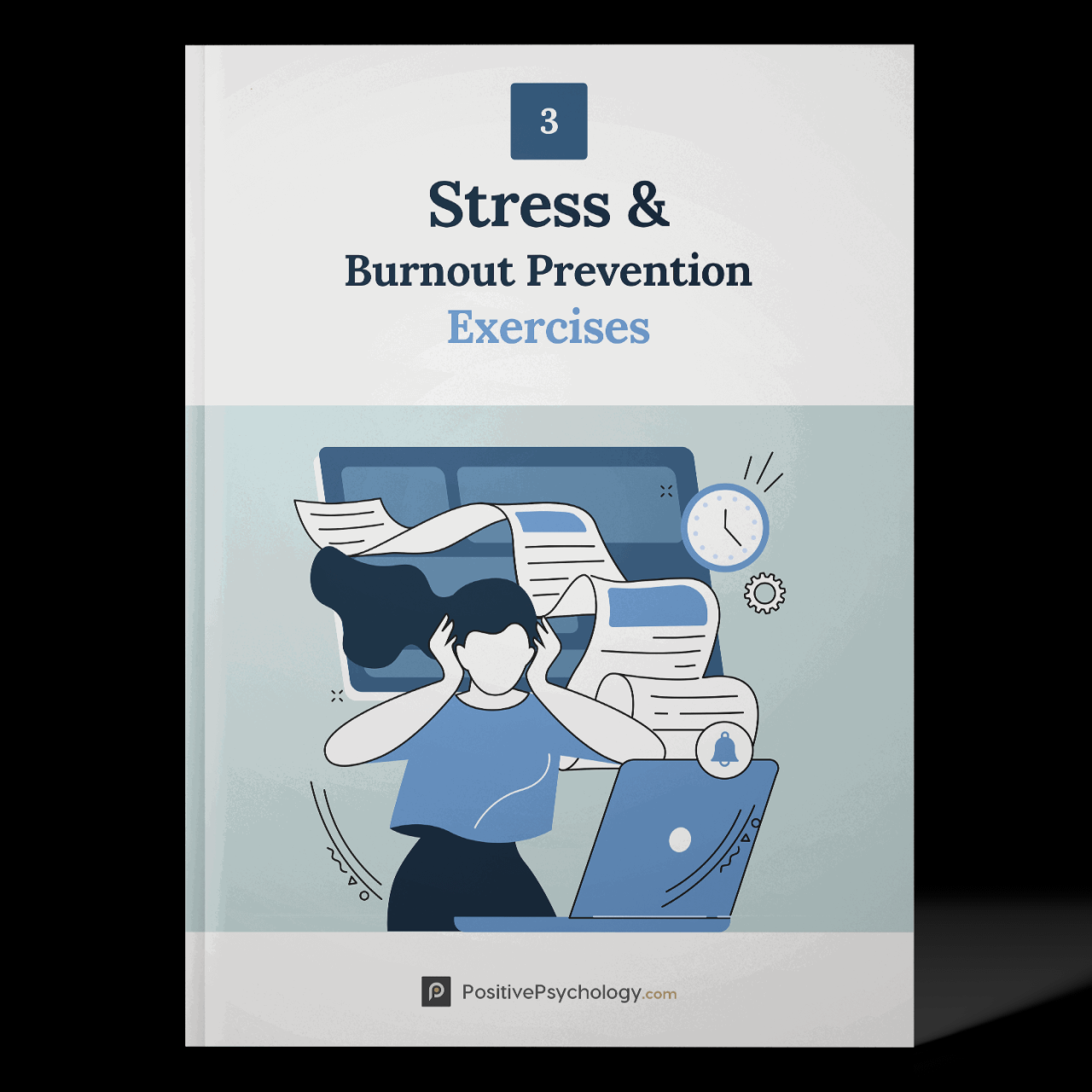
Maintaining physical health is a crucial element in preventing burnout, as it directly influences mental resilience. When our bodies are in good shape, our minds are better equipped to handle stress and challenges. This connection highlights why a holistic approach to health can be the first line of defense against burnout.Engaging in regular physical activity and adopting nutritious dietary habits play significant roles in enhancing overall well-being.
Exercise not only improves physical fitness but also boosts mood and reduces anxiety. Consuming a balanced diet rich in vitamins and minerals is essential for brain health and energy levels, further supporting mental resilience.
Dietary Habits and Exercise Routines
Establishing healthy dietary habits and a consistent exercise routine can significantly contribute to burnout prevention. The body’s energy levels and mood are closely tied to what we eat and how active we are. A few key dietary habits that can enhance physical health include:
- Incorporating a variety of fruits and vegetables to ensure a wide range of nutrients.
- Choosing whole grains over refined carbohydrates to maintain stable energy levels.
- Including lean proteins, such as fish, chicken, and legumes, to support muscle health and recovery.
- Staying hydrated by drinking sufficient water throughout the day.
Regular physical activity is equally vital. Recommended exercise routines can include:
- Engaging in aerobic activities like walking, running, or cycling for at least 150 minutes weekly to improve cardiovascular health.
- Incorporating strength training exercises twice a week to build muscle and boost metabolism.
- Practicing relaxation techniques like yoga or tai chi to enhance flexibility and reduce stress.
Importance of Adequate Sleep
Adequate sleep is foundational to maintaining physical health and managing stress levels. Sleep plays a crucial role in cognitive function, emotional regulation, and physical recovery. Chronic sleep deprivation can lead to heightened stress, reduced focus, and increased susceptibility to burnout.Key aspects of sleep’s impact on health include:
- Improved memory and learning capacity, which can enhance problem-solving skills and adaptability in stressful situations.
- Regulated mood and emotional responses, leading to better handling of daily challenges.
- Enhanced immune function, which protects the body from illness and fatigue.
Incorporating a consistent sleep schedule and creating a calming bedtime routine can promote better sleep hygiene. Establishing these habits can lead to significant improvements in both physical and mental resilience, ultimately serving as a buffer against burnout.
Building Resilience to Fight Against Burnout
Resilience is the ability to bounce back from setbacks, adapt to challenging circumstances, and thrive despite adversity. In the context of burnout, building resilience becomes essential as it allows individuals to cope with stressors effectively, preventing them from becoming overwhelmed. Resilience is not a fixed trait; rather, it is a dynamic quality that can be cultivated through practice and intentional strategies.Understanding resilience helps to highlight its significance in managing stressors.
Resilient individuals tend to experience less severe levels of burnout compared to those who lack such adaptability. This is largely due to their ability to maintain a positive outlook, seek support when necessary, and view challenges as opportunities for growth. In fact, research indicates that individuals who exhibit higher resilience are better equipped to manage workplace stress, leading to improved mental well-being and job performance.
Exercises and Strategies to Build Resilience
Incorporating practical exercises and strategies into daily life can significantly enhance resilience. These practices not only help in managing stress but also foster a sense of agency and control over one’s circumstances. The following strategies are effective in building resilience:
- Practice Mindfulness: Engaging in mindfulness meditation or breathing exercises allows individuals to stay grounded in the present moment, reducing anxiety and promoting emotional regulation.
- Develop a Support Network: Surrounding oneself with supportive friends, family, or colleagues provides a safety net during challenging times. Sharing experiences and seeking advice can alleviate feelings of isolation.
- Set Realistic Goals: Establishing achievable goals fosters a sense of accomplishment. Breaking larger tasks into smaller, manageable steps can prevent feelings of being overwhelmed.
- Maintain a Healthy Lifestyle: Regular physical activity, a balanced diet, and adequate sleep are foundational to resilience. These factors contribute to overall mental and physical health, making it easier to cope with stress.
- Embrace Change: Developing flexibility in thinking and behavior can enhance adaptability. Viewing change as an opportunity to learn rather than an obstacle can lead to personal growth.
The comparison of resilience levels among individuals facing similar stressors often reveals varied outcomes. For instance, two employees may experience high workloads and tight deadlines, yet their reactions can differ significantly based on their resilience. A resilient employee may employ effective coping strategies, seek support, and maintain productivity, while a less resilient counterpart may succumb to stress and experience burnout.
This disparity emphasizes that resilience can act as a buffer, influencing not only individual well-being but also overall job performance and satisfaction.
“Resilience is not about avoiding stress; it’s about how we respond to it.”
The Impact of Work-Life Balance on Employee Well-Being

Achieving a healthy work-life balance is crucial for employees’ overall well-being and productivity. It helps to mitigate stress and enhance job satisfaction, thereby playing a significant role in preventing burnout. When employees can manage their personal and professional responsibilities effectively, they are more likely to feel fulfilled and engaged in their work.Work-life balance is not just a buzzword; it is a critical factor in maintaining employee well-being.
Research indicates that employees who achieve a balance between their work and personal lives experience lower levels of stress and are less susceptible to burnout. A comprehensive analysis shows that a positive work-life balance enhances job satisfaction and promotes mental health, leading to a productive workforce.
Common Challenges to Achieving Work-Life Balance
Numerous challenges hinder the attainment of a proper work-life balance. Understanding these challenges is essential for organizations aiming to support their employees effectively. Here are some of the most prevalent obstacles faced by employees:
- High Work Demands: Many employees face excessive workloads that leave little time for personal pursuits. This imbalance can lead to fatigue and decreased morale.
- Lack of Flexible Work Arrangements: Rigid schedules can make it difficult for employees to manage personal commitments, such as family responsibilities or health needs, which may result in increased stress.
- Digital Connectivity: The expectation to be constantly available due to technology blurs the lines between work and home life, making it challenging to disconnect and recharge.
- Employee Culture: In workplaces where long hours are celebrated, employees may feel pressured to prioritize work over their personal lives, leading to chronic stress.
- Insufficient Resources: A lack of support systems, such as mental health resources or employee assistance programs, can leave employees feeling overwhelmed and unsupported.
“Balancing work and life is not just a personal preference; it’s a business necessity.”
Success Stories of Organizations Implementing Effective Balance Strategies
Several organizations have successfully implemented strategies that prioritize work-life balance, leading to enhanced employee satisfaction and productivity. These success stories exemplify the positive outcomes of fostering a supportive work environment:
- Google: Renowned for its flexible work policies, Google encourages employees to manage their time effectively. They offer amenities such as wellness programs, on-site fitness facilities, and generous parental leave, resulting in high employee satisfaction and retention rates.
- Salesforce: This company focuses on employee well-being by offering wellness reimbursement programs and encouraging employees to take regular breaks. Their commitment to work-life balance has led to a significant reduction in burnout and increased productivity.
- Microsoft: Microsoft has embraced a results-oriented work environment, allowing employees to set their schedules based on their productivity peaks. This flexibility has fostered a culture of trust and autonomy, empowering employees to achieve a better balance.
- Buffer: A fully remote company, Buffer promotes a healthy work-life balance through transparent communication and policies that encourage time off. Their approach has led to a highly engaged workforce and low turnover rates.
“Organizations that prioritize employee well-being ultimately see higher productivity and satisfaction.”
Seeking Professional Help for Burnout Management
Burnout can deeply affect an individual’s mental and physical well-being, often leading to a decline in productivity, relationships, and overall quality of life. When self-care strategies and coping mechanisms are not enough to alleviate the symptoms of burnout, seeking professional help becomes essential. Recognizing when to reach out for help is a crucial step towards recovery and gaining back control of one’s life.Professional counseling or therapy is essential when burnout symptoms become overwhelming and persistent, affecting daily functioning and emotional health.
Signs that indicate the need for professional intervention include chronic fatigue, irritability, feelings of hopelessness, difficulties in concentration, and an inability to regain motivation. If burnout is leading to physical symptoms such as headaches, gastrointestinal issues, or sleep disturbances, professional support is critical.
Types of Therapeutic Approaches for Burnout
Various therapeutic approaches can be effective in managing burnout, each tailored to address specific needs and circumstances. Here are some common types of therapy available:
- Cognitive Behavioral Therapy (CBT): This approach helps individuals identify and modify negative thought patterns and behaviors that contribute to burnout. By developing healthier coping strategies, clients can change their response to stressors.
- Mindfulness-Based Stress Reduction (MBSR): MBSR focuses on cultivating mindfulness through meditation and awareness practices. This method can help individuals manage stress and promote relaxation, making them less susceptible to burnout.
- Acceptance and Commitment Therapy (ACT): ACT encourages individuals to accept their thoughts and feelings while committing to taking proactive steps towards their values and goals, which can help mitigate feelings of burnout.
- Psychodynamic Therapy: This therapy explores the underlying emotional issues and past experiences that may contribute to current stress and burnout, helping individuals understand their emotional responses better.
Exploring different therapeutic options enables individuals to find the right fit for their unique situation, promoting a more effective recovery.
Finding a Suitable Mental Health Professional
The process of finding a suitable mental health professional is an important step towards effective burnout management. Here are key considerations to keep in mind when searching for support:
- Identify Your Needs: Reflect on your specific symptoms and challenges related to burnout. This clarity can guide you in finding a therapist specializing in those areas.
- Research Credentials: Look for licensed professionals with experience in treating burnout or related issues. Checking their qualifications, areas of expertise, and reviews can provide insight into their approach.
- Consider Therapy Formats: Decide whether you prefer in-person or online therapy. Many professionals now offer telehealth services, providing more flexibility in scheduling and accessibility.
- Schedule Consultations: Many therapists offer initial consultations. Use this opportunity to discuss your concerns, gauge their approach, and determine if you feel comfortable with them.
By carefully navigating these steps, individuals can find a qualified mental health professional who aligns with their needs and supports their journey toward recovery from burnout.
Seeking professional help signifies strength and commitment to personal well-being.

Hi, I’m Lauren. As a digital enthusiast and storyteller, I love breaking down complex ideas into easy-to-read articles. My goal is to provide readers with fresh perspectives and helpful solutions through every piece I write.


![Top Tips to Achieve Work Life Balance [INFOGRAPHIC] - Learnist.org](https://career.hotel.or.id/wp-content/uploads/2026/04/stephen-covey-quote-image-1024x1024-1-390x220.png)