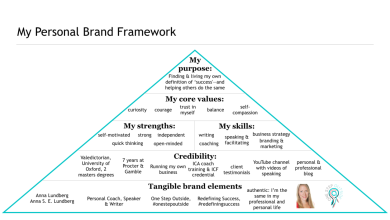
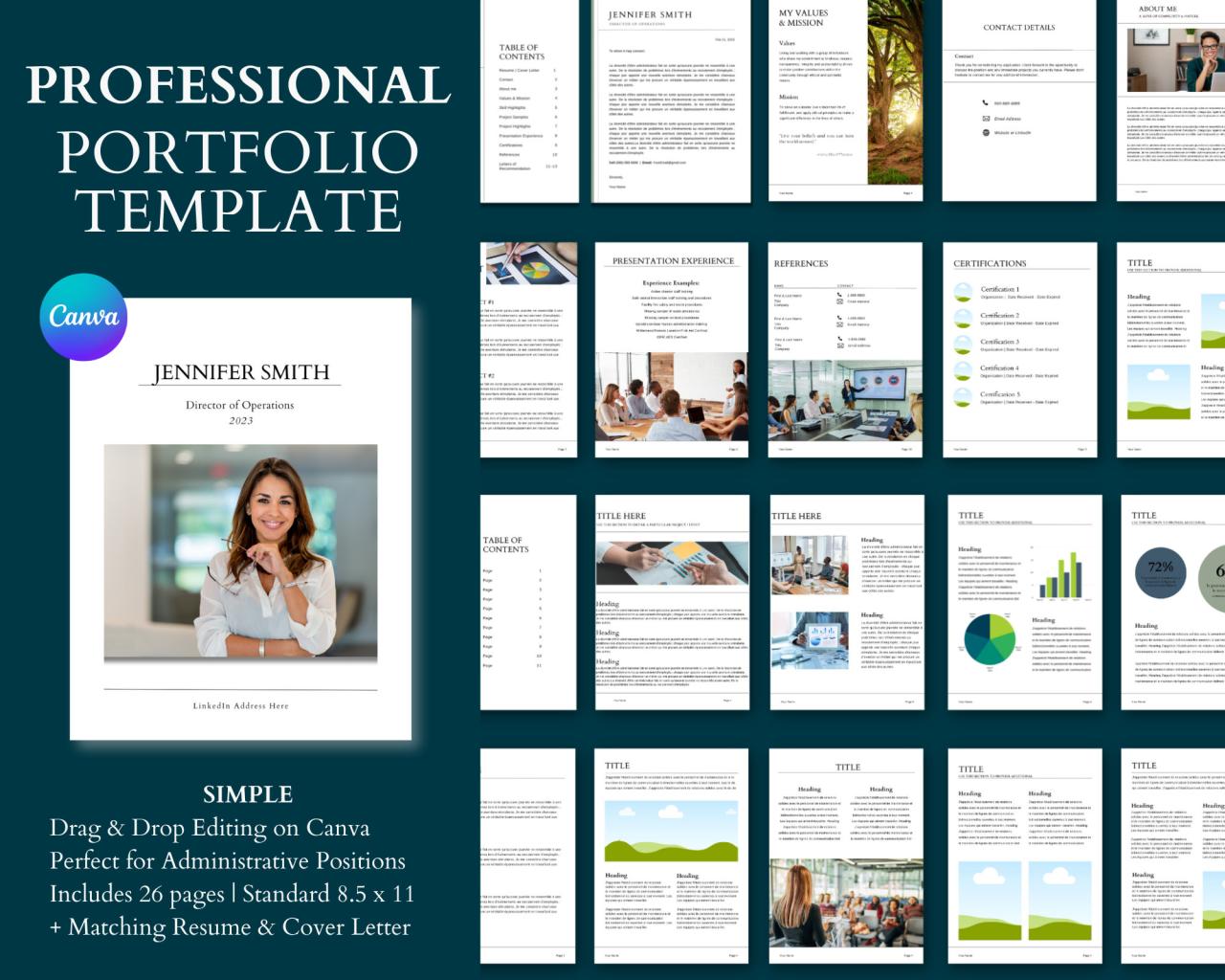
Professional Portfolio serves as a powerful tool that captures the essence of your skills and experiences, making a lasting impression on potential employers. It not only showcases your achievements but also reflects your journey, emphasizing your growth and capabilities in the professional landscape.
A well-crafted portfolio enhances your career opportunities by distinguishing you from other candidates during job applications. It’s especially valued in industries such as design, education, and IT, where tangible evidence of your expertise can dramatically impact hiring decisions.






{The Importance of a Professional Portfolio in Career Advancement}

A professional portfolio serves as a powerful tool for individuals seeking to enhance their career prospects. It is not merely a collection of work samples but a strategic representation of one’s skills, achievements, and professional journey. By showcasing a curated selection of projects, certifications, and experiences, a portfolio can vividly illustrate a candidate’s expertise and readiness for new challenges. This depiction of capabilities can significantly influence hiring decisions and career trajectories in today’s competitive job market.
A well-structured portfolio plays an essential role in distinguishing candidates during the job application process. It provides tangible evidence of one’s accomplishments, helping employers assess skills and suitability beyond what is written on a resume. In industries such as graphic design, web development, architecture, and even education, portfolios are often a critical component of the hiring process. For example, a graphic designer who presents a dynamic portfolio filled with creative projects and client testimonials is more likely to stand out compared to candidates who only submit a resume.
Likewise, in the field of education, teachers with portfolios that include lesson plans, student work samples, and reflections on teaching practices can effectively demonstrate their teaching philosophy and effectiveness.
{Industries Valuing Professional Portfolios}
Certain industries place a higher emphasis on professional portfolios, recognizing their value in evaluating candidates. Some key sectors include:
- Creative Arts: In fields like graphic design, photography, and fine arts, portfolios showcase a candidate’s artistic abilities and style, directly influencing hiring decisions.
- Web Development: Developers present portfolios that include code samples, live projects, and user interface designs to highlight technical skills and project outcomes.
- Education: Educators compile portfolios featuring lesson plans, assessments, and examples of student engagement to demonstrate their teaching effectiveness and philosophies.
- Architecture: Architects use portfolios to exhibit design concepts, project documentation, and successful builds, allowing potential employers to assess their vision and execution capabilities.
- Marketing: Marketers often include case studies and campaign results in their portfolios, showcasing their ability to strategize and deliver impactful marketing solutions.
The impact of a well-crafted portfolio on hiring decisions cannot be overstated. It serves not only as a reflection of an individual’s work but also as a narrative of their professional growth and aspirations. In competitive fields, a portfolio can be the differentiating factor that leads to job offers, promotions, and career advancements. By investing in a professional portfolio, individuals effectively communicate their value and readiness for the next step in their careers.
A professional portfolio is not just a collection of work; it’s a testament to one’s skills, achievements, and potential.
Key Elements to Include in a Successful Professional Portfolio
Creating a professional portfolio is essential for showcasing your skills and expertise, providing potential employers or clients with a clear representation of your capabilities and past work. An effective portfolio should not only highlight your achievements but also illustrate how you can contribute to future projects or positions. A successful professional portfolio typically includes various components that serve to enhance its impact.
These elements collectively demonstrate your competencies, creativity, and professionalism, making a compelling case for your abilities.
Essential Components of a Professional Portfolio
To ensure your portfolio is comprehensive and effective, it should contain the following key components:
- Cover Page: This serves as the first impression and should include your name, contact information, and a professional title or tagline that describes your expertise.
- Table of Contents: A clear and organized table of contents helps guide viewers through your portfolio, making it easier to navigate.
- Resume/CV: Include a current resume or CV that Artikels your education, experience, and skills relevant to your field.
- Work Samples: Showcase a variety of work samples that reflect your best efforts. These could include written documents, design projects, coding examples, or any work relevant to your profession.
- Case Studies: Detailed descriptions of specific projects you’ve worked on can illustrate your problem-solving capabilities and thought processes.
- Testimonials: Quotes or letters of recommendation from previous employers, clients, or colleagues can provide credibility and support for your abilities.
- Professional Development: Include certifications, workshops, or courses that you have completed to demonstrate your commitment to continuous learning.
- Contact Information: Ensure your contact details are easily accessible, allowing viewers to reach out for further discussions or inquiries.
Work Samples That Showcase Skills and Competencies
The work samples you choose to include in your portfolio are critical in portraying your skills and competencies. They serve as tangible evidence of your abilities and accomplishments.Diverse types of work samples can be utilized to display your talents effectively:
- Visual Design Projects: Including images of logos, websites, or marketing materials can showcase your design skills and creativity.
- Written Content: Samples of articles, reports, or essays can highlight your writing skills, research capability, and ability to convey complex ideas clearly.
- Project Documentation: Providing detailed project briefs or documentation can demonstrate your organizational skills and understanding of project management.
- Code Snippets: For tech professionals, sharing snippets of code or links to repositories can illustrate your programming skills and technical expertise.
- A/V Presentations: Video or audio presentations can effectively showcase your communication skills and ability to engage an audience.
Checklist for Organizing and Presenting Portfolio Materials
A well-organized portfolio enhances the viewing experience and ensures that essential information is easily accessible. Here’s a checklist to help you organize and present your materials effectively:
- Clarity: Ensure all text is easy to read, using a professional font and appropriate size.
- Consistency: Maintain a uniform style throughout your portfolio, including color schemes, layouts, and typography.
- Relevance: Include only work samples that are pertinent to the audience or job you are targeting.
- Quality over Quantity: Focus on showcasing a few strong samples rather than overwhelming viewers with too much content.
- Digital Format: If creating an online portfolio, ensure that it is mobile-friendly and loads quickly.
- Feedback: Seek input from peers or mentors to identify areas for improvement before finalizing your portfolio.
Tailoring Your Portfolio to Specific Industries and Roles
Creating a professional portfolio that resonates with potential employers is crucial for standing out in today’s competitive job market. Tailoring your portfolio to align with specific industries and roles not only showcases your relevant skills and experiences but also demonstrates your understanding of each sector’s unique requirements. This specialized approach can significantly enhance your chances of securing interviews and ultimately landing the job you desire.Customizing your portfolio involves more than just changing the cover page or updating your resume.
It is about strategically aligning the content with the demands and expectations of different professions. This could mean highlighting particular projects, skills, or experiences that are deemed essential in a specific field. Effectively, your portfolio becomes a dynamic representation of your professional narrative, curated to meet the needs of the role you are pursuing.
Strategies for Customizing Your Portfolio
To effectively tailor your portfolio, consider the following strategies, which can help you better align your presentation with the job descriptions and industry standards.
- Research Industry Standards: Understanding the key competencies and skills valued in the industry you are targeting is essential. For instance, if you are applying for a role in tech, showcasing proficiency in software development tools and methodologies would be crucial.
- Match Job Descriptions: Carefully analyze job postings to identify the specific qualifications and experiences that employers seek. Tailor your portfolio pieces to highlight these aspects, ensuring that your work directly addresses their requirements.
- Utilize Relevant Projects: Choose projects that demonstrate your ability to meet the challenges of the specific role. For example, if you are pursuing a marketing position, include case studies of successful campaigns you have managed or contributed to.
- Adjust Visual Presentation: Different industries have varying expectations regarding aesthetics. A graphic designer may need a visually captivating portfolio, while an accountant’s portfolio should prioritize clarity and professionalism in its presentation.
- Incorporate Testimonials and Endorsements: Including references or testimonials from previous employers or clients can add credibility to your portfolio. Tailor these endorsements to reflect the skills and experiences relevant to the role you are applying for.
Examples of Tailored Portfolios
Illustrating best practices, here are a few examples of tailored portfolios for various careers:
- Web Developer Portfolio: A web developer may create a digital portfolio showcasing their coding projects, complete with links to live sites and GitHub repositories. The portfolio should highlight skills in popular programming languages and frameworks, along with detailed case studies that demonstrate problem-solving abilities and creativity.
- Graphic Designer Portfolio: A graphic designer’s portfolio should feature a diverse range of visual projects, including branding, advertising, and web design. Each project should be presented with high-quality images, a brief description of the design process, and the impact of the work, such as increased engagement metrics or client satisfaction.
- Project Manager Portfolio: A project manager might include case studies emphasizing successful project completions, including timelines, budgets, and team leadership experiences. Visual aids like Gantt charts or performance metrics can enhance these presentations, demonstrating organizational skills and strategic planning.
- Marketing Specialist Portfolio: A marketing specialist’s portfolio should include campaign analyses, content strategies, and measurable outcomes. Highlighting adaptability and creativity through various projects, such as social media campaigns or email marketing successes, will showcase their comprehensive skill set.
- Educator Portfolio: An educator might present a portfolio that includes sample lesson plans, student assessments, and feedback from peers or supervisors. It could also feature a reflective section discussing teaching philosophies and methodologies, tailored to the specific educational institution’s values.
Digital vs. Physical Portfolios
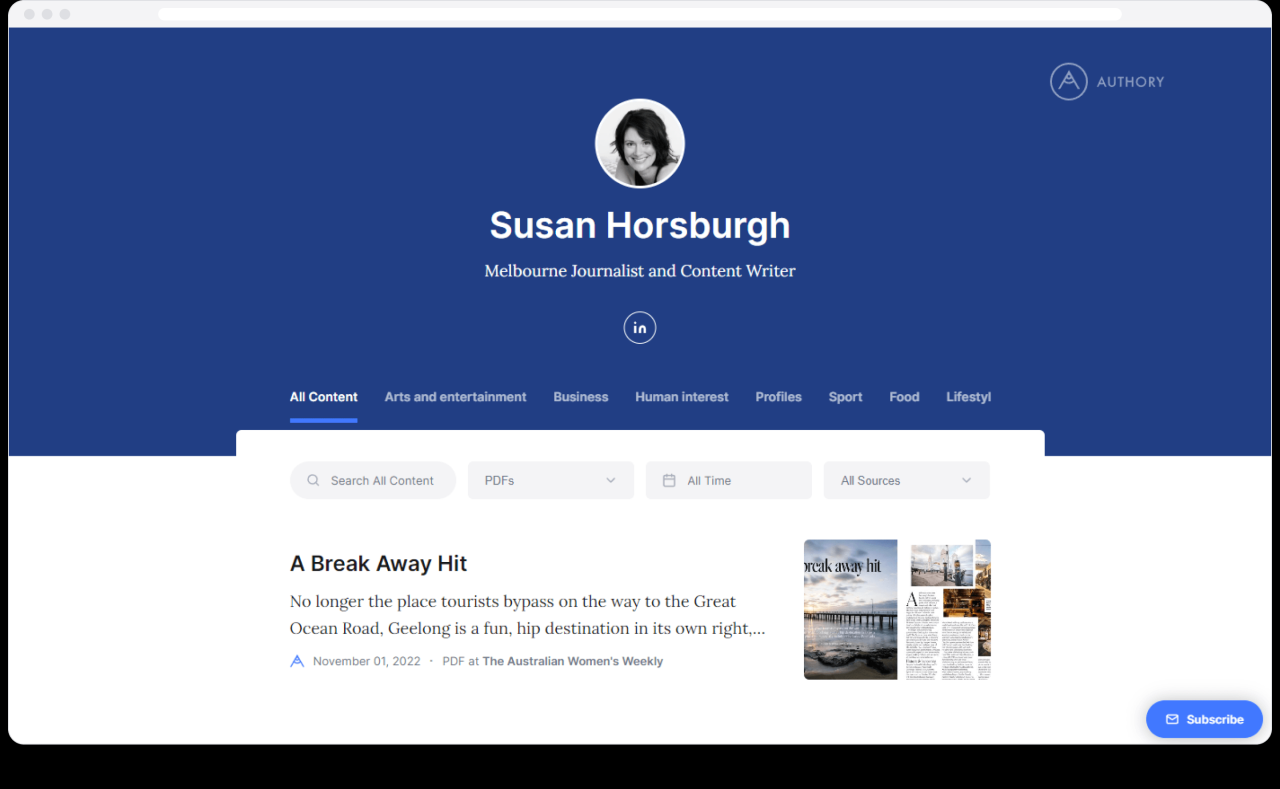
In today’s fast-paced world, the choice between maintaining a digital portfolio and a physical one is essential for professionals across various fields. Each format presents unique advantages and drawbacks, and understanding these can help in making more informed decisions about which to adopt. This discussion aims to shed light on the key aspects of both portfolio types, enabling individuals to select the best option for showcasing their work.
Advantages and Disadvantages of Digital Portfolios
Digital portfolios offer several benefits that cater to modern needs. They are readily accessible, easily shareable, and can contain a dynamic range of multimedia elements. The ability to update content instantaneously ensures that a digital portfolio remains current and relevant. However, challenges do exist. For instance, there might be concerns regarding data privacy, reliance on technology, and potential accessibility issues for those unfamiliar with digital tools.
Advantages and Disadvantages of Physical Portfolios
Physical portfolios, while less common in the digital age, still have their merits. They allow for a tactile experience, which can be particularly engaging during in-person interviews or meetings. A well-organized physical portfolio can create a strong impression and convey professionalism. However, these portfolios can be cumbersome to transport, limit the amount of showcased work, and require more time and effort to update or redesign.
Technological Tools for Creating Digital Portfolios
Numerous technological tools are available for creating and showcasing digital portfolios. Some popular platforms include:
- Wix: A user-friendly website builder that offers customizable templates ideal for portfolio creation.
- Behance: A social media platform specifically for creatives, allowing for easy sharing and networking.
- Adobe Portfolio: A tool that integrates with Adobe Creative Cloud, enabling professionals to create visually stunning portfolios effortlessly.
- Squarespace: Known for its sleek design options, this platform allows for the creation of visually appealing portfolios suitable for various industries.
Situational Benefits of Digital vs. Physical Portfolios
The choice between digital and physical portfolios can depend on various factors, including the industry, audience, and context. For instance, a graphic designer may find a digital portfolio more beneficial due to the ability to showcase interactive elements and a variety of formats. Conversely, an architect might prefer a physical portfolio to present tangible prints of blueprints and models during client meetings, as this can evoke a stronger connection with the work presented.
“In an increasingly digital world, the ability to adapt your portfolio to the environment and audience can significantly enhance your professional presentation.”
Showcasing Soft Skills in Your Professional Portfolio
Highlighting soft skills in your professional portfolio is essential, as these interpersonal attributes significantly contribute to your overall effectiveness in the workplace. Soft skills encompass traits such as communication, teamwork, problem-solving, and emotional intelligence. By showcasing these skills, you not only present yourself as a competent professional but also as an adaptable team member who can thrive in diverse environments.
Incorporating soft skills into your portfolio enables potential employers to see beyond your technical capabilities and understand how you interact with others, respond to challenges, and contribute to a positive work culture. Through effective documentation and presentation, you can illustrate your soft skill competencies, making a lasting impression on those reviewing your portfolio.
Documenting and Presenting Soft Skills Effectively
To effectively document and present your soft skills, consider utilizing various methods that allow you to showcase these attributes within your portfolio framework. Below are several strategies that can enhance the visibility of your interpersonal skills:
- Personal Statements and Reflections: Begin your portfolio with a personal statement that reflects on your soft skills. Share experiences that highlight your strengths, such as a time you successfully navigated a team conflict or demonstrated resilience during a challenging project.
- Case Studies: Include specific examples or case studies where your soft skills made a difference. Describe situations where your communication style played a pivotal role in achieving a goal or how your empathy and understanding influenced team dynamics.
- Visual Aids: Use graphics or charts to demonstrate the impact of your soft skills. For instance, a chart showing improved team performance following your solutions to a communication issue can visually emphasize your ability as a collaborator.
- Skill Matrix: Create a skills matrix that categorizes your soft skills against real-life scenarios. This can be structured as a table, where you list soft skills like “Adaptability” alongside relevant experiences and outcomes.
Gathering Testimonials and Endorsements
Testimonials and endorsements can significantly enhance the presentation of your soft skills within your professional portfolio. These authentic insights from colleagues, supervisors, or clients can provide credible evidence of your interpersonal capabilities. To gather effective testimonials, consider the following approaches:
- Request Specific Feedback: When asking for testimonials, specify the soft skills you would like the individual to speak about. This ensures that the feedback is relevant and showcases your strengths in a meaningful way.
- Leverage Social Media: Platforms like LinkedIn allow you to collect endorsements for specific skills. Encourage your connections to endorse your soft skills, enhancing your portfolio’s credibility.
- Incorporate Quotations: Direct quotes from testimonials can be featured prominently in your portfolio. This method provides a personal touch and reinforces your soft skills while breaking up the text visually.
- Use a Variety of Sources: Aim to gather testimonials from a diverse group of people who have observed your soft skills in different contexts. This variety can illustrate your adaptability and effectiveness across multiple scenarios.
“Soft skills are the key differentiators that set professionals apart in today’s competitive landscape.”
The Role of Continuous Improvement and Updates in a Portfolio
In today’s fast-paced professional landscape, maintaining an up-to-date portfolio is essential. Regular updates not only showcase new skills and experiences but also reflect personal growth and adaptability. A dynamic portfolio is a living document that illustrates one’s ongoing commitment to professional development and excellence.To ensure your portfolio remains relevant and effective, a consistent evaluation and revision process is necessary. This involves regularly reviewing the contents of your portfolio to identify outdated information and areas needing enhancement.
It is crucial to consider the skills and experiences that have been acquired since the last update and how they align with current industry trends and personal career goals.
Evaluating and Revising Portfolio Content
The process of evaluating your portfolio involves critical self-assessment and reflection on both your achievements and areas for improvement. Here are some key steps to consider:
1. Self-Assessment
Regularly reflect on your skills and experiences to identify new strengths and accomplishments. Consider what new projects or roles you have undertaken and how they contribute to your professional narrative.
2. Feedback Gathering
Seek input from peers, mentors, or industry professionals. Their perspectives can provide valuable insights into the effectiveness of your portfolio and highlight aspects that may need revision.
3. Relevance Check
As industries evolve, so do the required skills and standards. Ensure that the content you present aligns with current market demands and expectations. Remove any outdated projects or skills that no longer represent your capabilities.
4. Content Enhancement
Add new work samples, updated case studies, or testimonials that reflect your most recent accomplishments. This not only showcases growth but also keeps your portfolio engaging and relevant.
5. Visual and Structural Updates
Consider the layout and design of your portfolio. A fresh look or improved organization can enhance readability and user experience. Employing modern design elements and intuitive navigation is vital to capturing attention.
Strategies for Keeping a Portfolio Dynamic and Engaging
To maintain a lively and engaging portfolio over time, consider the following strategies:
Regular Schedule for Updates
Set specific intervals for portfolio reviews, such as quarterly or biannually. This habit ensures that updates are consistently made and helps in keeping the content fresh.
Incorporate Diverse Content
Include a variety of elements such as videos, infographics, and interactive components. These formats can make your portfolio stand out and cater to different audience preferences.
Highlight Personal Projects
Showcase passion projects or volunteer work that demonstrates your capabilities and interests outside of formal employment. This adds depth to your portfolio and reflects your character.
Engagement through Storytelling
Use narratives to describe your experiences and projects. Engaging storytelling can captivate your audience and make your portfolio memorable.
Stay Informed on Industry Trends
Regularly research and update your knowledge on industry developments. This awareness allows for timely incorporation of new skills and relevant examples into your portfolio, demonstrating your commitment to growth.
“An up-to-date portfolio is not just a reflection of what you’ve done; it’s a projection of where you are going.”
Leveraging Your Portfolio During Interviews
Presenting your portfolio during a job interview can significantly influence the hiring decision. It serves as a tangible representation of your skills, creativity, and past experiences. Effectively showcasing your portfolio not only highlights your qualifications but also demonstrates your ability to communicate your work clearly and confidently.When presenting your portfolio, consider the flow of the conversation and how to integrate your work seamlessly into the discussion.
Start by giving an overview of what your portfolio contains, emphasizing key projects that showcase your strengths and are relevant to the position. Maintain an engaging tone while discussing each piece, allowing your passion to shine through. This will help create a connection with the interviewer and make your presentation more memorable.
Tips for Confidently Discussing Portfolio Content
When it comes to discussing your portfolio, confidence is key. Here are some effective strategies to ensure that you engage your interviewers and convey your skills effectively:
Know Your Work Inside Out
Be prepared to discuss every piece in your portfolio. Understand the context, challenges, and outcomes associated with each project.
Tell a Story
Frame each project as a story, detailing the problem you faced, the solution you implemented, and the results achieved. This narrative approach makes it easier for interviewers to connect with your experiences.
Tailor Your Presentation
Highlight projects that align with the company’s values and the job description. Customizing your discussion shows that you have done your homework and are genuinely interested in the role.
Practice Makes Perfect
Rehearse your presentation several times. Practicing in front of friends or family can help you refine your delivery and gain constructive feedback.
Be Open to Questions
Encourage interviewers to ask questions about your work. This interactive approach makes the discussion more engaging and allows you to elaborate on your expertise.An important aspect of preparing for your interview is anticipating the types of questions interviewers might ask regarding your portfolio. Here’s a list of potential inquiries to consider:
- Can you describe your thought process behind this project?
- What were the main challenges you faced while working on this piece?
- How did you measure the success of your projects?
- What skills did you utilize or develop through this work?
- How would you approach a similar project differently now, knowing what you know?
Each of these questions offers an opportunity to showcase not only your technical skills but also your problem-solving abilities and adaptability in various situations. Be prepared to elaborate on your answers with concrete examples and data where applicable.
“Your portfolio is not just a collection of work; it’s a narrative that reflects your journey and growth as a professional.”
By leveraging these techniques and anticipating questions, you position yourself as a strong candidate who not only possesses the skills required for the job but also demonstrates the ability to communicate them effectively.
Common Mistakes to Avoid When Creating a Professional Portfolio
Creating a professional portfolio is an essential step in showcasing your skills and achievements effectively. However, many individuals encounter pitfalls that can undermine the quality and impact of their portfolios. By identifying these common mistakes, you can enhance your portfolio’s appeal and ensure it accurately represents your professional identity.Poor organization or outdated content can significantly detract from the effectiveness of a portfolio.
When potential employers or clients review your work, a cluttered or confusing layout can lead to a negative impression. Additionally, presenting outdated information may suggest a lack of engagement or growth in your field. To maintain a strong portfolio, it is crucial to implement a structured approach while regularly updating the content to reflect your current abilities and projects.
Frequent Pitfalls in Portfolio Development
Understanding the common mistakes made during portfolio creation can help you avoid them. Here are several issues to watch out for:
- Lack of Focus: A portfolio should clearly communicate your strengths and career goals. Including unrelated projects or experiences can dilute your message.
- Poor Visual Design: A cluttered or unattractive layout can distract from your work. Consistent styling, appropriate use of white space, and a clean design help maintain focus.
- Inconsistent Formatting: Uniformity in font, color schemes, and layout is crucial. Consistent formatting presents you as organized and professional.
- Neglecting to Tailor Content: Each portfolio should be tailored to the audience. Customize your projects and descriptions to align with the specific role or industry you are targeting.
- Outdated or Irrelevant Content: Regularly update your portfolio with recent projects and remove outdated work to reflect your current capabilities accurately.
The Importance of Organization and Updates
Organization plays a vital role in the effectiveness of a portfolio. A well-structured portfolio allows viewers to navigate with ease, making it more likely that they will engage with your work. Consider categorizing your projects by type or theme to guide viewers through your experience effectively. Regular updates are equally important to maintain relevance in a fast-paced job market. Incorporate recent projects, new skills, and accomplishments to ensure the portfolio remains a true reflection of your professional journey.
“A portfolio is not just a collection of work; it is a narrative that showcases your professional evolution.”
Using Portfolios for Networking and Professional Development
A well-crafted portfolio serves as a dynamic tool for networking and enhancing professional development. It not only showcases your skills and accomplishments but also acts as a conversation starter and a means to connect with industry peers. By leveraging your portfolio strategically, you can cultivate relationships that foster growth and opportunity throughout your career.In various networking situations, such as conferences or social media platforms, your portfolio can play a pivotal role in making meaningful connections.
Sharing your portfolio during in-person events allows you to create a lasting impression on potential collaborators or employers. Similarly, online platforms like LinkedIn enable you to reach a wider audience by showcasing your work and engaging with relevant communities.
Utilizing Portfolios in Networking Situations
Portfolios can be effectively utilized in networking situations to create impactful interactions. Here are some key strategies:
- Conferences: Bring a digital or printed version of your portfolio to share during conversations. Highlight specific projects relevant to the attendees you meet, which can lead to deeper discussions.
- Social Media: Regularly update your online portfolio on platforms like LinkedIn or personal websites. Share insights and content that showcase your expertise, inviting comments and connections.
- Networking Events: Create business cards with a link to your online portfolio, encouraging attendees to explore your work further after the event.
- Informal Meetups: Utilize your portfolio as a visual aid when discussing your experiences and skills, making your conversations more engaging and memorable.
To maintain the relevance of your portfolio, it is essential to connect its content with ongoing professional development activities. Actively participating in workshops, courses, or industry events can provide fresh content for your portfolio. This integration not only enhances your skillset but also demonstrates your commitment to growth and adaptation in a rapidly changing professional landscape.
“Your portfolio is not just a collection of your work; it’s a living document that evolves with your career.”
By synchronizing your portfolio updates with your professional development activities, you ensure that it reflects your current capabilities and aspirations. This alignment can significantly enhance your appeal to potential employers or collaborators, showcasing a proactive approach to career advancement.

Hi, I’m Lauren. As a digital enthusiast and storyteller, I love breaking down complex ideas into easy-to-read articles. My goal is to provide readers with fresh perspectives and helpful solutions through every piece I write.