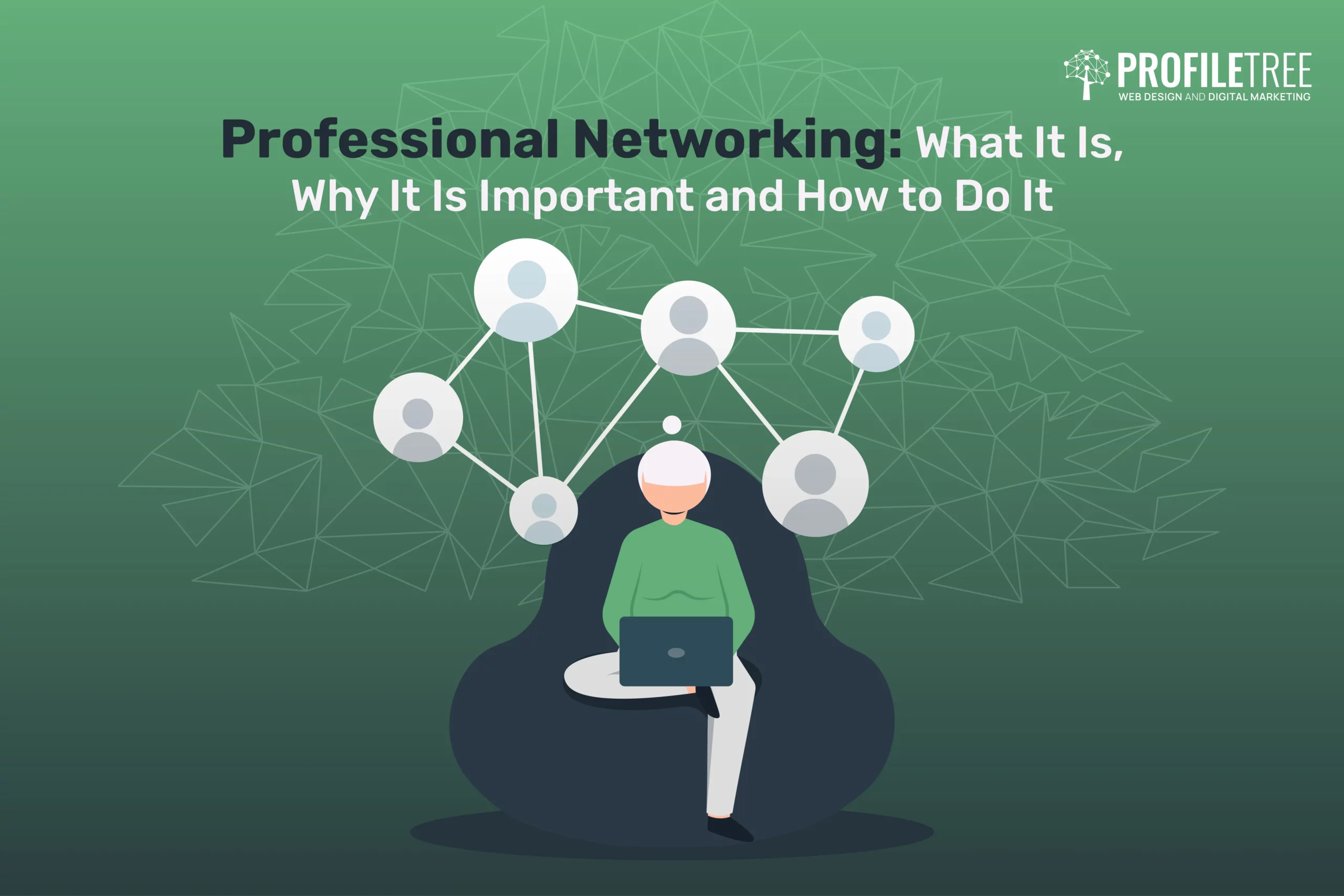
Professional Networking is a vital skill in today’s fast-paced job market that serves as a bridge connecting individuals with opportunities, resources, and insights essential for career advancement. It encompasses a variety of methods, both online and offline, allowing professionals to expand their influence and forge lasting relationships. In an era where personal connections can significantly impact job prospects, understanding the nuances of networking becomes crucial for anyone looking to enhance their career trajectory.
This multifaceted approach to networking not only facilitates introductions to key industry players but also opens doors to mentorship and collaborative opportunities. Engaging authentically with peers and leaders alike allows individuals to build a robust professional presence, which is indispensable for navigating the complexities of modern employment landscapes.






Understanding the Essence of Professional Networking
Professional networking is the process of establishing and nurturing mutually beneficial relationships with individuals who share similar interests, professional affiliations, or career goals. In today’s job market, this practice has become increasingly significant as it can open doors to opportunities, provide insights into industry trends, and facilitate collaborations. Networking allows professionals to move beyond traditional job applications and directly connect with potential employers, mentors, and peers.There are various forms of professional networking, encompassing both online and offline methods.
Online networking has gained traction with platforms like LinkedIn, where professionals can showcase their skills, connect with industry leaders, and engage in meaningful discussions. Offline networking includes attending industry conferences, seminars, and social events, where face-to-face interactions can lead to lasting professional relationships. Both methods complement each other and can significantly enhance an individual’s professional visibility.
Impact of Professional Networking on Career Growth and Opportunities
The influence of professional networking on career growth cannot be overstated. Engaging in networking activities creates avenues for personal and professional development, often leading to job offers and collaborative projects. A well-established network can serve as a vital resource for job seekers, as many positions are filled through referrals rather than traditional hiring processes. Networking fosters connections that can lead to mentorship opportunities.
Mentors provide guidance, knowledge, and support, which are crucial during career transitions or when striving for advancement. Additionally, being part of a professional network often keeps individuals informed about emerging trends, skill requirements, and industry changes, enabling them to remain competitive.Building a robust network can lead to several advantages:
- Access to job opportunities that may not be advertised.
- Sharing of resources, information, and industry insights.
- Collaboration on projects that enhance skill sets and experiences.
- Support from peers during transitions or challenges.
Networking can also enhance personal branding. By actively engaging with others in the industry, professionals can position themselves as thought leaders, increasing their reputation and visibility. This visibility can attract new opportunities, partnerships, and clients. Understanding the importance of building and maintaining these relationships can significantly impact an individual’s career trajectory and future success.
Building Effective Relationships Through Networking
Establishing effective relationships in a professional network is crucial for personal and career development. Networking is not just about exchanging business cards or LinkedIn connections; it is about forming genuine, long-lasting relationships that can lead to mutual growth, collaboration, and opportunities. By understanding and implementing a few key strategies, individuals can cultivate a network that is both supportive and beneficial.One of the foundational aspects of successful networking is identifying strategies for establishing meaningful connections.
This involves not only meeting new people but also ensuring that these interactions are impactful. Here are some effective strategies:
- Be Authentic: Approach networking with sincerity. Share your genuine interests, passions, and career aspirations. Authenticity attracts like-minded individuals who resonate with your values.
- Listen Actively: Focus on the person you are speaking with. Active listening fosters deeper conversations and allows you to understand their needs and interests, which can lead to valuable connections.
- Follow Up: After meeting someone, send a personalized message. This can be a simple thank-you note or an email referencing something specific from your conversation. Following up reinforces the connection.
Mutual benefit is a core principle in networking relationships. It is essential to recognize that networking is a two-way street; both parties should gain value from the relationship. Establishing a mindset focused on giving can enhance your networking success. When you offer help, resources, or introductions to others, you build goodwill and trust. This reciprocal approach encourages others to do the same, creating a network that thrives on collaboration.Maintaining and nurturing professional relationships over time requires intentional effort and consistent communication.
Here are several techniques that can help in this endeavor:
- Regular Check-Ins: Schedule periodic check-ins with your contacts. This could be a simple email update, a coffee catch-up, or a phone call. Regular communication keeps the relationship alive and shows that you value the connection.
- Provide Value: Share relevant articles, insights, or opportunities that might interest your contacts. By consistently providing value, you position yourself as a resource and valuable connection.
- Participate in Events: Attend industry events, seminars, or workshops where your contacts may be present. Face-to-face interactions can strengthen relationships and create new opportunities for collaboration.
- Express Gratitude: Acknowledge and appreciate the contributions of your contacts. Whether it’s a simple thank-you message or recognizing their achievements on social media, expressing gratitude fosters goodwill.
- Be Mindful of Social Media: Utilize platforms like LinkedIn to stay connected. Engage with your contacts’ posts and updates to maintain visibility and relevance in their professional lives.
By employing these techniques, professionals can ensure that their networking relationships remain vibrant and productive over time. The ability to leverage these connections effectively can lead to new opportunities, collaborations, and an enriched professional journey. Remember, the strength of your network can significantly impact your success.
The Role of Social Media in Professional Networking

In today’s digital landscape, social media platforms have revolutionized the way professionals connect, share, and grow their networks. Tools like LinkedIn and Twitter are not just social platforms; they serve as essential resources for career advancement, knowledge sharing, and community building. The ability to network online transcends geographical barriers, allowing individuals to engage with industry leaders, peers, and potential collaborators worldwide.Social media tools can significantly enhance networking efforts.
By curating an impactful online professional presence, individuals can showcase their expertise and attract opportunities. LinkedIn, with over 900 million users, remains the premier platform for professional networking. It allows users to create detailed profiles, share their resumes, and engage with content relevant to their industries. Twitter provides a more dynamic environment where real-time conversations occur; professionals can follow industry trends, participate in discussions, and connect with thought leaders through hashtags and mentions.
Best Practices for Creating an Impactful Online Professional Presence
To effectively leverage social media for networking, adopting best practices is key. An impactful online presence is crafted through thoughtful engagement and strategic content sharing. Here are essential practices to consider when building your professional profile:
- Complete Your Profile: Ensure your LinkedIn profile is fully filled out, including a professional photo, detailed work experience, and relevant skills. A complete profile is more likely to attract connections and opportunities.
- Engage Regularly: Consistent interaction with your network through comments, shares, and posts keeps you visible. Aim for a mix of original content and engagement with others’ posts to build relationships.
- Join Relevant Groups: Participate in industry-specific groups on LinkedIn and Twitter. These groups provide forums for discussion, knowledge sharing, and direct access to professionals in your field.
- Share Valuable Content: Post articles, insights, and resources that reflect your expertise and interests. Valuable content encourages others to engage and positions you as a knowledgeable source in your industry.
- Use Hashtags Wisely: On Twitter, utilize relevant hashtags to increase the visibility of your tweets. This practice connects you with broader conversations and helps you reach a targeted audience.
“The power of social media lies not in broadcasting your voice, but in building connections and fostering meaningful conversations.”
In conclusion, mastering the use of social media for professional networking requires a blend of strategic engagement, content sharing, and relationship-building. By implementing these best practices, professionals can effectively expand their networks and enhance their career prospects in an increasingly digital world.
Networking Etiquette and Best Practices
Networking is a vital aspect of professional growth and opportunity, allowing individuals to connect, share knowledge, and foster relationships within their industries. Understanding the etiquette associated with networking can significantly enhance the effectiveness of these interactions, whether they occur in person or online. Adhering to established norms not only helps to create a lasting impression but also cultivates an environment of mutual respect and collaboration.
Essential Networking Etiquette Rules
When engaging in networking, it is crucial to adhere to specific etiquette rules that promote professionalism and establish rapport. The following points Artikel essential practices to follow during networking endeavors:
- Be Mindful of Timing: Respecting others’ time is fundamental. Ensure that your conversations are concise and relevant, allowing for a natural flow of discussion.
- Practice Active Listening: Show genuine interest in what others have to say. This not only builds respect but also opens the door for deeper connections.
- Follow the Golden Rule: Treat others as you would like to be treated. This principle is foundational for creating a positive networking atmosphere.
- Personalize Your Approach: Tailor your conversations to the individual. This can involve referencing mutual connections or shared interests, fostering a sense of familiarity.
- Maintain Professionalism: Dress appropriately for the setting, whether it’s a formal event or a casual meetup. Your appearance reflects your professionalism.
Effective versus Ineffective Networking Approaches
The approach taken during networking can significantly influence the outcomes of such interactions. Effective networking is characterized by building genuine relationships, understanding the needs of others, and providing value in conversations. For instance, a networking event attendee who actively engages with others, shares insights, and seeks to learn can create opportunities for collaboration and mentorship.In contrast, ineffective networking often involves superficial interactions, such as handing out business cards without establishing any real connection.
This approach may lead to missed opportunities and a lack of meaningful relationships. An individual who focuses solely on self-promotion, neglecting to consider the interests of others, often finds that their efforts yield little in return.
Engaging authentically in networking leads to relationships that can create infinite possibilities.
The Importance of Follow-Ups in Establishing Connections
Follow-ups serve as a critical component of effective networking, as they reinforce the connections made during initial encounters. The importance of follow-ups cannot be overstated; they demonstrate your commitment to fostering relationships and help solidify the bond formed during networking events. A well-timed follow-up can remind your new contacts of your conversation and keep the lines of communication open. For instance, after meeting someone at a conference, sending a simple thank-you email expressing appreciation for the discussion can leave a lasting impression.
It not only shows gratitude but also reiterates your interest in maintaining the connection. Engaging through a follow-up message can include sharing an article relevant to the discussion, suggesting a coffee meeting, or simply checking in after a few weeks.Consistent follow-ups can lead to meaningful collaborations, job referrals, and other professional opportunities. In essence, they transform a fleeting encounter into a sustained relationship, paving the way for mutual benefits over time.
In a world where connections can open doors to various possibilities, ensuring you actively follow up can distinguish you from others who might neglect this essential step.
Creating Networking Opportunities in Professional Settings
In today’s interconnected world, creating opportunities for networking in professional settings is more crucial than ever. Whether you are attending conferences, workshops, or casual meet-ups, the ability to network effectively can open doors to new job prospects, partnerships, and friendships. This segment explores innovative ideas for organizing networking events, the pivotal role of mentorship, and strategies to identify networking opportunities in everyday situations.
Innovative Ideas for Organizing Networking Events
Organizing engaging networking events is essential for encouraging interaction among professionals. Here are some creative ideas to foster meaningful connections:
- Speed Networking: Similar to speed dating, participants have a limited time to introduce themselves and share their interests before rotating to the next person, facilitating multiple quick connections.
- Themed Networking Nights: Host events centered around specific industries or interests, such as tech trends or sustainable practices, to attract like-minded individuals.
- Workshops with Breakout Sessions: Combine skill-building workshops with structured networking breakout sessions, allowing participants to engage on topics of mutual interest.
- Networking Games: Incorporate games that require participants to work together or solve problems, which can naturally foster collaboration and rapport.
These methods not only enhance engagement but also create an environment where participants feel comfortable sharing their experiences and insights.
Role of Mentorship in Expanding Professional Networks
Mentorship plays a vital role in broadening professional networks. Mentors can introduce mentees to their established connections, providing access to invaluable resources and opportunities. Engaging in mentorship relationships encourages knowledge sharing and personal growth, enabling both parties to expand their networks.
“Strong mentorship relationships can bridge gaps and create pathways for new collaborations.”
Mentors often provide guidance on navigating professional opportunities and help build confidence in mentees, enhancing their ability to network effectively. Additionally, mentoring can lead to reciprocal relationships where mentors also learn from their mentees’ fresh perspectives.
Identifying and Seizing Networking Opportunities in Everyday Situations
Networking opportunities abound in daily life; being proactive and observant can help in recognizing them. Here are strategies to identify and seize these opportunities:In casual settings such as coffee shops, gyms, or community events, always be open to striking up conversations. Engage with people from various backgrounds as these interactions can spark new connections. Additionally, attending local meet-ups or industry-specific events can provide access to professionals outside your immediate circle.Utilizing social media platforms like LinkedIn can be instrumental in identifying networking opportunities.
Actively participate in discussions, comment on posts, and share relevant content to engage with professionals in your field. Joining groups related to your interests can expand your visibility and facilitate connections with like-minded individuals.Networking happens not only at formal events but also in everyday interactions. By practicing active listening and showing genuine interest in conversations, you can uncover mutual connections and opportunities for collaboration.
“Every interaction is a potential networking opportunity; it’s up to you to recognize and seize it.”
Ultimately, the ability to identify and seize networking opportunities hinges on being approachable, engaging, and prepared to share your own experiences and insights. Embracing these casual encounters can significantly enhance your professional network and open up new avenues for growth.
The Challenges of Networking and How to Overcome Them

Networking can often feel like navigating a maze, with various obstacles that can deter even the most outgoing individuals. Among the most common challenges are psychological barriers, logistical issues, and the fast-paced nature of professional environments. Understanding these obstacles is the first step to overcoming them and building a robust network. Effectively addressing these challenges can enhance not just your networking skills but also your professional growth and confidence.
Common Networking Obstacles and Solutions
Networking presents several challenges that can hinder effective interactions. Recognizing and addressing these issues is crucial for anyone looking to enhance their professional relationships. Below are some common obstacles along with practical solutions to mitigate their impact:
- Introversion: Many individuals find large gatherings overwhelming. Introverts can prepare by setting specific goals, such as meeting a certain number of people, which can provide structure and make interactions feel more manageable. Additionally, engaging in smaller groups or one-on-one conversations can be more comfortable and effective.
- Fear of Rejection: The prospect of rejection can discourage even the most motivated networker. It’s helpful to reframe rejection as a natural part of the networking process. Practicing self-compassion and viewing rejection as an opportunity for growth can significantly reduce anxiety.
- Lack of Confidence: Feeling unprepared can cause hesitation in networking situations. Preparation can bridge this gap; researching attendees, preparing an elevator pitch, and having relevant questions ready can boost confidence and facilitate smoother conversations.
- Time Constraints: Busy schedules can make networking seem like a daunting task. Creating a networking plan that involves setting aside dedicated time for networking activities, such as attending events or connecting online, can help integrate networking into your routine.
“The best opportunities often come from connections, and overcoming networking challenges can lead to significant professional growth.”
Strategies for Enhancing Confidence in Networking
Building confidence in networking situations is pivotal for overcoming barriers. Here are strategies that can help individuals boost their self-assurance and improve their networking effectiveness:
- Practice Active Listening: Engaging fully in conversations not only shows genuine interest but also helps build rapport. Active listening can ease anxiety about speaking by allowing you to respond thoughtfully rather than feeling pressured to dominate the conversation.
- Set Achievable Goals: Setting specific, realistic goals for each networking event can guide your interactions. For example, aim to connect with three new people or follow up with two contacts you met previously. Goals give a sense of purpose to networking endeavors.
- Refine Your Communication Skills: Developing strong verbal and non-verbal communication skills can enhance your confidence. Joining groups like Toastmasters can improve public speaking abilities, while practicing small talk can make you more comfortable in social situations.
- Leverage Online Platforms: Utilize social media and professional networking sites like LinkedIn to connect with peers before meeting in person. This can help to ease the initial awkwardness and create a sense of familiarity when you do meet face-to-face.
“Confidence in networking is not about being the loudest person in the room, but about being present and engaging meaningfully with others.”
By recognizing the challenges of networking and employing strategic approaches to overcome them, individuals can turn obstacles into opportunities, ultimately cultivating a rich and diversified professional network.
Measuring the Success of Your Networking Efforts
Assessing the effectiveness of your networking strategies is crucial for personal and professional growth. Understanding whether your efforts yield the desired results helps you refine your approach and focus on what truly works. Effective measurement involves a mix of qualitative and quantitative assessments, ensuring a comprehensive view of your networking success.
Evaluation Methods for Networking Strategies
Evaluating the effectiveness of networking strategies can be achieved through various methods. This allows you to gauge your progress and identify areas for improvement. Here are several methods to consider:
- Feedback and Testimonials: Seek input from your contacts about the value of the connections you’ve made. Positive feedback can indicate successful networking.
- Follow-Up Engagement: Track how many individuals actively engage with you after initial meetings or events. Increased follow-up communications suggest effective networking.
- Referral Rates: Measure how often your contacts refer you to others for opportunities. A high referral rate indicates trust and satisfaction.
- Goal Achievement: Assess whether you’ve reached the goals you set for your networking activities, such as securing a specific number of meetings or collaborations.
Key Indicators of Successful Networking Outcomes
Identifying key indicators that reflect successful networking outcomes is essential for ongoing evaluation. The following checklist highlights important markers to consider:
- New connections made in relevant industries or fields
- Increased opportunities for collaboration or partnership
- Improvement in professional visibility and personal brand awareness
- Quantifiable growth in your professional network size
- Successful completion of projects or initiatives born from networking efforts
Setting Measurable Goals for Networking Activities
Establishing measurable goals for your networking activities is critical for assessing success. Goals should be specific, attainable, and time-bound to ensure clear focus and direction. For example, aim to connect with five new professionals in your field each month. You might also set a goal to attend a minimum of three networking events quarterly, with a target of following up with two contacts per event.
By defining your objectives clearly, you can track your progress and adjust your strategies accordingly.
Utilizing the SMART criteria can further enhance goal-setting:
- Specific: Clearly define what you intend to achieve.
- Measurable: Ensure you can track your progress.
- Achievable: Set realistic targets based on your capacity.
- Relevant: Align your goals with your overall career objectives.
- Time-bound: Establish a timeline for achieving your goals.
By consistently evaluating your networking efforts against these goals and indicators, you can maintain a dynamic and effective networking strategy that evolves with your career.

Hi, I’m Lauren. As a digital enthusiast and storyteller, I love breaking down complex ideas into easy-to-read articles. My goal is to provide readers with fresh perspectives and helpful solutions through every piece I write.