Job Interview Tips are crucial for anyone looking to land their dream job. Interviews serve as a pivotal stage in the hiring process, where both candidates and employers engage in a mutual assessment. The atmosphere can vary significantly depending on the industry and role, making it essential to grasp not just the mechanics of interviews but also their psychological implications.
Navigating this terrain effectively can set candidates apart, allowing them to demonstrate their suitability and enthusiasm, while also easing the nerves that often accompany such high-stakes situations.



Preparing for an interview goes beyond just reviewing your resume; it involves thorough research into the company and the specific role you are applying for. Understanding the company culture and the job description helps you tailor your approach and deliver a compelling personal pitch. This preparation is key, as it lays the groundwork for showcasing your skills and experiences in a way that resonates with interviewers.
Understanding the Importance of Job Interviews

Job interviews serve as a crucial juncture in the hiring process, acting as a bridge between a candidate’s qualifications and the needs of a potential employer. They offer an opportunity for both parties to assess compatibility beyond what’s presented on a resume. This critical interaction allows hiring managers to gauge not only the skills and experiences of a candidate but also their personality, cultural fit, and overall potential within the company.
In many cases, interviews can be the deciding factor in whether a candidate excels in their career path or remains overlooked. Interviews vary significantly across different industries and roles, reflecting the unique requirements and cultures of each field. For instance, a tech company might prioritize technical skills and cultural fit through behavioral interviews and coding challenges, while a creative industry might focus on portfolio reviews and informal conversations to gauge creativity and adaptability.
On the other hand, traditional sectors such as finance or law may adhere to more formal interview structures, emphasizing a candidate’s analytical skills and adherence to industry standards. The structure and approach of interviews are tailored to meet the specific demands of the role and the expectations of the industry, highlighting the diverse nature of the job market.
Psychological Aspects of Job Interviews
The psychological dynamics of job interviews are intricate and affect both candidates and employers. For candidates, interviews can evoke a range of emotions including anxiety, excitement, and pressure. The fear of being judged or making a mistake can hinder their performance, which is why preparation is key. Candidates often devote significant time to anticipating questions, rehearsing answers, and presenting themselves as the optimal choice.
Employers, on the other hand, experience their own psychological challenges during interviews. They must evaluate a candidate’s responses while also managing their impressions of the candidate. Hiring managers often rely on instinct and first impressions, which can be influenced by subtle non-verbal cues such as body language and tone of voice. Research indicates that these initial perceptions can significantly impact hiring decisions.
Additionally, biases—whether conscious or unconscious—can affect an employer’s judgment, leading to decisions that may not align with the qualifications and potential of the candidate.
“Job interviews are not just about evaluating skills; they are a complex interplay of perceptions, emotions, and biases that define the future of both the candidate and the organization.”
Understanding these psychological factors highlights the importance of creating a comfortable and engaging interview environment. This can help candidates perform at their best and allow employers to make informed decisions that ultimately benefit the organization. By recognizing the significance of job interviews and the various dynamics involved, both parties can navigate this crucial process with greater awareness and effectiveness.
Preparing for a Job Interview
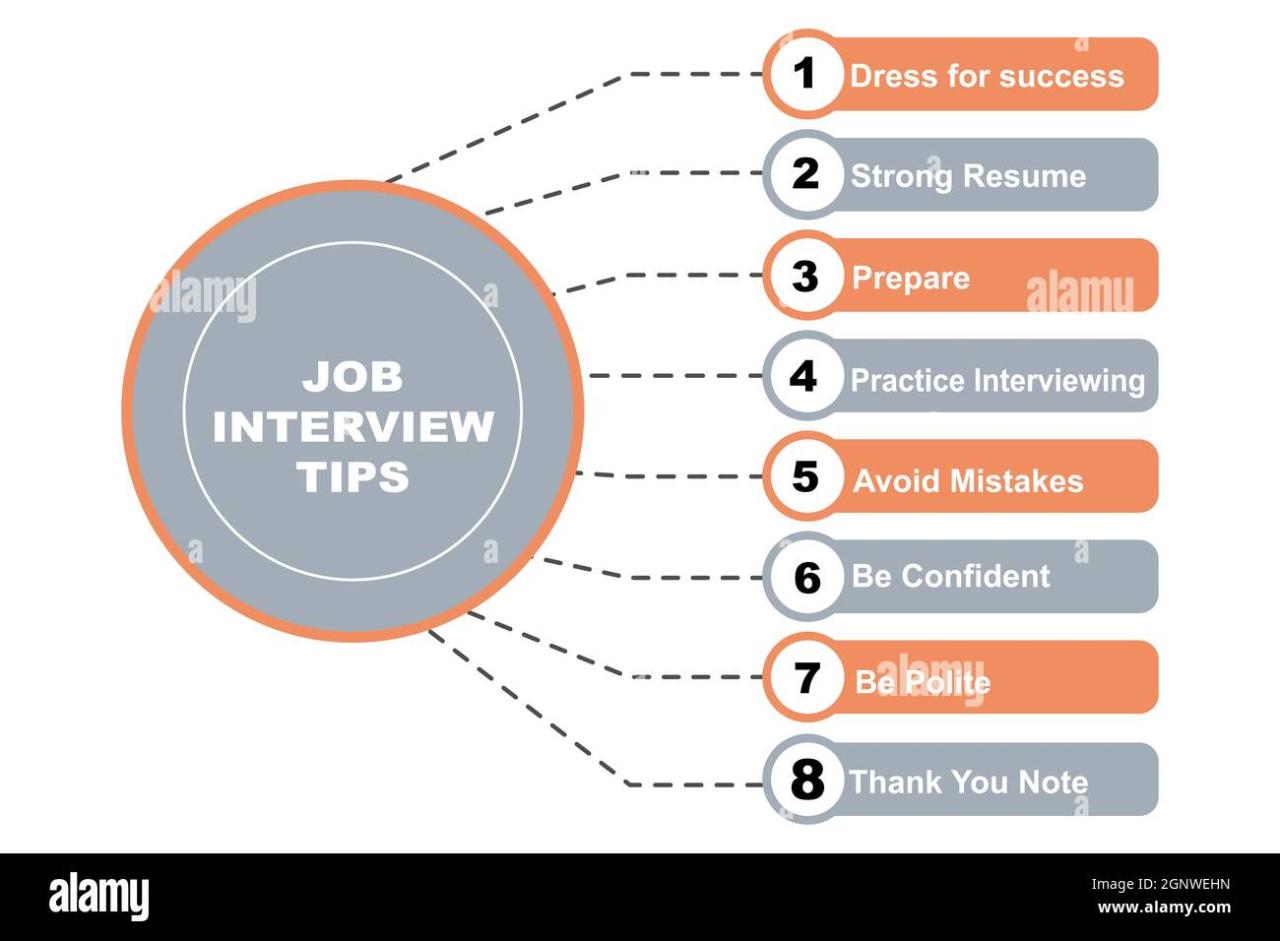
Preparation is key to a successful job interview. Having a clear plan and knowing what to bring can set you apart from other candidates. Proper preparation not only boosts your confidence but also helps you make a great impression on your potential employer. Below is a comprehensive checklist and strategies to ensure you are well-prepared for your upcoming interview.
Essential Items to Prepare
To ensure a smooth interview experience, it’s crucial to gather all necessary materials beforehand. This list highlights the essential items you should prepare before the interview day:
- Updated Resume: Always have multiple copies of your resume printed and neatly organized.
- Cover Letter: If applicable, bring a printed copy of your cover letter, tailored to the job you’re applying for.
- Portfolio or Work Samples: Showcase your work or projects relevant to the position.
- References List: Prepare a list of professional references who can vouch for your skills and experiences.
- Notepad and Pen: Take notes during the interview to remember key points and questions.
- Identification: Bring a valid ID for verification, especially if required by the company.
- Questions for the Interviewer: Prepare thoughtful questions that demonstrate your interest in the role and company.
Researching the Company
Understanding the company’s background, values, and culture can significantly enhance your interview performance. Effective research strategies include:
- Company Website: Start with the official website to learn about its mission, vision, and products or services.
- Social Media: Follow the company’s profiles on platforms like LinkedIn, Twitter, and Facebook for updates and insights into its culture.
- News Articles: Look for recent news articles and press releases to understand current events related to the company.
- Glassdoor Reviews: Check employee reviews on platforms like Glassdoor for insights on company culture and work environment.
- Networking: Connect with current or former employees on LinkedIn to gather firsthand accounts of their experiences.
Understanding the Job Description
A thorough understanding of the job description is pivotal for effective preparation. Analyzing the job description helps you align your skills with what the employer is looking for. Consider the following points:
- Key Responsibilities: Identify the core responsibilities of the role and prepare to discuss how your experiences relate to them.
- Required Skills: Highlight your relevant skills and experiences that match the qualifications listed in the job description.
- Company Values: Align your answers with the company’s values mentioned in the job description to show cultural fit.
- Performance Metrics: Understand any performance metrics or goals mentioned, as this will inform your discussions about how you can contribute.
Crafting Your Personal Pitch
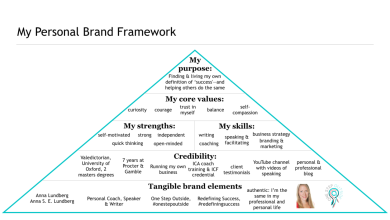
Creating a compelling personal pitch is essential for making a memorable impression during job interviews. This brief yet powerful summary of your skills and experiences can set the tone for the entire conversation and help you stand out in a competitive job market. The goal is to convey not just what you do, but who you are and how you can add value to the organization.The elements of a successful elevator pitch include clarity, brevity, and personalization.
A well-crafted pitch should take no longer than 30-60 seconds, encapsulating your career highlights while resonating with your audience. Here are some essential components to include in your personal pitch:
Essential Components of an Elevator Pitch
To craft an effective elevator pitch, consider including the following elements:
- Introduction: Start with your name and a brief professional title or area of expertise to set the stage.
- Your Background: Share your current role and relevant experiences that shape your professional journey.
- Unique Value Proposition: Highlight what makes you unique—this could be a specific skill, a notable accomplishment, or your approach to solving problems.
- Future Aspirations: Briefly mention what you are looking for in your next role or how you hope to contribute to the potential employer.
- Call to Action: End with an engaging statement or question that invites further conversation.
A few examples of effective pitches include:
- “Hi, I’m Sarah, a digital marketing specialist with over five years of experience in social media strategy. I helped my previous employer increase their engagement by 150% in just six months. I’m looking to bring my skills to a dynamic team like yours, where I can contribute to innovative marketing campaigns. How does your team currently approach social media?”
- “Hello, I’m David, an IT project manager with a track record of delivering projects on time and within budget. My most recent project reduced costs by 20% through efficient resource allocation. I’m eager to explore opportunities where I can leverage my skills to drive company success. What challenges is your team currently facing?”
The role of storytelling in personal pitches is vital in making your message resonate. Crafting a narrative around your experiences allows you to connect emotionally with your audience. It transforms your pitch from a list of qualifications into a compelling story that captures attention and illustrates your passion. Here are some tips to incorporate storytelling effectively:
Incorporating Storytelling in Your Pitch
Utilizing storytelling within your personal pitch can significantly enhance its impact. Consider these strategies:
- Relatable Anecdote: Share a brief story that illustrates a challenge you overcame or a lesson you learned, which connects to the skills relevant to the job.
- Engaging Hook: Start with a question or a surprising fact that draws the listener in and sets the stage for your narrative.
- Emotionally Charged Language: Use descriptive language that evokes feelings and paints a vivid picture of your experiences.
- Clear Structure: Ensure your story has a beginning, middle, and end, allowing your listener to follow along easily.
For instance, if you are applying for a sales position, you might say, “During my last role, I faced a tough quarter where sales dipped significantly. Instead of panicking, I took the initiative to conduct customer feedback sessions, which revealed improvements we could make in our service. After implementing these changes, we saw a 40% increase in sales the following quarter.
I’m excited about the possibility of bringing my proactive approach and customer focus to your sales team.”By weaving your skills and experiences into a narrative, you create a more engaging personal pitch that not only highlights your qualifications but also showcases your unique personality and approach to challenges.
Mastering Common Interview Questions
Preparation for an interview involves understanding the types of questions that may be asked and formulating effective responses. Many interviewers rely on a standard set of questions to gauge candidates’ qualifications and fit for the position. By mastering these questions, candidates can present themselves as confident and capable, increasing their chances of success.
The first step in preparing for interviews is identifying frequently asked questions and crafting thoughtful answers. This process not only builds your confidence but also allows you to showcase your skills and experiences effectively. Here, we delve into some common interview questions and offer strategies for constructing compelling responses.
Frequently Asked Interview Questions
Understanding common interview questions helps candidates to prepare adequately. Here are some typical questions along with effective strategies for answering them:
- Tell me about yourself. A brief overview of your professional background, highlighting key skills and experiences relevant to the job you’re applying for.
- What are your strengths and weaknesses? Focus on strengths that align with the job and present weaknesses you are actively working to improve.
- Why do you want to work here? Demonstrate knowledge about the company and relate your values and career goals to their mission.
- Where do you see yourself in five years? Articulate career aspirations that align with the job and express a desire for growth within the company.
Strategies for Answering Behavioral Interview Questions
Behavioral questions are designed to assess how candidates have handled situations in the past, providing insight into their problem-solving and interpersonal skills. A widely accepted method for structuring these answers is the STAR method, which stands for Situation, Task, Action, and Result. Here’s how to apply it:
“When answering, describe the Situation you faced, the Task that needed to be accomplished, the Action you took, and the Result of your action.”
- Situation: Set the context by describing a specific situation from your past work experience.
- Task: Explain the challenge or responsibility you faced in that situation.
- Action: Detail the specific actions you took to address the challenge.
- Result: Share the outcomes of your actions, highlighting what you learned from the experience.
Tailoring Answers to Reflect Individual Experiences and Skills
Crafting responses that showcase your unique experiences and skills is essential for standing out in an interview. To do this effectively:
- Reflect on your past roles and identify key achievements that are relevant to the position.
- Use specific examples that illustrate your capabilities and how they relate to the job.
- Incorporate industry-specific terminology and knowledge to demonstrate expertise and familiarity with the field.
- Practice delivering your answers aloud to ensure clarity and confidence during the interview.
By preparing thoughtful responses to common interview questions and utilizing the STAR method for behavioral questions, candidates can effectively convey their qualifications and leave a lasting impression during interviews. Tailoring answers to showcase individual skills further ensures that candidates present their best selves, setting a strong foundation for a successful interview experience.
Dressing for Success in Interviews
Choosing the right attire for a job interview is crucial, as it plays a significant role in making a strong first impression. The clothes you wear can communicate professionalism, confidence, and your understanding of the company’s culture. This segment delves into how to select appropriate attire based on industry standards and company expectations, the impact of first impressions, and grooming tips to enhance your overall presentation.
Choosing Appropriate Attire
Selecting the right outfit for an interview requires an understanding of the industry and the specific company culture. Different sectors have varying expectations regarding professional attire. For instance, a corporate finance firm may expect applicants to wear formal suits, while a tech startup may embrace a more casual approach. Here are some considerations to guide your attire choice:
- Research the Company Culture: Look at the company’s website, social media, and employee reviews to gauge their dress code.
- Industry Standard: Understand the norms within your specific industry. For example, legal and financial sectors typically lean towards formal wear, while creative industries may favor a business-casual look.
- Dress One Level Above: Aim to dress slightly more formal than the usual attire of the employees. If the company’s environment is business casual, consider wearing a suit or a blazer.
Impact of First Impressions
First impressions are formed within seconds, and your appearance plays a significant role in shaping how interviewers perceive you. A polished look can instill confidence and signal preparedness. Research suggests that a well-dressed candidate is often viewed as more competent and professional. Here are some key points to consider:
- Non-verbal Communication: Your attire sends messages even before you speak, influencing the interviewer’s perception of your fit for the role.
- Confidence Boost: Wearing clothes that you feel good in can elevate your confidence levels, which can be reflected in your body language and communication.
- Consistency with Your Brand: Ensure your outfit aligns with your personal brand. If you’re applying for a role that emphasizes creativity, your attire should mirror that without being overly casual.
Grooming and Personal Presentation
Grooming is just as vital as choosing the right outfit. Attention to detail can significantly elevate your overall presentation. Here are some effective grooming tips to enhance your look and boost your confidence:
- Personal Hygiene: Ensure you are clean and well-groomed. This includes showering, using deodorant, and maintaining oral hygiene.
- Hairstyle: Choose a hairstyle that is neat and professional. Avoid overly extravagant styles that might distract from your qualifications.
- Minimal Accessories: Opt for subtle accessories that enhance your outfit without making it look cluttered. Less is often more in a professional setting.
- Fit Matters: Ensure your clothes fit well. Ill-fitting clothes can be distracting and may give the impression of carelessness.
Body Language and Non-verbal Communication
During a job interview, your body language can speak volumes about your confidence, professionalism, and suitability for the position. Non-verbal cues often convey emotions and attitudes more powerfully than words alone, and they can significantly influence how interviewers perceive you. Understanding the importance of body language in an interview setting can help you make a lasting positive impression and stand out among candidates.The significance of body language in interviews cannot be overstated.
It forms the foundation of first impressions and can either enhance or undermine the verbal messages you convey. Research suggests that a large percentage of communication is non-verbal, meaning that your facial expressions, gestures, posture, and eye contact can either reinforce your spoken words or contradict them. Hence, mastering these non-verbal cues is essential for effective communication.
Non-verbal Cues to Maintain and Avoid
To improve your chances of success in an interview, it’s crucial to be mindful of specific non-verbal cues that can either enhance or detract from your presentation. Here are key behaviors to adopt and avoid:Maintaining positive non-verbal cues:
- Eye Contact: Establish and maintain eye contact to convey confidence and engagement. This shows the interviewer that you are attentive and interested in the conversation.
- Posture: Sit up straight with shoulders back. Good posture conveys confidence and professionalism.
- Facial Expressions: Smile naturally and use appropriate facial expressions to show enthusiasm for the position. This helps create a welcoming atmosphere.
- Hand Gestures: Use open-handed gestures to emphasize points, which can enhance your verbal communication and make you appear more approachable.
Non-verbal cues to avoid:
- Avoid Crossing Arms: This can signal defensiveness or a closed-off attitude, which might make you seem unapproachable.
- Fidgeting: Refrain from tapping your feet, playing with your hair, or any repetitive movements that can distract the interviewer.
- Looking Away: Excessive looking down or away can suggest disinterest or lack of confidence. Maintaining eye contact is key.
- Overly Aggressive Gestures: Avoid pointing or using overly forceful gestures, as they can come off as confrontational.
Exercises to Improve Non-verbal Communication Skills
Enhancing your non-verbal communication skills can be achieved through practice and awareness. Here are some effective exercises to prepare you for interviews:
1. Practice in Front of a Mirror
Regularly rehearse your answers while observing your body language. Pay attention to your posture, facial expressions, and gestures to ensure they align with your message.
2. Record Yourself
Use your smartphone or camera to record practice interviews. Watching the playback helps you identify non-verbal habits that may need adjustment, such as fidgeting or poor eye contact.
3. Engage in Mock Interviews
Partner with a friend or mentor for mock interviews. They can provide feedback on your body language and help you adjust your non-verbal cues in real-time.
4. Mindfulness Techniques
Engage in mindfulness practices such as deep breathing or visualization exercises to reduce anxiety. This can help you present yourself more calmly and confidently during the actual interview.
5. Role-playing Different Scenarios
Simulate various interview scenarios with different types of interviewers. This will help you adapt your body language to match the context and the person you are interacting with.By focusing on these aspects of body language and non-verbal communication, you can significantly enhance your interview performance and leave a lasting impression on potential employers.
Following Up After the Interview
After an interview, many candidates wonder what the next steps should be. One crucial aspect of this process is following up, which can significantly impact your chances of landing the job. A thoughtful follow-up can reinforce your candidacy and keep you fresh in the minds of your interviewers.Sending a thank-you note is not just a polite gesture; it’s an opportunity to reiterate your interest and highlight how your skills align with the company’s needs.
A well-crafted thank-you note can differentiate you from other candidates who may not take this extra step. It demonstrates professionalism and genuine interest, enhancing the likelihood of being remembered favorably.
Importance of a Thank-You Note
A thank-you note serves multiple purposes. It expresses gratitude for the opportunity and acknowledges the interviewer’s time and effort. This gesture can also:
- Create a lasting impression: A thoughtful note shows that you value the interviewer’s time.
- Reinforce your fit: You can take a moment to reiterate specific points discussed in the interview that emphasize your qualifications.
- Keep communication open: A thank-you note encourages ongoing dialogue and can prompt the interviewer to provide updates on the hiring process.
“A simple thank-you note can set you apart from the competition.”
Best Practices for Following Up
When following up on interview outcomes, it’s essential to strike the right balance between showing enthusiasm and respecting the interviewer’s time. Here are some best practices to consider:
- Timing matters: Aim to send your thank-you note within 24 hours of your interview to ensure it’s timely and relevant.
- Be concise and clear: Keep your message to the point, highlighting key aspects of your interview and your continued interest.
- Use proper channels: Email is often the best medium for follow-ups, but if the interviewer prefers another method, such as LinkedIn, use that instead.
- Avoid excessive follow-ups: If you haven’t heard back within a week or two, a polite follow-up can be appropriate. However, limit this to one additional message to avoid coming across as intrusive.
Examples of Effective Follow-Up Messages
Crafting a follow-up message can be simple yet impactful. Here are a few examples of effective messages that can leave a positive impression:
Example 1:
Subject: Thank You!
Hi [Interviewer’s Name],
Thank you for the opportunity to interview for the [Job Title] position yesterday. I appreciated our discussion about [specific topic discussed]. It reinforced my excitement about the role and how I can contribute to [Company Name]. I look forward to the possibility of working together!
Best,
[Your Name]
Example 2:
Subject: Following Up
Hello [Interviewer’s Name],
I hope this message finds you well. I wanted to follow up on our conversation regarding the [Job Title] position on [date]. I am very enthusiastic about the opportunity to join [Company Name] and contribute to [specific project or goal]. If there are any updates about the hiring process, I would love to hear about them.
Thank you once again for your time!
Warm regards,
[Your Name]
These examples illustrate how a simple follow-up can keep the lines of communication open while highlighting your qualifications and continued interest in the position.
Handling Difficult Interview Scenarios
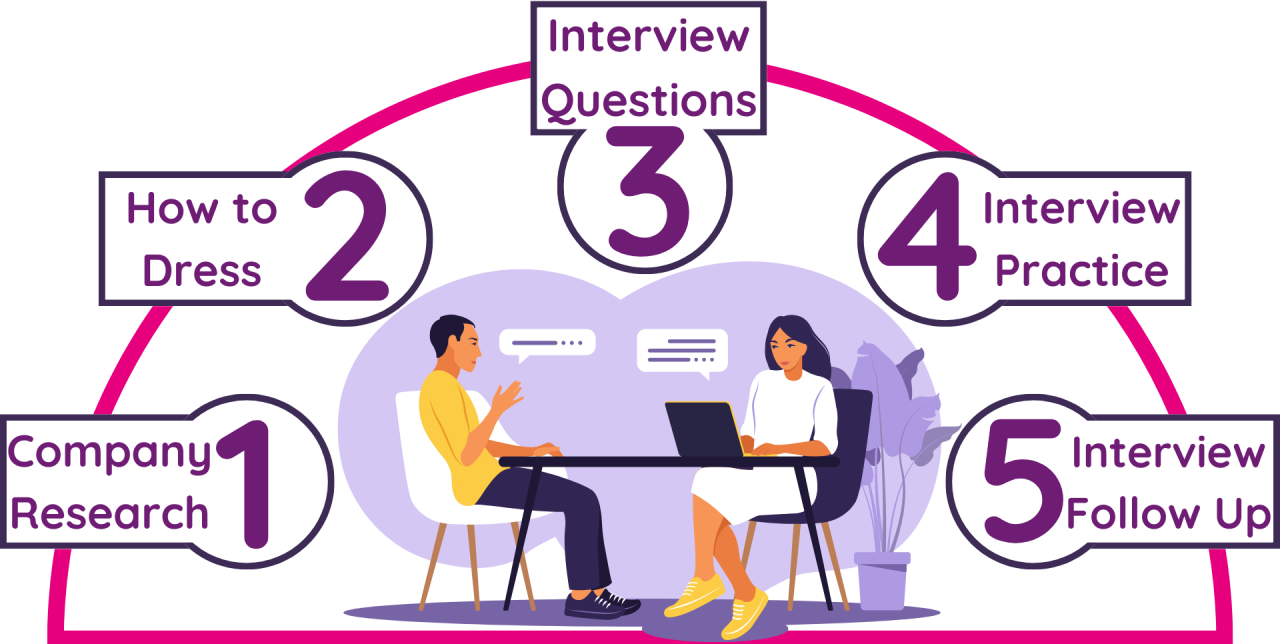
Navigating through challenging situations during an interview can be a daunting experience. However, with the right strategies in place, candidates can turn these potential pitfalls into opportunities for demonstrating their resilience and problem-solving skills. This section explores effective approaches to confront unexpected questions, alleviate anxiety, and rebound from less-than-perfect moments during an interview.
Strategies for Addressing Unexpected Questions
Unexpected questions may catch candidates off guard, but with preparation, it’s possible to handle them effectively. Such questions may range from inquiries about personal weaknesses to hypothetical scenarios that require quick thinking. Here are some strategies to address these questions:
-
Pause before responding.
Taking a moment to gather your thoughts can help in formulating a coherent answer.
-
Clarify if necessary.
If a question is unclear, it’s perfectly acceptable to ask for clarification. This shows that you are thoughtful and want to answer accurately.
-
Use the STAR method.
Structure your response by describing the Situation, Task, Action, and Result to provide a comprehensive answer.
-
Stay positive.
Frame your answers in a way that highlights your ability to learn from challenges or mistakes.
Managing Stress and Anxiety
Feeling anxious before and during an interview is a common experience. Managing this stress can significantly enhance performance. Here are effective methods to reduce anxiety:
-
Practice deep breathing.
Engaging in breathing exercises can help calm nerves and focus your mind before stepping into the interview.
-
Visualize success.
Picture yourself confidently answering questions and making a positive impression to boost your self-assurance.
-
Prepare thoroughly.
The more prepared you are, the less anxious you’ll feel. Research the company, rehearse answers, and have your materials ready.
-
Arrive early.
Giving yourself extra time to settle into the environment can reduce last-minute stress.
Recovering from a Poor Response
Mistakes can happen during interviews, but knowing how to recover can turn a negative situation into a redeeming moment. Here are some methods for bouncing back:
-
Acknowledge the mistake.
If you realize you’ve made an error, it’s often best to accept it gracefully and, if appropriate, provide a clarification.
-
Stay composed.
Maintain your poise and continue with the interview, demonstrating resilience and professionalism.
-
Follow up post-interview.
If a significant mistake was made, consider addressing it in your thank-you email. This shows initiative and commitment to clear communication.
-
Reflect and learn.
After the interview, review what went wrong and strategize on how to handle similar situations in the future.

Hi, I’m Lauren. As a digital enthusiast and storyteller, I love breaking down complex ideas into easy-to-read articles. My goal is to provide readers with fresh perspectives and helpful solutions through every piece I write.