Hard Skills vs Soft Skills sets the stage for a crucial discussion about the vital competencies that shape our professional journeys. In today’s competitive job market, knowing the difference between hard and soft skills is essential for anyone looking to thrive in their career. Hard skills refer to the technical abilities and knowledge that can be measured and are often job-specific, while soft skills encompass interpersonal abilities that facilitate effective communication and collaboration.
This exploration will uncover the significant role each type of skill plays in professional development and workplace dynamics, highlighting how a balanced skill set can lead to greater success and fulfillment in one’s career.




Defining Hard Skills and Soft Skills
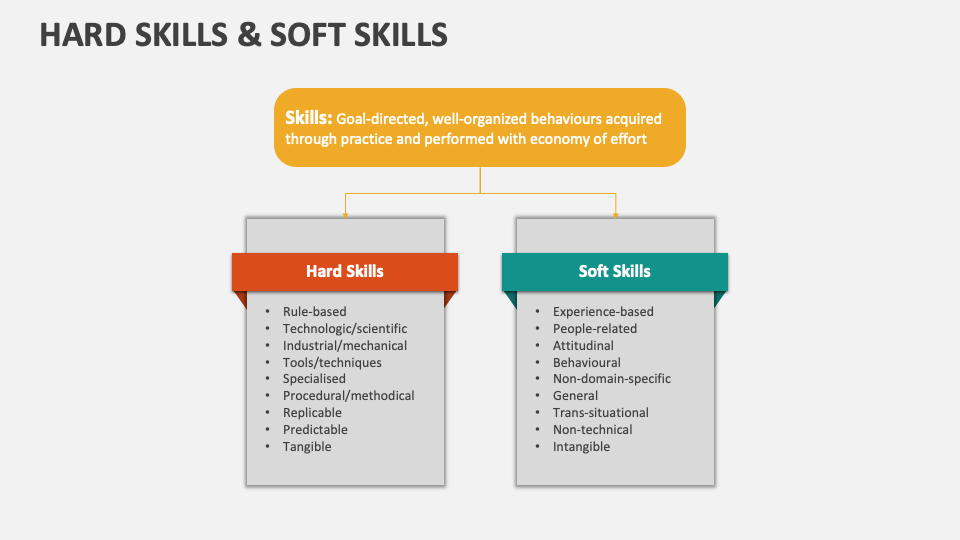
In the ever-evolving landscape of the modern workplace, understanding the distinction between hard skills and soft skills is crucial for both employees and employers. Hard skills refer to specific, teachable abilities or knowledge sets that are quantifiable and often gained through education or training. Soft skills, on the other hand, encompass interpersonal attributes and personality traits that impact how individuals interact and communicate with one another in a work setting.
The primary difference between hard skills and soft skills lies in their nature and application. Hard skills are technical abilities that can be measured and tested, such as proficiency in computer programming, data analysis, or accounting. These skills are typically acquired through formal education, training programs, or hands-on experience. In contrast, soft skills include emotional intelligence, teamwork, adaptability, and communication abilities.
While hard skills can get you an interview, soft skills can help you secure the job and thrive in a collaborative environment.
Examples of Hard Skills
Several hard skills are highly sought after across various industries, and possessing them can significantly enhance one’s employability. Here are some examples of common hard skills:
- Programming Languages: Skills in languages such as Python, Java, or JavaScript are essential for roles in software development and data science.
- Data Analysis: Proficiency in tools like Excel, SQL, or R is crucial for making sense of large datasets and driving business decisions.
- Project Management: Knowledge of methodologies such as Agile or Scrum and tools like Microsoft Project can improve project delivery and efficiency.
- Graphic Design: Skills in design software like Adobe Photoshop or Illustrator are key for creative roles in marketing and advertising.
- Foreign Languages: Fluency in additional languages can be a significant asset in global business environments.
Importance of Soft Skills in Workplace Communication and Teamwork
Soft skills play an essential role in how effectively teams communicate and collaborate. Unlike hard skills, which can be easily measured and quantified, soft skills are more subjective but are equally important for workplace success. They foster a positive work environment, enhance collaboration, and improve overall organizational performance.Strong communication skills facilitate clear and effective discussions, minimizing misunderstandings and conflicts among team members.
Additionally, emotional intelligence enables individuals to navigate social complexities and empathize with colleagues, leading to better relationships and cooperative efforts.Moreover, adaptability is vital in today’s fast-paced work environments. Employees who can embrace change and adjust their strategies accordingly are often more resilient and valuable to their organizations. The combination of these soft skills fosters a culture of teamwork, innovation, and mutual respect, which is indispensable for achieving collective goals.
“Soft skills are the secret ingredient that allows hard skills to shine.”
The Role of Hard Skills in Professional Development
Acquiring hard skills is vital for advancing in any profession. These are the technical abilities and knowledge that allow individuals to perform specific tasks effectively. As industries evolve and become more competitive, having a solid foundation of hard skills can significantly enhance career prospects and open doors to new opportunities.Hard skills directly correlate with job performance and productivity. They are often quantifiable and can be directly linked to specific job roles.
For instance, a software developer must be proficient in programming languages such as Python or Java to create efficient applications. Similarly, an accountant needs to be skilled in financial software like QuickBooks or Excel to manage data effectively. Employers frequently prioritize candidates with relevant hard skills during the hiring process, as these skills are essential for meeting job requirements and achieving company goals.
Methods for Learning Hard Skills
Embracing effective learning strategies can help individuals enhance their hard skills relevant to their field. Here are several practical methods:
- Online Courses and Certifications: Platforms like Coursera, Udemy, or LinkedIn Learning offer courses tailored to specific hard skills, providing both theoretical knowledge and practical application.
- Workshops and Bootcamps: Intensive learning environments focused on specific skills, like coding bootcamps for developers, can provide hands-on experience in a short period.
- On-the-Job Training: Engaging in projects at work that require certain hard skills can lead to practical learning and immediate application of knowledge.
- Mentorship and Networking: Connecting with industry professionals can provide insights and guidance on mastering necessary hard skills in a real-world context.
The combination of these methods can create a robust learning experience, allowing individuals to systematically acquire and refine their hard skills while gaining valuable insights from experts in their fields.
Impact of Hard Skills on Job Performance
Hard skills play a crucial role in determining an employee’s effectiveness and efficiency in the workplace. The following examples illustrate this impact:
- Enhanced Problem-Solving: A data analyst skilled in data visualization software like Tableau can present complex information in an easily understandable format, aiding decision-making processes.
- Increased Efficiency: A graphic designer proficient in Adobe Creative Suite can complete tasks faster and with higher quality, which ultimately contributes to faster project turnaround times.
- Improved Client Satisfaction: Customer service representatives with strong technical knowledge of a product are better equipped to resolve issues promptly, leading to higher customer satisfaction and retention rates.
Through these examples, it is clear that hard skills are not just beneficial but essential for achieving professional success, driving productivity, and fostering a positive work environment. The right set of hard skills can distinguish an employee in a competitive job market, leading to significant career advancements and opportunities.
The Significance of Soft Skills in Career Success
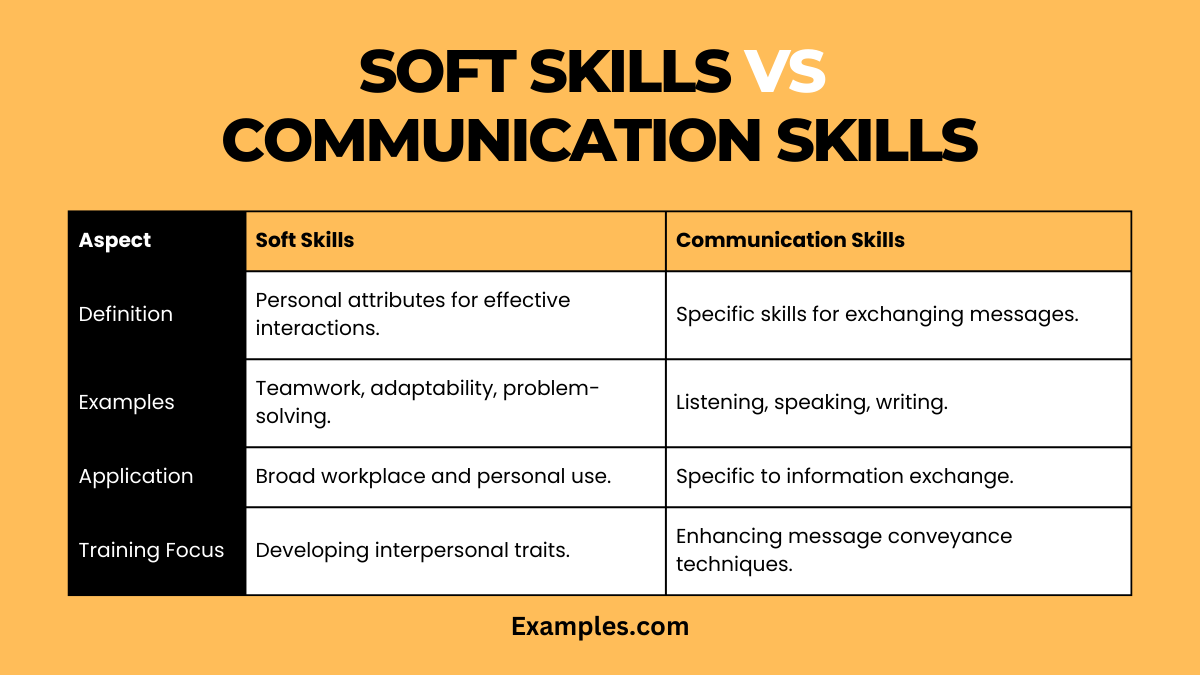
In today’s dynamic work environment, soft skills have emerged as a vital component of career success. While hard skills like technical expertise and proficiency in specific tools are essential, soft skills facilitate the interpersonal interactions that underpin workplace relationships and overall team dynamics. Mastering these skills not only enhances individual performance but also contributes to a harmonious and productive workplace atmosphere.Soft skills, which encompass traits such as communication, empathy, teamwork, and problem-solving, play a crucial role in fostering successful workplace relationships.
Strong interpersonal skills enable employees to build trust, collaborate effectively, and navigate conflicts with ease. For instance, professionals with excellent communication skills are often able to convey their ideas clearly, listen actively, and provide constructive feedback. This often leads to a more engaged workforce, where team members feel valued and understood, ultimately driving better organizational outcomes.
Influence of Soft Skills versus Hard Skills in Leadership Roles
In leadership positions, the impact of soft skills frequently outweighs that of hard skills. While technical knowledge is undoubtedly important, leaders must also inspire and motivate their teams. Effective leaders leverage their emotional intelligence to understand team dynamics, adapt their communication styles, and foster an inclusive environment. Research indicates that leaders who exhibit high levels of emotional intelligence and strong soft skills tend to achieve greater employee satisfaction and retention rates.
In contrast, leaders who rely solely on hard skills often struggle to connect with their teams, resulting in diminished morale and productivity.
Strategies for Developing and Honing Essential Soft Skills
Developing soft skills is a continuous process that can significantly enhance career advancement opportunities. Here are some effective strategies to refine these essential skills:
Engage in Active Listening
Practice giving full attention to speakers, understanding their message, and responding thoughtfully. This can strengthen communication and build rapport with colleagues.
Seek Feedback
Regularly ask for constructive feedback from peers and supervisors to identify areas for improvement and demonstrate a willingness to grow.
Participate in Team Activities
Engaging in team-building exercises or group projects can enhance collaboration skills and build stronger professional relationships.
Attend Workshops and Training
Enroll in workshops focused on public speaking, conflict resolution, or negotiation skills to gain insights and practice in a supportive setting.
Practice Empathy
Work on understanding others’ perspectives and emotions, which can improve relationships and foster a positive workplace culture.By actively working on these strategies, individuals can cultivate the soft skills necessary for navigating their careers successfully. These skills not only contribute to personal growth but also enhance the overall effectiveness of teams and organizations.
The Balance Between Hard Skills and Soft Skills
In today’s dynamic workplace, the integration of hard skills and soft skills is essential for achieving overall success. While hard skills refer to the technical abilities and knowledge required to perform specific tasks, soft skills encompass interpersonal qualities like communication, teamwork, and emotional intelligence. Striking a balance between these two skill sets can significantly enhance an individual’s performance and adaptability in various job functions.A balanced skill set is crucial as it prepares employees to tackle diverse challenges effectively.
Employers today are increasingly recognizing that hard skills alone are not sufficient. Employees must also be adept in soft skills to collaborate with colleagues, manage conflicts, and engage with clients. This combination fosters a productive work environment, drives innovation, and ultimately contributes to organizational success.
Comparison of Hard Skills and Soft Skills Benefits
To understand the impact of each skill set in different job functions, the following table Artikels the benefits of hard skills and soft skills across various roles:
| Job Function | Benefits of Hard Skills | Benefits of Soft Skills |
|---|---|---|
| Software Development | Technical proficiency in coding languages and software tools enhances productivity. | Collaboration and communication within teams facilitate successful project delivery. |
| Sales | In-depth product knowledge leads to effective presentations and pitches. | Strong interpersonal skills help in building and maintaining client relationships. |
| Project Management | Expertise in project management methodologies ensures timely and within-budget delivery. | Leadership and problem-solving abilities motivate teams and navigate challenges. |
| Human Resources | Understanding labor laws and HR software streamlines hiring processes. | Empathy and conflict resolution skills promote a positive workplace culture. |
| Marketing | Data analysis skills enhance campaign strategy and execution. | Creativity and communication boost brand messaging and audience engagement. |
Real-life scenarios demonstrate the efficacy of a balanced skill set. For instance, consider the case of a project manager at a tech firm who successfully led a diverse team on a complex project. Their technical expertise in project management software allowed for precise planning and tracking. However, it was their soft skills—such as active listening and conflict resolution—that fostered a collaborative atmosphere, enabling team members to share ideas freely and address concerns promptly.
This balance not only resulted in project completion ahead of schedule but also in higher team morale and engagement.Another example involves a sales representative who excelled in product knowledge but struggled with closing deals. By actively working on their communication and negotiation skills through workshops and peer practice, they transformed their approach. The result was a significant increase in sales performance, showcasing how enhancing soft skills can lead to improved outcomes even when hard skills are already strong.In summary, both hard skills and soft skills play pivotal roles in personal and professional development.
The interplay of these skills enables individuals to excel in their roles, adapt to changes, and contribute meaningfully to their organizations.
Assessing Your Skill Set
Assessing your skill set is a vital step in both personal and professional development. Understanding your hard and soft skills can help you identify areas for improvement, seek relevant opportunities, and align your career path with your strengths. A structured approach to self-assessment can clarify your capabilities and prepare you for feedback from others.One effective way to assess your skills is to follow a step-by-step guide that encompasses reflection, evaluation, and seeking external feedback.
This process not only helps you understand what you excel at but also pinpoints areas you might want to develop further.
Step-by-Step Guide to Self-Assessment
The following steps provide a structured approach to evaluate both your hard and soft skills effectively:
- Reflect on Your Experience: Consider your past roles, projects, and achievements. Make notes of specific tasks where you felt confident and those where you struggled.
- Identify Key Skills: Create two lists, one for hard skills (e.g., technical proficiencies, software knowledge) and another for soft skills (e.g., communication, teamwork).
- Use Self-Assessment Tools: Explore various online self-assessment tools and quizzes designed to evaluate your skill proficiency. Websites like LinkedIn Learning and Coursera provide frameworks for assessing skills.
- Compare Against Job Descriptions: Look at job postings that interest you and compare required skills with your lists. This will help you recognize any gaps.
- Set Improvement Goals: Based on your assessment, create SMART goals (Specific, Measurable, Achievable, Relevant, Time-bound) for developing your skills.
Tools and Resources for Self-Assessment
Utilizing available tools and resources can enhance your self-assessment process. These resources provide structured frameworks to understand your skill sets more deeply.
- Online Skill Assessment Platforms: Websites like 123test and MindTools offer comprehensive assessments for both soft and hard skills, delivering insights into your strengths and weaknesses.
- Career Development Books: Books such as “StrengthsFinder 2.0” by Tom Rath can help identify your core strengths and how to leverage them in your career.
- Professional Networking Platforms: LinkedIn allows users to take skill assessments and receive badges for proficiency, providing an interactive way to gauge your skills against industry standards.
Seeking Feedback from Peers and Supervisors
Feedback from colleagues and supervisors is invaluable in accurately assessing your skills. Here are some effective methods for gathering constructive feedback:
“Feedback is the breakfast of champions.” – Ken Blanchard
- Peer Reviews: Engage in peer review sessions where colleagues can provide insight into each other’s skills. This collaborative approach can yield more candid feedback.
- One-on-One Meetings: Schedule regular one-on-one meetings with your supervisor to discuss your performance and areas for improvement.
- 360-Degree Feedback: Implement a 360-degree feedback system if possible, where feedback is gathered from multiple sources, including peers, supervisors, and subordinates.
The Future of Skills in the Workplace
As the workplace evolves, the demand for both hard and soft skills continues to shift dramatically. With rapid advancements in technology and changing job landscapes, understanding these shifts is crucial for professionals aiming to remain relevant and competitive. This discussion dives into emerging trends that highlight the importance of both skill sets and how they are influenced by ongoing technological advancements.
Emerging Trends in Skills Demand
The future job market is increasingly valuing a blend of hard and soft skills. Hard skills—specific, teachable abilities like data analysis, coding, and technical proficiency—are foundational in many industries. Simultaneously, soft skills such as communication, teamwork, and adaptability are gaining importance as companies seek employees who can thrive in collaborative environments and navigate change effectively. A notable trend is the rise of interdisciplinary roles that require a combination of both skill sets.
For instance, a data analyst not only needs technical data interpretation skills but also strong communication skills to present findings to stakeholders. Companies are placing greater emphasis on hiring individuals who can demonstrate this versatility, as it allows for a more agile workforce capable of adapting to new challenges.
Impact of Automation and Technology
Automation and technology are reshaping the demand for specific skills across various sectors. Routine tasks that were once the domain of humans are increasingly being performed by AI and robotics, leading to a decline in demand for certain hard skills. However, this shift creates a need for higher-level skills that machines cannot replicate, particularly those involving complex problem-solving and emotional intelligence.For example, industries like manufacturing and finance have seen significant transformations.
In manufacturing, automation has enhanced production efficiency, but it has also led to the need for workers skilled in operating and maintaining these advanced technologies. In finance, while routine accounting tasks can be automated, the demand for financial analysts who can interpret data and provide strategic advice has surged.
Strategies for Continuous Learning and Adaptation
In an era where skills can quickly become obsolete, continuous learning and adaptation are essential for career longevity. Professionals must adopt proactive strategies to stay ahead. One effective approach is engaging in lifelong learning through various means, such as online courses, workshops, and professional development seminars. Additionally, networking and mentorship can play a vital role in skill enhancement. By connecting with industry professionals, individuals can gain insights into emerging trends and best practices.
Implementing a personal development plan that includes specific, measurable goals can further guide individuals in their learning journeys.Organizations also bear a responsibility in fostering a culture of continuous improvement. By investing in training programs and encouraging employees to pursue learning opportunities, companies can build a more skilled and adaptable workforce.
“Continuous learning is the minimum requirement for success in any field.”
By embracing a mindset of growth and adaptability, both individuals and organizations can navigate the future landscape of skills in the workplace.

Hi, I’m Lauren. As a digital enthusiast and storyteller, I love breaking down complex ideas into easy-to-read articles. My goal is to provide readers with fresh perspectives and helpful solutions through every piece I write.