Career Switch is more than just a phrase; it signifies a pivotal moment in many people’s lives. Whether driven by personal fulfillment, the pursuit of passion, or the quest for better opportunities, switching careers can open doors to exciting new paths. Each individual has their own unique motivations for making this change, often rooted in personal stories and emotional journeys.
Understanding the reasons behind a career switch can not only clarify one’s own motives but also inspire others who might be contemplating a similar leap.





This transition involves a thorough exploration of one’s skills, interests, and goals. From assessing what drives us to mapping our existing abilities to new roles, the journey requires thoughtful planning and a proactive approach. It’s essential to embrace the challenges along the way, as they can lead to growth and resilience. Each step taken toward a new career can illuminate a clearer vision of one’s professional identity and aspirations.
Discuss the motivations behind a career switch and how they vary from person to person.

In today’s rapidly changing job market, the reasons behind a career switch can be as varied as the individuals making the change. Some people seek new opportunities for growth, while others are driven by dissatisfaction or a desire to pursue their passions. Understanding these motivations is crucial, as it sheds light on the personal and professional factors that influence career decisions.Individuals consider a multitude of reasons when deciding to change their career paths.
For some, it stems from a lack of fulfillment in their current roles. This might be illustrated by someone like Sarah, who spent ten years in corporate finance but found herself increasingly unmotivated. The repetitive nature of her work led her to explore her interest in graphic design, where she felt she could express her creativity. On the other hand, a person like John might switch due to external circumstances, such as the company he worked for downsizing.
He took this as a chance to pursue a long-held dream of becoming a high school teacher, valuing the stability and fulfillment teaching brought him.Moreover, financial considerations often play a significant role in the decision to switch careers. Individuals may find themselves at a point in their lives where they seek greater financial stability or the potential for higher earnings.
For instance, Lisa was working as a nonprofit administrator but realized that tech roles offered her not only higher pay but also opportunities for advancement. This realization prompted her to take coding classes, eventually landing a role as a software developer.
Emotional and psychological factors are also significant in the decision-making process.
Factors such as burnout, the need for a better work-life balance, or the desire to align work with personal values can heavily influence one’s choice. A well-known example is that of Alex, who shifted from a high-stress law career to becoming a yoga instructor. The emotional toll of his previous job led him to seek a career that allowed him to prioritize his mental well-being and promote the same for others.Overall, motivations for a career switch are deeply personal and can be influenced by a mix of practical, emotional, and psychological factors.
Each journey is unique, shaped by individual experiences, aspirations, and life circumstances.
Identify the key steps to successfully execute a career switch.
Making a career switch can be both an exciting and daunting endeavor. It often involves reevaluating your current skills, interests, and goals, and then aligning them with a new career path that resonates with your passions. This step-by-step guide Artikels key actions to help you navigate this transition smoothly and effectively.
Assessing Personal Skills and Interests
Understanding your personal strengths, skills, and interests is crucial for a successful career switch. This assessment ensures that your new career aligns with what you enjoy and excel at. Here are a few methods to effectively evaluate your capabilities and passions:
- Self-Reflection: Take time to reflect on your previous work experiences. What tasks did you enjoy the most? What skills did you find yourself naturally excelling in? Consider journaling your thoughts to clarify your feelings about your current career and future aspirations.
- Skill Inventory: Create a list of your transferable skills. These can include communication, teamwork, problem-solving, and technical abilities. Compare this list against the requirements of potential new careers to identify overlaps.
- Personality Assessments: Utilize tools such as the Myers-Briggs Type Indicator (MBTI) or the Strong Interest Inventory to gain insights into your personality type and how it aligns with various careers.
- Informational Interviews: Reach out to professionals in fields of interest. Conducting informational interviews can provide you with firsthand knowledge about the skills needed and what the day-to-day work looks like.
Setting Clear Goals and Timelines
Establishing clear, actionable goals and timelines is vital for a successful career transition. This approach helps to maintain focus and motivation throughout the process. Below are steps to effectively set and manage your goals:
- Define Your Vision: Start by envisioning where you want to be in one, three, and five years. This long-term perspective will guide your short-term goals.
- SMART Goals: Formulate your goals using the SMART criteria—Specific, Measurable, Achievable, Relevant, and Time-bound. For example, instead of saying “I want a new job,” specify “I want to secure a position as a project manager in the tech industry within six months.”
- Create Milestones: Break your goals into smaller milestones with deadlines. This could include completing a new certification, updating your resume, or attending networking events.
- Review and Adjust: Regularly check your progress towards these goals. Be open to adjusting your plans based on new information or experiences you encounter along the way.
“Success is the sum of small efforts, repeated day in and day out.”
Understanding these key steps empowers you to take control of your career switch, ensuring it aligns with your passions and goals while providing a structured plan to navigate this pivotal change.
Elaborate on the skills that are transferable between different careers and how to identify them.

In today’s dynamic job market, the ability to switch careers is becoming increasingly common. Many individuals find themselves in positions where they need to pivot their professional paths due to various reasons such as industry changes, personal interests, or job availability. Understanding transferable skills is crucial in making this transition as seamless as possible. These are skills that can be applied across various fields and roles, allowing individuals to leverage their existing capabilities in new contexts.Identifying transferable skills begins with a thorough self-assessment of current proficiencies and experiences.
One effective method is to create a skills inventory, which involves listing out all the skills acquired in previous jobs, educational experiences, and personal pursuits. These can be categorized into hard skills, which are specific and teachable abilities, and soft skills, which relate to one’s personality and interpersonal interactions. Once this list is compiled, it can be cross-referenced with job descriptions in the desired career field to highlight areas of alignment.
Common Transferable Skills Across Industries
Transferable skills are invaluable as they bridge the gap between different professions and industries. Here are some common transferable skills and how they manifest in various sectors:
- Communication: The ability to convey information clearly is vital in any job. For instance, a marketing professional may use communication skills to develop campaigns, while a teacher employs these skills to ensure students understand the material.
- Problem-Solving: This skill allows individuals to identify issues and implement solutions. An IT specialist troubleshooting a software issue uses problem-solving skills similarly to a project manager addressing scheduling conflicts within a team.
- Teamwork: Working effectively in groups is essential across all fields. A nurse collaborates with doctors to provide patient care, just as a software developer works with fellow coders to build a cohesive application.
- Time Management: The ability to prioritize tasks and manage time efficiently is crucial in high-paced environments. A sales executive balancing multiple client meetings employs time management skills similarly to an event planner organizing various aspects of an event.
- Adaptability: Being open to change and accommodating new circumstances is important in rapidly evolving industries. A journalist covering breaking news must adapt quickly, much like a customer service representative adjusting to new policies or technologies.
Highlighting transferable skills can significantly enhance job applications. When crafting a resume, it’s essential to incorporate these skills prominently, tailoring them to align with the job description. Using specific examples in cover letters or during interviews can also provide concrete evidence of how these skills have been applied in past roles. For instance, discussing a successful project that required communication and teamwork can illustrate an applicant’s capability effectively.
“Highlighting transferable skills not only showcases versatility but also demonstrates a proactive approach to career development.”
Create a comprehensive overview of the potential challenges faced during a career switch.
Transitioning to a new career can be both exhilarating and daunting. While the prospect of exploring uncharted territories in professional life can spark enthusiasm, it is also accompanied by numerous challenges that individuals must navigate. Understanding these hurdles is crucial for anyone contemplating a career switch, as awareness can alleviate anxiety and aid in strategic planning.Several common challenges arise when individuals embark on a journey to change careers.
These hurdles can range from external factors, such as the job market and industry demands, to internal struggles like self-doubt and fear of the unknown. Recognizing these potential obstacles will empower individuals to address them head-on, fostering a smoother transition into their new path.
Common fears and concerns during career transitions
Many individuals experience a variety of fears when considering a career switch. These fears often stem from uncertainty about their skills and how they will be perceived in a new field. To better understand these concerns, it’s essential to identify some prevalent fears:
- Fear of Failure: The thought of not succeeding in a new role can be paralyzing. Individuals might worry about their ability to adapt or meet new expectations.
- Fear of Financial Instability: Transitioning to a new career may come with a temporary loss of income or decreased job security, creating financial anxiety.
- Imposter Syndrome: Newcomers may feel like frauds, doubting their qualifications and fearing exposure as someone unworthy of the new role.
Addressing these fears involves proactive strategies. Building a support network of friends, mentors, or peers can provide encouragement and reassurance. Additionally, conducting thorough research about the new field can enhance confidence.
Strategies for building resilience and maintaining motivation
Maintaining motivation throughout a career switch requires resilience and determination. Cultivating these qualities can help individuals stay focused on their goals, even amidst challenges. Here are some effective strategies:
- Set Achievable Goals: Break down the career transition into manageable, concrete goals. This helps in tracking progress and celebrating small victories.
- Embrace Continuous Learning: Engage in continuous education through courses, workshops, or certifications relevant to the new career.
- Practice Self-Compassion: Allow for mistakes and recognize that setbacks are part of the learning process. This mindset helps in maintaining a positive outlook.
“Resilience is not about never failing, but about rising every time you fall.”
By employing these strategies, individuals can bolster their resilience and sustain motivation, ultimately carving a successful path through their career transition.
Design a personal branding strategy that supports a successful career switch.
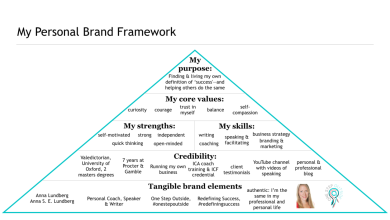
A strong personal branding strategy is essential when making a career switch. It serves as your public persona, showcasing your skills, experiences, and values in a way that resonates with your new industry. To create an impactful personal brand, you need to focus on key elements that establish your credibility and authority in the new field while differentiating you from others.
A strong personal brand encompasses clarity, consistency, and authenticity. Firstly, clarity involves understanding your unique value proposition—what you bring to the table that sets you apart. Identify your strengths, skills, and experiences relevant to the new industry and articulate them concisely. Consistency ensures that your messaging aligns across all platforms, from your resume to social media profiles. Authenticity reflects your true self and values, which helps build trust with your audience.
Updating social media profiles and professional networks
Updating your social media profiles and professional networks to reflect your desired career is a critical step in your personal branding strategy. This process not only helps you present yourself effectively but also attracts the right connections and opportunities. Start by reviewing your current profiles. Remove outdated information or experiences that no longer align with your career goals. Next, incorporate s relevant to your new industry into your professional summary and job descriptions.
This makes it easier for recruiters and professionals in the field to find you. For LinkedIn, ensure your headline reflects your new career aspirations, and consider joining relevant groups to expand your network.Additionally, engage with industry content by liking, sharing, and commenting on posts. This not only demonstrates your interest but also positions you as an active participant in the field.
Consider publishing articles or posts sharing insights or experiences relevant to your new career. Networking plays a crucial role in the transition to a new field. Building relationships with professionals who are already established in the industry can provide invaluable insights and support. Attend industry-specific events, webinars, or meetups to connect with others. Leverage platforms like LinkedIn to reach out to professionals for informational interviews, where you can learn more about their career paths and gather advice.
“Your network is your net worth. Build relationships that can propel your career forward.”
By approaching networking with a mindset of curiosity and a genuine desire to learn, you can create meaningful connections that may lead to new opportunities in your new career.
Share insights on how to leverage education and training during a career switch.
In today’s rapidly changing job market, education and training play a pivotal role in facilitating career transitions. For individuals looking to switch careers, the right educational opportunities can help bridge the skills gap and provide a competitive edge. Leveraging education not only enhances one’s resume but also instills confidence in new professional endeavors. The landscape of further education offers a variety of options that can cater to different needs and schedules.
Certification programs, workshops, and online courses present unique opportunities for skill development and knowledge acquisition. With the rise of digital learning platforms, individuals can access a wealth of resources from the comfort of their homes, allowing for a flexible approach to education.
Options for Further Education
When considering further education for a career switch, it’s essential to explore diverse learning opportunities. Each option has its strengths and might suit different learning styles or professional goals. Here are some effective options:
- Certifications: Many industries value certifications from recognized bodies. For example, Project Management Professional (PMP) certification can significantly benefit those transitioning into project management roles.
- Workshops: Short workshops focused on specific skills can be highly beneficial. For instance, a coding bootcamp can provide intensive training for individuals moving into tech roles.
- Online Courses: Platforms like Coursera or Udemy offer a wide range of courses across various fields. A marketing professional might take an course to stay relevant in the digital landscape.
“Investing in education can serve as your launching pad when transitioning into a new career.”
Individuals have often found success by strategically utilizing these educational paths. For instance, a former teacher transitioning to a corporate training role took a series of workshops in adult learning principles, significantly enhancing her job prospects. Another example is a healthcare worker who pursued an online certification in health informatics to secure a position in a growing tech-oriented healthcare environment.
The selection of educational opportunities should align with industry demands to ensure relevance. Researching job trends and skill requirements is critical. For instance, as artificial intelligence becomes more prevalent, courses in data analytics and machine learning are increasingly sought after. By aligning education with market needs, individuals can better position themselves for successful transitions and long-term career growth.
Compare the impact of mentorship and support systems on a successful career switch.

Making a career switch can be one of the most challenging yet rewarding decisions in one’s professional life. During this transition, the significance of mentorship and supportive environments cannot be overstated. Mentorship provides guidance, expertise, and encouragement, while support systems help to create a safety net that can alleviate stress and foster growth. Together, these elements can drastically enhance the likelihood of a successful career transition.
Benefits of Seeking Mentorship During a Transition
Having a mentor during a career switch can be transformative. Mentors can offer valuable insights into the new industry, help clarify goals, and provide constructive feedback. They also serve as role models, demonstrating how to navigate challenges and celebrate successes. Mentorship can speed up the learning curve by sharing insider knowledge and facilitating networking opportunities.To find the right mentor, consider the following strategies:
- Identify your goals: Clearly Artikel what you hope to achieve in your career transition, which will help you find someone aligned with your aspirations.
- Network actively: Attend industry events, workshops, or webinars to meet potential mentors. Engaging in professional communities can lead to valuable connections.
- Utilize online platforms: Websites like LinkedIn and professional forums can connect you with experienced individuals willing to offer guidance.
- Seek mutual benefits: Approach potential mentors with the idea of a mutually beneficial relationship, where both parties can learn and grow.
Role of Support Systems in Career Changes
Support systems, including family, friends, and colleagues, play a crucial role in making a career switch more manageable. They provide emotional support, encouragement, and practical assistance during a time of uncertainty. Stories abound of individuals who faced skepticism or doubt from their surroundings but found strength in their support networks to push through. For instance, consider Sarah, who left her stable job in finance to pursue a passion for graphic design.
Initially apprehensive, she received encouragement from her partner and friends, who helped her create a portfolio and even brainstormed ideas for her first client. Their unwavering belief in her abilities helped Sarah take the leap, ultimately leading to a successful freelance career.To cultivate a supportive environment that fosters professional growth, consider these key aspects:
- Open communication: Discuss your career aspirations with those close to you, ensuring they understand your goals and the changes you want to make.
- Create accountability: Share your plans with trusted individuals who can provide motivation and hold you accountable for your progress.
- Encourage feedback: Make it easy for your support system to provide constructive feedback, which can help you refine your approach and grow.
- Celebrate milestones: Acknowledge and celebrate small wins with your support network, reinforcing positivity and momentum during your transition.
“Having the right mentor and a solid support system can turn the daunting process of a career switch into a fulfilling and empowering journey.”
Demonstrate the importance of patience and perseverance in making a successful career switch.
Making a career switch is often a journey filled with excitement and uncertainty. It’s essential to recognize that this transition does not happen overnight; it requires a steadfast commitment to the process. Patience is a vital component that allows individuals to navigate the complexities and challenges that arise during this significant change. Patience plays a crucial role in the transition process as it enables individuals to face setbacks and learn from their experiences without becoming discouraged.
One must accept that growth takes time and that each step, whether forward or back, is part of the overall journey. The initial stages of a career switch may involve acquiring new skills, networking, and even starting from a lower position than one is accustomed to. A patient mindset allows one to appreciate these stages as necessary for long-term success rather than viewing them as obstacles.
Strategies for maintaining a positive mindset and staying focused on long-term career goals
Staying focused on long-term goals during a career transition can be challenging, but several strategies can help maintain a positive outlook. First, establishing clear, achievable milestones can provide a sense of direction and accomplishment. Break the larger goal into smaller, manageable tasks, and celebrate each small victory along the way. Additionally, surrounding oneself with a supportive network can be incredibly beneficial.
Seek out mentors, friends, or support groups that understand the journey and can offer encouragement or advice. This connection to others can serve as a reminder that one is not alone in this process. Maintaining a journal to document thoughts and feelings during this time can also be a powerful tool. Reflect on progress made, lessons learned, and personal growth achieved.
When setbacks occur, which they often do, it is essential to approach them with resilience.
“Setbacks are simply opportunities to learn and grow.”
It’s important to reframe negative experiences as learning moments. Instead of viewing a failed interview or a missed opportunity as defeat, consider what can be learned from the experience and how it can be applied moving forward. This perspective shift can transform feelings of discouragement into motivation to persist, reinforcing the importance of patience and perseverance in the transition process.

Hi, I’m Lauren. As a digital enthusiast and storyteller, I love breaking down complex ideas into easy-to-read articles. My goal is to provide readers with fresh perspectives and helpful solutions through every piece I write.