Career Path has become a pivotal element in shaping both our professional and personal lives, offering a structured route to navigate the complexities of the modern workforce. It’s not just about the roles we take on, but how these positions align with our aspirations and values, ultimately influencing our development and satisfaction. Understanding the nuances of career paths can empower individuals to make informed decisions and pursue fulfilling careers.
Different industries present unique pathways, reflecting varied demands and expectations. For instance, the technology sector often emphasizes continuous learning and adaptability, while traditional fields such as education may focus more on long-term stability and growth. Misconceptions abound, such as the belief that a linear path is the only way to succeed, when in reality, many find fulfillment through diverse experiences and lateral moves.





Understanding the Concept of Career Path
A career path is essentially the trajectory of an individual’s professional journey, encompassing the various roles, experiences, and opportunities encountered over time. It serves as a roadmap for personal and professional development, guiding individuals toward their long-term career goals. Understanding one’s career path is crucial, as it allows for strategic planning, skill development, and the ability to adapt to changes in the job market.
A well-defined career path not only enhances job satisfaction but also fosters motivation and a sense of purpose in one’s work life.Career paths can significantly vary across different industries and professions, shaped by unique demands and opportunities. For instance, in the technology sector, a software engineer may begin as a junior developer, advance to a senior developer role, and eventually transition into a managerial position or specialize in a niche area like artificial intelligence or cybersecurity.
In contrast, the healthcare industry offers a different trajectory, where a nurse might start as a registered nurse, gain further qualifications to become a nurse practitioner, and then potentially move into administrative roles or specialized healthcare fields. This diversity emphasizes how career paths are not one-size-fits-all; they are influenced by industry standards, personal interests, and educational opportunities.Common misconceptions about career paths can lead to confusion and frustration among professionals.
One prevalent myth is that there is a singular, linear path to success. In reality, career paths can be non-linear, with many individuals experiencing lateral moves, changes in industries, or even complete career shifts. Another misconception is that formal education alone guarantees career advancement. While education is important, practical experience, networking, and soft skills often play a crucial role in shaping one’s career trajectory.
Additionally, some may believe that a career path is fixed; however, it is essential to recognize that career development is a dynamic process that evolves with personal growth and market changes.
“A career path is not just a series of jobs; it’s a journey of growth and transformation.”
The Stages of Career Development
Career development is a dynamic process that encompasses various stages, each with its unique challenges and opportunities. Understanding these stages helps individuals navigate their professional journeys effectively, ensuring they are prepared for the transitions ahead. From the initial exploration of career options to ongoing advancements, each phase plays a critical role in shaping one’s career trajectory.The career development process can generally be divided into five key stages: exploration, establishment, mid-career, late career, and decline.
Each stage represents a unique phase in an individual’s career, characterized by specific activities, goals, and transitions. Recognizing these stages aids individuals in identifying where they currently stand in their careers and what steps they need to take to progress.
Overview of Career Development Stages
To better understand the stages of career development, here’s a detailed comparison of each stage:
| Stage | Key Characteristics | Focus Areas | Examples |
|---|---|---|---|
| Exploration | Self-assessment, career options research, skill development | Identifying interests, values, and skills | Internships, volunteer work, informational interviews |
| Establishment | Entry-level positions, gaining experience, establishing a professional identity | Networking, skill application, performance improvement | First job in chosen field, professional development courses |
| Mid-Career | Advancement opportunities, greater responsibilities, mentoring | Leadership development, specialization, career transitions | Promotion to management, pursuing advanced degrees, industry leadership positions |
| Late Career | Consolidation of experience, potential retirement planning | Legacy building, mentoring others, strategic decision-making | Consulting, teaching, volunteering in professional organizations |
| Decline | Transitioning out of full-time work, retirement considerations | Reflecting on career, pursuing hobbies, part-time work | Retirement parties, working as a freelancer, engaging in community services |
In the exploration stage, individuals focus on self-discovery and career options. This involves activities like internships and informational interviews, helping them understand various professions and what aligns with their interests and skills. During the establishment stage, individuals typically secure their first job and begin to build their professional identity while actively networking and enhancing their skill sets.As individuals enter the mid-career stage, the focus shifts to advancement opportunities.
They may take on new responsibilities, seek promotions, or specialize in certain areas of their field. It’s a time for personal growth and leadership development. The late career stage often involves consolidating one’s experiences and possibly mentoring younger professionals, reflecting on their contributions to the industry.Finally, in the decline stage, individuals start transitioning toward retirement, where they may consider part-time work or volunteer opportunities to stay engaged.
This phase emphasizes reflection on one’s career and the legacies they wish to leave behind. Each stage presents unique experiences and focuses, ultimately guiding individuals through a fulfilling career path.
Factors Influencing Career Choices

Making career choices is a complex process influenced by a multitude of factors, both internal and external. Understanding these influences is crucial for anyone navigating their career path, as they shape not only the options available but also the decisions made. Internal factors can include personal interests, values, and skills, while external factors often involve societal expectations, economic conditions, and family influences.
The interplay between personal interests, values, and skills is significant when it comes to shaping one’s career path. Personal interests drive individuals toward certain fields where they can find fulfillment and satisfaction. For example, someone with a passion for technology might gravitate towards careers in IT or software development. Values play a critical role as well; individuals often seek careers that align with their ethical beliefs and what they deem important, such as helping others or contributing to environmental sustainability.
Skills are the practical tools individuals possess, making it essential to consider what one is good at when choosing a career. Combining interests, values, and skills leads to more informed and satisfying career choices.
Societal Influences on Career Choices
Several societal factors can exert significant influence on career decisions. Recognizing these influences is essential for understanding how external conditions shape individual career choices. Below are key societal influences that can affect career paths:
- Family Expectations: Family often has strong opinions about what careers are suitable, which can pressure individuals to follow certain paths, sometimes against their personal desires.
- Economic Conditions: The state of the economy can dictate job availability in certain sectors, leading individuals to choose careers based on market demand rather than passion.
- Educational Attainment: Societal norms may emphasize the importance of specific educational qualifications, steering individuals toward careers that require advanced degrees.
- Peer Influence: Friends and social circles can impact career choices through shared interests or collective aspirations, sometimes swaying decisions based on group dynamics.
- Cultural Norms: Cultural backgrounds can shape expectations regarding career choices, influencing what professions are viewed as prestigious or appropriate.
- Job Market Trends: Emerging industries or declining sectors can significantly sway career decisions, as individuals seek stability and growth in their professional lives.
The Role of Education and Training in Career Advancement
Education and training are critical components that significantly influence career advancement and professional growth. They provide individuals with the necessary skills, knowledge, and qualifications to excel in their chosen fields. In today’s competitive job market, having the right educational background can set candidates apart, enhancing their employability and opening doors to higher-level positions. Education and training equip individuals with both foundational knowledge and specialized expertise that are essential for career progression.
For instance, a bachelor’s degree is often a minimum requirement for many professions, while advanced degrees and certifications can lead to opportunities for leadership roles or specialized positions within various industries. Continuous professional development through workshops, seminars, and online courses further contributes to career growth by keeping individuals updated on the latest trends and best practices relevant to their fields.
This lifelong learning approach ensures that professionals remain competitive and can adapt to evolving industry demands.
Examples of Education Paths Aligned with Career Fields
Various career fields require different educational pathways, and understanding these can help individuals align their studies with their career ambitions. Below are some examples that illustrate the relationship between education and specific career opportunities:
- Healthcare: Many roles, such as doctors and nurses, require extensive education, including medical degrees or nursing diplomas. Ongoing training through residencies or specialized certifications also plays a pivotal role in career advancement in this field.
- Information Technology: Degrees in computer science or information technology are often essential for roles in software development or cybersecurity. Additionally, certifications from recognized organizations (like Cisco or CompTIA) enhance job prospects and career growth.
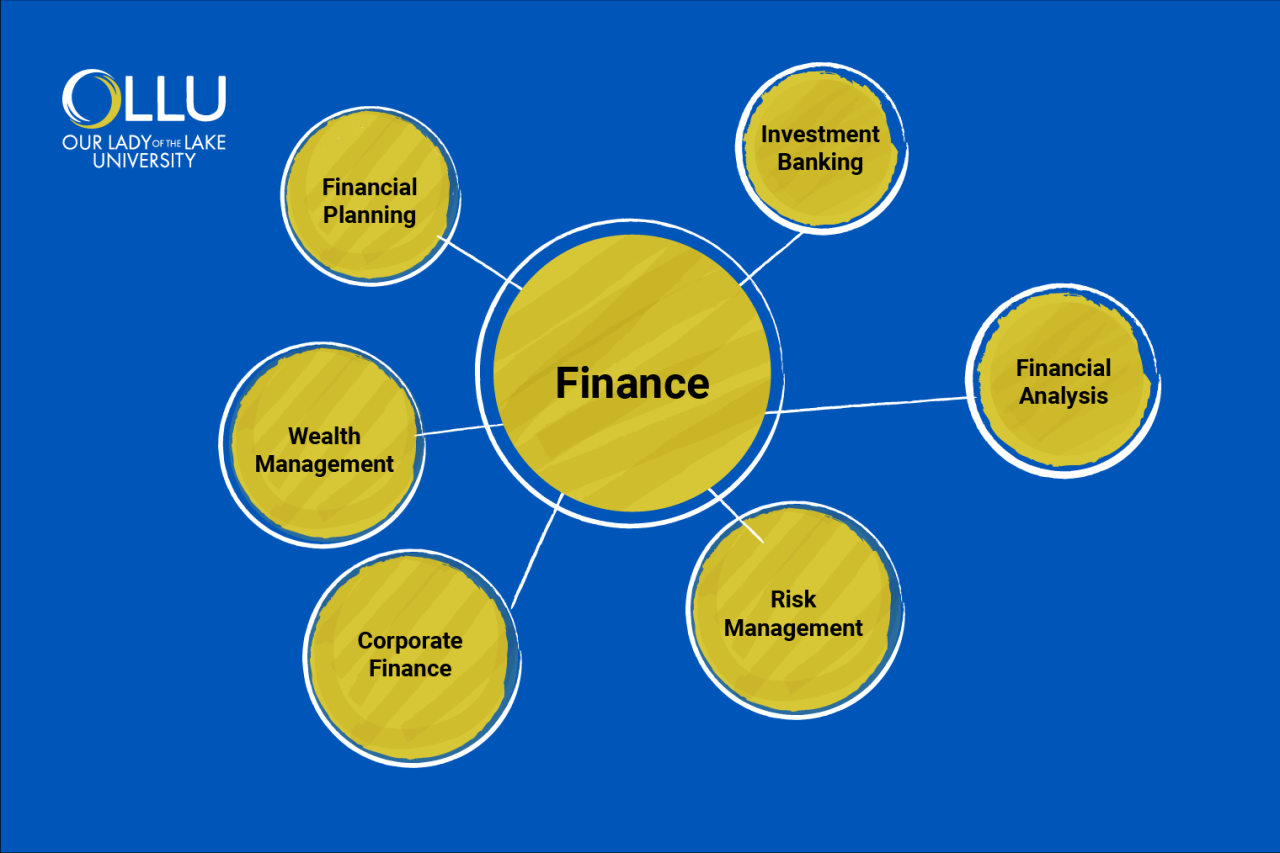
- Finance: A bachelor’s degree in finance or accounting is common for entry-level positions, while an MBA or certifications like CFA (Chartered Financial Analyst) can lead to senior roles such as financial manager or investment banker.
- Education: Teachers typically require a bachelor’s degree in education, while advanced degrees and specialized training can open up opportunities for administrative roles or specialized teaching positions.
The correlation between educational attainment and career opportunities is evident and can be depicted in the following table:
| Education Level | Typical Career Opportunities | Average Salary Range |
|---|---|---|
| High School Diploma | Entry-Level Positions (e.g., Retail, Administrative Assistant) | $25,000 – $40,000 |
| Associate Degree | Technical Roles (e.g., Paralegal, IT Support) | $35,000 – $55,000 |
| Bachelor’s Degree | Professional Positions (e.g., Marketing Manager, Nurse) | $50,000 – $80,000 |
| Master’s Degree | Advanced Roles (e.g., Data Scientist, MBA Executive) | $70,000 – $120,000 |
| Doctorate Degree | Research and Academic Positions (e.g., University Professor, Research Scientist) | $80,000 – $150,000+ |
Education is not just about degrees; it’s about building a skill set that empowers you to seize new opportunities and overcome challenges in your career.
Career Path Strategies for Different Demographics
In today’s diverse workforce, understanding the unique career path strategies for different demographics is crucial for both individuals and organizations. Millennials and baby boomers, for instance, each face distinctive challenges and opportunities in their career journeys. By recognizing these differences, one can develop tailored strategies that enhance career planning and progression for each group.The career paths of millennials and baby boomers are shaped by their respective life experiences, cultural contexts, and technological advancements.
Millennials, often characterized by their adaptability and tech-savviness, tend to prioritize work-life balance and meaningful work over traditional job security. In contrast, baby boomers often value loyalty and stability, having been shaped by economic conditions that favored long-term employment with a single employer. These generational differences influence their approaches to career advancement and professional development.
Challenges in Career Journeys
Both demographics encounter specific challenges in their career paths, impacting their progression and satisfaction. Millennials frequently grapple with issues such as job market volatility, student debt burdens, and a lack of experience. This generation often finds themselves in entry-level roles that do not utilize their skills fully, leading to frustration and high turnover rates.On the other hand, baby boomers face challenges related to workforce ageism and the need for continual skill enhancement.
They may struggle with adapting to new technologies and workplace cultures that favor flexibility and innovation. As they approach retirement age, concerns about financial security and the adequacy of retirement savings also weigh heavily on this demographic.To effectively navigate these challenges, tailored career planning strategies are essential. Below are best practices for each demographic that can aid in successful career progression.
Best Practices for Millennials
For millennials, establishing a fulfilling career requires proactive planning and continuous learning. Here are some strategies designed specifically for them:
- Embrace networking: Building connections can lead to opportunities that might not be advertised.
- Invest in skill development: Taking courses or attending workshops can help stay relevant in a fast-changing job market.
- Prioritize work-life balance: Seek employers who promote a healthy work-life integration and offer flexibility.
- Seek mentorship: Finding a mentor can provide guidance and open doors to career advancement.
- Utilize digital tools: Leverage technology and social media for job searching and professional branding.
Best Practices for Baby Boomers
For baby boomers, focusing on adaptability and continuous growth is vital for career longevity. Here are some best practices tailored for them:
- Engage in lifelong learning: Continuous education is crucial to remain competitive and updated on industry trends.
- Leverage experience: Use past experiences to mentor younger employees or take on consulting roles.
- Stay tech-savvy: Embrace new technologies to improve efficiency and stay relevant in modern workplaces.
- Network strategically: Maintain relationships with former colleagues and industry professionals for potential opportunities.
- Plan for retirement: Develop a clear strategy for financial security to ease the transition into retirement.
Ultimately, understanding the distinct career path strategies for millennials and baby boomers is essential for fostering a diverse and effective workforce. By addressing the unique challenges each demographic faces, tailored strategies can significantly improve career satisfaction and success.
Navigating Career Transitions
Transitioning between career paths can often feel daunting, yet it is a crucial part of professional growth. With industries evolving rapidly and job markets fluctuating, the ability to adapt and pivot your career trajectory is more important than ever. Embracing change not only opens new opportunities but also fosters personal development and resilience in the face of uncertainty.Adaptability plays a key role in successfully managing career transitions.
It is not just about shifting from one job to another; it entails a proactive approach to learning and updating skills relevant to the new path. Being adaptable means staying open to new possibilities and ready to embrace challenges. This mindset allows one to navigate the complexities of career changes with confidence. Networking becomes essential during this phase, as establishing connections can provide support and guidance.
Engaging with professionals in your desired field can lead to mentorship opportunities, job leads, and invaluable insights. Additionally, acquiring new skills through courses, workshops, or self-study can enhance your qualifications and make you a more attractive candidate in your new career.Understanding the reasons behind career transitions can provide clarity and a strategic approach. Below is a table outlining common reasons for career changes along with tips on how to handle each situation:
| Reason for Transition | Tips for Handling the Situation |
|---|---|
| Desire for Growth | Seek opportunities for professional development, such as training and certifications that align with your new career goals. |
| Job Dissatisfaction | Reflect on what aspects of your current role are unfulfilling and look for positions that align more closely with your values and interests. |
| Industry Changes | Stay informed about industry trends and consider how your skills can be applied in emerging fields. |
| Relocation | Research job markets in your new area and leverage remote work options if available. |
| Work-Life Balance | Prioritize roles that offer flexibility and align with your lifestyle needs. |
Embracing change is not just about altering your career path; it is about nurturing a mindset that thrives on learning and growth.
Leveraging Networking and Mentorship
Networking and mentorship are vital components of professional growth and development. They serve as the backbone for building strong career paths, exposing individuals to opportunities, knowledge, and support that can significantly influence their trajectories. Engaging with the right people can open doors to new possibilities, provide guidance through challenges, and cultivate essential skills that are often not taught in formal education settings.Networking involves creating and nurturing meaningful relationships within one’s industry or field.
It is about connecting with professionals who can share insights, offer advice, or even refer you to potential job opportunities. Mentorship, on the other hand, is a more focused relationship where experienced individuals guide those who are earlier in their career. This bond helps mentees navigate their professional landscape while benefiting mentors by fostering a sense of fulfillment in giving back to their community.
Strategies for Building a Professional Network and Finding Mentors
Establishing a robust professional network and finding suitable mentors requires a strategic approach. Here are some effective strategies:
- Attend industry conferences and seminars to meet like-minded professionals and thought leaders.
- Join professional associations or organizations relevant to your field for networking events and resources.
- Utilize social media platforms like LinkedIn to connect with industry professionals and engage in discussions.
- Seek out networking events hosted by local business chambers or meetups to expand your reach.
- Volunteer for committees or projects within your organization to showcase your skills and meet influential colleagues.
Additionally, when searching for mentors, consider the following approaches:
- Identify potential mentors in your workplace or industry who have qualities you admire.
- Schedule informational interviews to learn about their career journeys and seek advice.
- Participate in mentorship programs offered by professional organizations or educational institutions.
To understand the various platforms and opportunities available for career growth, consider the following:
- LinkedIn – A leading professional networking site that allows for connecting with industry peers.
- Meetup – An excellent platform for finding local networking events and groups.
- Industry-specific conferences – Gatherings that provide opportunities to meet leaders and peers.
- Professional associations – Organizations that often host networking events and mentorship programs.
- Webinars and online workshops – Virtual events that connect professionals across geographies.
“Your network is your net worth.” This phrase highlights the importance of building strong relationships in fostering career success.
Technology’s Impact on Career Development
As technology continues to advance at an unprecedented pace, it fundamentally reshapes career paths and job markets. Gone are the days when career choices were limited to a few conventional routes. Today, the landscape is dynamic and ever-evolving, forcing professionals to adapt to new roles and industries that arise as technology progresses. This transformation is fueled by innovations such as artificial intelligence (AI), automation, and remote work tools, which are not only changing how we work but also what jobs are available.The rapid infusion of technology into various sectors has led to the emergence of new roles that did not exist a decade ago.
For instance, positions like data scientists, social media managers, and cybersecurity specialists have become vital as businesses strive to leverage data and protect their digital assets. Conversely, certain jobs, particularly those that involve repetitive manual tasks, are diminishing due to automation. According to a report by the World Economic Forum, it is estimated that by 2025, 85 million jobs may be displaced by the shift in labor between humans and machines, while 97 million new roles tailored to the new division of labor could emerge.
This paradigm shift emphasizes the necessity for professionals to stay informed and adaptable in their career journeys.
Importance of Digital Skills in Today’s Career Landscape
In this tech-driven world, possessing digital skills has become essential for career advancement. Employers are increasingly prioritizing candidates who are not only proficient in their primary field but also have a strong grasp of digital tools and platforms. The ability to navigate software, understand data analysis, and utilize online communication tools has become a baseline requirement in many job descriptions.
The demand for digital literacy is pervasive across industries, from healthcare to marketing, illustrating its universal importance.Acquiring these skills can be approached through various means. Online platforms such as Coursera, Udemy, and LinkedIn Learning offer a plethora of courses tailored to different skill levels, covering everything from basic computer literacy to advanced programming. Additionally, participating in webinars, workshops, and networking events can provide hands-on experience and valuable insights into industry-specific technologies.
Engaging in practical projects, such as internships or freelance work, can further enhance one’s digital competency by applying theoretical knowledge to real-world scenarios.
Comparison of Traditional versus Tech-driven Career Paths
Understanding the differences between traditional and tech-driven career paths can help individuals make informed decisions about their professional futures. Below is a comparison table that highlights key distinctions:
| Aspect | Traditional Career Paths | Tech-driven Career Paths |
|---|---|---|
| Job Stability | Often perceived as stable, with less frequent changes. | More dynamic; roles can evolve rapidly with technology changes. |
| Skill Requirements | Focus on specific hard skills related to the field. | Emphasis on a blend of technical and soft skills, including adaptability. |
| Work Environment | Typically office-based, with fixed hours. | Often remote or hybrid, with flexible working hours. |
| Career Progression | Linear progression through established hierarchies. | Non-linear paths; opportunities for lateral moves and cross-functional roles. |
| Job Roles | Stable roles with clear definitions. | Emerging roles with fluid definitions, often requiring continuous learning. |
This table exemplifies the substantial shifts occurring in the job market as technology continues to influence career development. As the demand for tech-savvy professionals increases, understanding these dynamics is crucial for anyone looking to thrive in their chosen field.
The Future of Career Paths
As we navigate through an ever-evolving job landscape, various emerging trends are expected to significantly influence future career paths. Technological advancements, societal changes, and evolving work environments are reshaping the way we view and approach careers. With a growing focus on flexibility and adaptability, it is essential to recognize how these trends will redefine traditional career trajectories.The implications of remote work and the gig economy are profound, leading to a shift in how people engage with their careers.
Remote work has become a staple for many organizations, providing employees with the flexibility to work from anywhere. This has resulted in a broader talent pool for companies and has also encouraged individuals to seek out projects that align more closely with their interests rather than being tethered to a single employer. Consequently, workers are increasingly taking on freelance roles or “gig” jobs, which often lead to a more diversified skill set but can also create uncertainty around income stability and benefits.
Industries Predicted to Grow and Necessary Skills
Several industries are expected to experience significant growth in the coming years, driven by technological advancements and changing consumer demands. Understanding these trends is crucial for those seeking to align their career paths with future opportunities. The following list highlights key industries poised for growth, along with the essential skills needed to thrive within them:
- Healthcare: With an aging population and increased emphasis on health and wellness, there is a growing demand for healthcare professionals. Skills in telemedicine, patient management software, and data analysis are increasingly valuable.
- Technology: As industries embrace digital transformation, skills in artificial intelligence, machine learning, cybersecurity, and software development are crucial.
- Renewable Energy: The shift towards sustainability is driving growth in this sector. Skills in solar technology, wind energy systems, and energy efficiency are in high demand.
- E-commerce: The rise of online shopping necessitates skills in digital marketing, supply chain management, and customer experience optimization.
- Education Technology: The evolution of online learning platforms requires expertise in instructional design, e-learning software, and educational analytics.
“The careers of the future will demand a flexible approach to skill acquisition and a proactive mindset towards continuous learning.”
These trends illustrate how the landscape of career paths is shifting, emphasizing the need for adaptability and a commitment to lifelong learning. As professionals look to the future, recognizing these emerging industries and the associated skill sets can provide a roadmap for navigating their career journeys.

Hi, I’m Lauren. As a digital enthusiast and storyteller, I love breaking down complex ideas into easy-to-read articles. My goal is to provide readers with fresh perspectives and helpful solutions through every piece I write.